You’ve probably invested in professional teeth whitening and love the results, but now you’re wondering if it’s worth doing again.
Many people ask this same question after their bright smile starts to fade. The good news is that you can safely repeat professional whitening treatments, and doing so can help you maintain the confident smile you want.
Professional teeth whitening typically lasts six months to two years, and most dentists recommend repeating the treatment once or twice a year to maintain results.
How often you’ll need touch-ups depends on your habits and lifestyle. If you drink coffee or wine regularly or use tobacco products, you’ll likely need more frequent treatments than someone who avoids these staining substances.
The decision to repeat professional teeth whitening involves weighing the benefits against the costs and potential side effects.
Understanding how the process works, what results you can expect, and how to care for your teeth between treatments will help you make the right choice for your smile and budget.
Key Takeaways
- Professional whitening results last six months to two years and can be safely repeated once or twice yearly
- The longevity of your whitening depends on your diet, oral hygiene, and lifestyle habits like smoking or drinking coffee
- Proper maintenance between treatments helps extend results and reduces how often you need professional whitening
Table of Content
- How Professional Teeth Whitening Works
- Expected Results and Longevity
- Comparing Professional and At-Home Whitening Options
- Risks, Sensitivity, and Safety
- Cost Considerations and Value
- Maintaining a Whiter Smile After Treatment
- Frequently Asked Questions
How Professional Teeth Whitening Works
Professional whitening treatments use stronger bleaching agents than store products and come in two main forms: quick in-office sessions at your dental office or custom-fitted trays you use at home over several weeks.
In-Office Whitening Explained
When you visit a dental office for in-office whitening, the process typically takes 60 to 90 minutes. Your dental professional starts by cleaning your teeth and protecting your gums with a special barrier or rubber dam.
The dentist then applies a high-concentration hydrogen peroxide gel directly to your teeth using a syringe. This bleaching agent stays on your teeth for 15 to 30 minutes at a time.
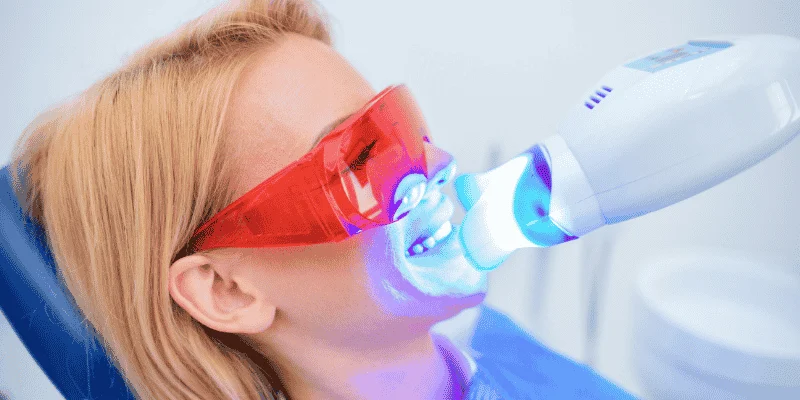
Some professional whitening methods combine the gel with LED, UV, or halogen light to speed up the whitening process. The light sits right outside your mouth and may help the hydrogen peroxide work faster.
After treatment, your dentist may apply fluoride to reduce any tooth sensitivity you might feel.
You’ll need to avoid brightly colored foods, coffee, and red wine for at least 24 hours after your appointment. Your teeth are dehydrated right after whitening, which makes them more likely to stain.
Custom Take-Home Whitening Kits
Take-home whitening kits from your dentist work differently than in-office treatments. Your dental professional makes an impression of your teeth to create custom trays that fit your mouth perfectly.
These whitening trays come with carbamide peroxide gel instead of hydrogen peroxide. The gel concentration ranges from 10% to 38% carbamide peroxide.
You fill your custom-fitted trays with the whitening gel and wear them for 2 to 10 hours daily.
Treatment with take-home whitening kits usually lasts up to 28 days. The custom trays fit snugly around each tooth, which helps the bleaching agent reach every surface without touching your gums.
You can reuse these trays for up to three to five years by ordering more whitening gel from your dentist for touch-ups.
Bleaching Agents and Technology
Both hydrogen peroxide and carbamide peroxide are the main bleaching agents used in cosmetic dentistry. These chemicals break down stains at a molecular level using oxygen molecules.
Key differences between bleaching agents:
| Agent | Concentration | Where Used | Speed |
| Hydrogen peroxide | 15-40% | In-office whitening | Fast (same day) |
| Carbamide peroxide | 10-38% | Custom trays at home | Slower (weeks) |
Hydrogen peroxide works faster but requires professional application because it can burn your gums.
The carbamide peroxide gel in at-home whitening products is gentler and breaks down into hydrogen peroxide over time.
Professional bleaching uses much stronger concentrations than over-the-counter products, which is why whitening treatments from a dental professional deliver better results.
Expected Results and Longevity
Professional teeth whitening delivers noticeable shade improvements that typically last between 6 months and 3 years, depending on your habits and maintenance routine.
Understanding what to expect helps you decide if repeat treatments fit your goals and budget.
Shade Improvement and Bright Smile
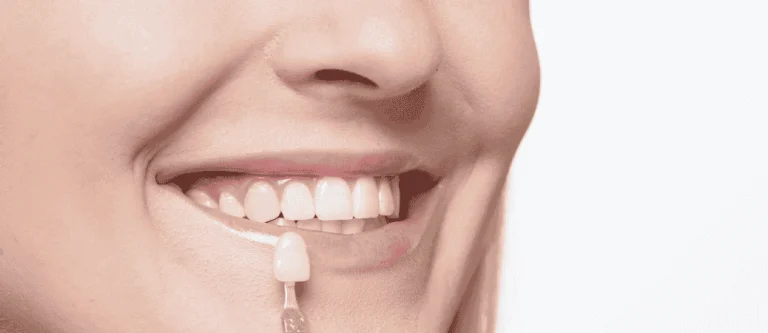
Most people see their teeth become 3 to 8 shades lighter after a single teeth whitening treatment. Dentists use a shade guide to measure your starting point and track your progress throughout the process.
The treatment works by breaking down surface stains and extrinsic stains on your tooth enamel. These are the discolorations from foods, drinks, and tobacco that build up over time.
Your results appear most dramatic right after the appointment. Within the first two weeks, the brightness may soften slightly as your teeth rehydrate. This is normal and doesn’t mean the treatment failed.
What you can expect:
- Immediate visible whitening
- Teeth that look 3-8 shades lighter
- Removal of yellow and brown staining
- A brighter, more youthful appearance
Duration of Results After Each Treatment
Professional teeth whitening results typically last 12 to 24 months for most patients. Some people maintain their whiter smile for up to 3 years, while others notice fading within 6 months.
The initial brightness right after treatment often softens within the first few weeks as your teeth return to a more natural tone. This doesn’t mean your whitening is gone—just less intense than day one.
Repeat treatments usually require less intensive sessions. Your teeth respond faster since you’re maintaining results rather than removing years of buildup.
Many dentists recommend touch-up appointments every 12 to 18 months.
Factors Affecting Longevity
Your daily habits play the biggest role in how long your cosmetic dental treatments last. What you eat, drink, and how you care for your teeth directly impacts your results.
Diet and lifestyle choices that shorten results:
- Coffee, tea, and red wine consumption
- Dark-colored foods like berries and tomato sauce
- Smoking or tobacco use
- Poor brushing and flossing habits
What helps maintain long-lasting results:
- Drinking staining beverages through a straw
- Rinsing your mouth after meals
- Brushing twice daily with whitening toothpaste
- Getting regular dental cleanings every 6 months
Your natural tooth composition also matters. Some people’s enamel holds whiteness better than others. Teeth bleaching works best on yellow tones and has less effect on gray discoloration.
Comparing Professional and At-Home Whitening Options
Professional treatments use stronger bleaching agents under dental supervision, while at-home products offer convenience with lower concentrations of whitening ingredients.
The key differences lie in the strength of peroxide used, how quickly you see results, and how long those results last.
Over-the-Counter Whitening Products
Over-the-counter whitening products are available at drugstores and online without needing a dental visit. These include whitening toothpaste, mouthwashes, gels, and pens that you can start using right away.
Whitening toothpaste works through mild abrasives and low levels of bleaching agents to remove surface stains from your daily coffee or tea.
However, these products only lighten teeth by about one shade and work mainly on the outer layer of enamel.
Most over-the-counter whitening options contain 3-10% hydrogen peroxide, which is much weaker than what dentists use. You’ll need to use these products daily for several weeks to notice any change.
The results typically fade within 3-6 months, requiring you to keep buying and applying the products regularly.
Custom Whitening Kits vs. Whitening Strips
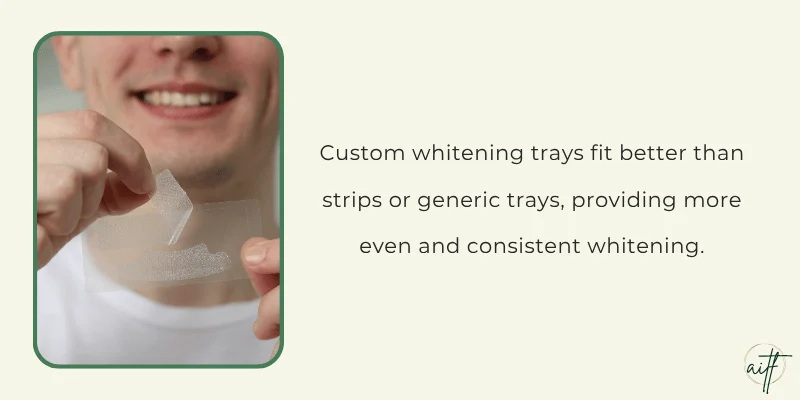
Whitening strips are thin, flexible pieces of plastic coated with whitening gel that stick to your teeth. Popular whitening strips like Crest Whitestrips need to be worn for 30 minutes daily over several weeks.
The main problem with strips is that they don’t fit everyone’s teeth the same way. They can miss spots between teeth or along the gum line, leading to uneven whitening.
Custom trays from your dentist fit your teeth exactly because they’re made from molds of your mouth. These take-home whitening kits use professional-strength gel that’s stronger than store-bought options but weaker than in-office treatments.
Generic whitening kits with one-size-fits-all trays rarely fit properly. The trays can slip around, cause the gel to leak onto your gums, or leave gaps that result in patchy whitening.
Effectiveness for Surface and Intrinsic Stains
At-home whitening products work best on extrinsic stains that sit on the tooth’s surface. These are the yellow or brown stains from coffee, wine, berries, and smoking that build up over time.
Professional teeth bleaching penetrates deeper into the tooth structure to address both surface stains and discoloration within the enamel.
Whitening treatments at the dentist reach deeper layers of staining that at-home options simply can’t touch.
If you have intrinsic stains from medications, aging, or tooth trauma, at-home products will likely disappoint you.
These deeper stains require the stronger peroxide concentrations that only professional treatments can safely provide. Your dentist can assess what type of staining you have and recommend the most effective approach.
Risks, Sensitivity, and Safety
Professional teeth whitening is generally safe when done correctly, but you should know about tooth sensitivity, gum irritation, and how to protect yourself during treatment.
Understanding these risks helps you prepare and respond properly if issues come up.
Tooth Sensitivity After Whitening
Tooth sensitivity is the most common side effect you’ll experience after professional whitening. The bleaching agents used in treatment can temporarily make your teeth more sensitive to hot and cold temperatures.
This happens because the whitening chemicals penetrate your enamel and reach the inner layers of your tooth. The sensitivity usually lasts a few days to a week after treatment.
You can manage this discomfort with desensitizing toothpaste before and after your whitening appointment. Many dentists recommend starting these toothpastes two weeks before treatment.
Desensitizing treatments applied at the dental office can also help.
These treatments contain ingredients like potassium nitrate or fluoride that block pain signals from your tooth surface to the nerve. If your sensitivity doesn’t go away after a week or becomes severe, contact your dentist right away.
Gum Irritation and How to Prevent It
Gum irritation or burns can occur when bleaching agents touch your soft tissues during treatment. Your gums might turn white temporarily or feel sore for a day or two.
Professional treatments minimize this risk because your dentist uses protective barriers on your gums. These barriers keep the whitening gel on your teeth only.
At-home treatments carry a higher risk of gum irritation if you overfill trays or use them incorrectly. Always follow the exact instructions your dentist gives you.
Ways to protect your gums:
- Never exceed the recommended treatment time
- Wipe away any gel that touches your gums immediately
- Use custom-fitted trays instead of one-size-fits-all strips
- Stop treatment if you notice burning or extreme discomfort
Best Practices for Safe Whitening
Professional treatments follow strict protocols that balance results with safety. Your dental hygienist will check your teeth and gums before starting any whitening procedure.
Good oral hygiene makes whitening safer and more effective. Brush twice daily and floss once daily to keep your teeth and gums healthy between treatments.
Space out your whitening sessions properly. Most dentists recommend waiting at least six months between professional treatments to give your enamel time to recover.
Key safety practices:
- Get a dental cleaning exam before whitening to check for cavities or gum disease
- Follow your dentist’s recommended waiting period between treatments
- Maintain regular oral hygiene habits
- Avoid overusing whitening products, which can damage enamel
- Report any lasting sensitivity or pain to your dentist
Your dentist can adjust the whitening formula strength based on your sensitivity level. Lower concentration treatments take longer but cause less discomfort.
Cost Considerations and Value
Professional teeth whitening typically ranges from $300 to $1,800 per treatment, depending on the method you choose.
Understanding these costs and how to maintain your results helps you decide if retreating is worth the expense.
Professional Teeth Whitening Cost Breakdown
Professional teeth whitening cost varies based on the type of treatment your dental office offers. Laser whitening is the most expensive option at around $1,000 per session.
This cosmetic dental procedure uses concentrated bleaching agents and advanced technology to deliver fast results.
LED treatments like Zoom WhiteSpeed cost approximately $400 on average. These sessions take about 45 minutes and can brighten your teeth up to eight shades.
Zoom QuickPro offers a more budget-friendly option at a lower price point for a 30-minute visit.
Take-home kits with custom-fitted trays from your dentist fall in the middle range. These professional-grade kits cost between $300 and $600 and include stronger bleaching agents than over-the-counter products.
Your location affects pricing too. Dental offices in major cities typically charge more than those in smaller towns.
Is the Investment Worth It?
The value depends on how long your results last and how often you need retreatment. Professional whitening can maintain brightness for years with proper care, making the investment cost-effective long-term.
You get several advantages over drugstore products. Your dentist checks your teeth first to ensure you don’t have issues like decay or gum disease that could cause problems.
The stronger bleaching agents work faster and more effectively than anything you can buy at a pharmacy.
Custom-fitted trays ensure even coverage and prevent gel from irritating your gums. Your dentist also controls the treatment intensity to avoid damaging your enamel or existing dental restoration work.
If you have crowns, veneers, or fillings, professional supervision becomes even more important. These materials don’t respond to whitening agents the same way natural teeth do.
Maintaining Results and Avoiding Repeat Expenses
Proper care extends your results and reduces how often you need retreatment for teeth whitening. Avoiding staining foods and drinks like coffee, red wine, and dark sodas helps preserve your brightness.
Brush twice daily with whitening toothpaste and floss regularly. This removes surface stains before they set in. Using a straw for dark beverages limits contact with your front teeth.
Some dental offices offer touch-up kits with custom-fitted trays you already own. Refill gel costs much less than a full treatment, usually under $50.
Quick touch-ups every six to twelve months keep your smile bright without paying for complete retreatment.
Smoking causes rapid discoloration and shortens whitening results significantly. Quitting tobacco protects your investment and overall oral health.
Regular dental cleanings remove buildup that dulls your teeth. Schedule appointments every six months to maintain your professional whitening results longer.
Maintaining a Whiter Smile After Treatment
Your results from professional whitening can last months or even years with proper care. Good oral hygiene habits and smart food choices play the biggest role in how long your newly brightened smile stays white.
Oral Hygiene and Aftercare Tips
Brushing twice daily and flossing once a day form the foundation of keeping your teeth white. Use a soft-bristled toothbrush and fluoride toothpaste to protect your enamel while removing surface debris.
Whitening toothpaste can help maintain your results between professional treatments by gently polishing away new stains. Look for products with mild abrasives that won’t damage your tooth enamel.
If your dental professional provided custom trays, use them as directed for touch-up treatments. These trays fit your teeth perfectly and deliver whitening gel evenly across all surfaces.
Rinsing with water after meals helps wash away food particles that could stain. An antibacterial mouthwash also kills germs and keeps your breath fresh while protecting against plaque buildup that can cause discoloration.
Foods and Habits to Avoid

Coffee, tea, and red wine are major culprits when it comes to staining your teeth. Wait at least 48 hours after whitening before consuming these beverages.
Common staining foods to limit:
- Berries and berry-based sauces
- Tomato sauce
- Dark sodas
- Soy sauce
- Balsamic vinegar
Using a straw when drinking colored beverages reduces contact with your front teeth. Smoking or using tobacco products causes some of the worst tooth discoloration and should be avoided completely.
Crunchy fruits and vegetables like apples, celery, and carrots actually help remove stains naturally. They scrub your teeth while you chew and increase saliva production, which washes away food particles.
When to Consider Repeat Treatments
Schedule professional cleanings every 6-12 months to remove tartar buildup that brushing can’t eliminate. Your dental professional can assess whether you need touch-up whitening during these visits.
Most people benefit from repeat whitening treatments every 6 to 12 months depending on their habits and lifestyle.
If you drink coffee daily or consume other staining foods regularly, you might need touch-ups more frequently.
Notice your teeth starting to look dingy or yellowed again? That’s a good sign it’s time to talk with your dental professional about another treatment.
They can provide take-home custom trays for convenient touch-ups or schedule an in-office session for more dramatic results.
Frequently Asked Questions
Most people want to know how often they can safely whiten their teeth and whether repeated treatments will cause problems. Understanding the timing, risks, and maintenance strategies helps you make smart decisions about your dental care.
How often can I safely get my teeth whitened by a dentist?
You should typically wait 12 to 18 months between full professional whitening treatments. This gives your enamel time to recover and reduces the risk of sensitivity or damage.
Some dentists may approve a minimum wait time of six months under certain conditions. However, the one-year interval remains the standard recommendation for most patients.
Your dentist can give you personalized advice based on your enamel health and whitening history. They will consider your specific needs during your regular dental visits.
How long do professional whitening results usually last?
Professional teeth whitening typically lasts 1 to 3 years depending on your habits and lifestyle. The exact duration varies from person to person.
Your diet plays a big role in how long your results last. If you drink coffee, tea, or red wine regularly, your teeth may stain faster than someone who avoids these beverages.
Smoking also affects how long your whitening lasts. Touch-up treatments can help extend your results between full whitening sessions.
Will repeating whitening make my teeth more sensitive over time?
Repeating whitening treatments too often can increase tooth sensitivity. The bleaching agents temporarily change your tooth structure, which may make your teeth react more to hot and cold temperatures.
You might notice heightened sensitivity if you whiten too frequently. This happens because the chemicals penetrate your enamel and can irritate the inner layers of your teeth.
Taking breaks between treatments helps reduce sensitivity problems. If you already have sensitive teeth, talk to your dentist before scheduling another whitening session.
Can repeated whitening damage enamel or irritate gums?
Repeating treatments too often can compromise enamel integrity and cause surface roughening. Overuse may also lead to decreased mineral density in your teeth.
Your gums can become dry or irritated from too much whitening. You might also notice your teeth looking overly translucent or uneven in color if you overdo it.
Following recommended wait times protects both your enamel and gums. Your dentist can check for any damage during regular appointments.
Is it better to do periodic touch-ups or a full whitening session again?
Touch-ups work well for maintaining your brightness between major treatments. They use lower concentrations of whitening agents and require less time than full sessions.
A full whitening session makes sense when you notice significant yellowing or staining. Professional at-home whitening kits can maintain results for about six months with periodic use.
Your lifestyle and staining habits will determine which option is better for you. Someone who drinks coffee daily might need touch-ups more often than someone who avoids staining foods.
What habits can help keep my teeth brighter for longer between treatments?
Avoiding staining foods and drinks helps your whitening results last longer. Coffee, tea, red wine, berries, and dark sauces can all discolor your teeth over time.
Brushing twice daily with non-abrasive toothpaste protects your enamel. Having your teeth professionally cleaned every 6 months removes surface stains and maintains your brightness.
Using a straw when drinking staining beverages reduces contact with your front teeth. Rinsing your mouth with water after meals also helps prevent stains from setting in.
Quitting smoking is one of the best things you can do for your whitening results. Tobacco causes stubborn stains that come back quickly even after professional treatment.