You want whiter teeth, but you’re not sure whether to visit your dentist or try products at home. Both options can lighten your teeth, but they work differently and give different results.
Professional whitening treatments typically use stronger concentrations of hydrogen peroxide or carbamide peroxide, which brings faster and more dramatic results than at-home products.
A single 30-minute visit to your dentist can make your teeth several shades whiter, while at-home products may give results that last for a few months.
The choice between professional and at-home whitening depends on your budget, timeline, and how much whiter you want your teeth to be. Understanding the key differences will help you pick the best option for your needs and goals.
Key Takeaways
- Professional treatments work faster and last longer but cost more than at-home options
- At-home whitening is cheaper and more convenient but gives slower, less dramatic results
- Both methods are safe when used correctly, though professional treatments have less risk of misuse
Table of Content
- Key Differences Between Professional and At-Home Teeth Whitening
- Effectiveness and Results
- Safety, Sensitivity, and Potential Side Effects
- Overview of Common Teeth Whitening Methods
- Convenience, Accessibility, and Cost Considerations
- Choosing the Right Teeth Whitening Option for You
- Frequently Asked Questions
Key Differences Between Professional and At-Home Teeth Whitening
Professional teeth whitening uses much stronger bleaching agents and delivers faster results under expert supervision. At-home options offer convenience and lower costs but require more time and provide less dramatic changes.
Strength of Whitening Agents
The biggest difference lies in the power of the bleaching agents used. Professional whitening treatments use stronger concentrations of hydrogen peroxide or carbamide peroxide than what you can buy for home use.
Professional treatments contain 15% to 43% peroxide concentration. This high strength allows your dentist to achieve dramatic whitening in a single visit.
At-home products typically contain much weaker solutions. Over-the-counter products and dentist-supervised at-home products usually contain about 10% to 22% peroxide concentration.
The stronger the solution, the more careful timing becomes. Professional-grade whitening agents work faster but must be applied precisely to avoid tooth damage or sensitivity.
Speed of Results
Professional treatments deliver the fastest results possible. In-office bleaching takes about one hour to complete, and you can see immediate changes.
Your dentist can make teeth generally get three to eight shades brighter in just one or two visits. Some systems like Zoom can whiten your teeth in a single 2-hour appointment.
At-home whitening requires much more patience. Most take-home whitening treatments require 30- to 60-minute daily treatments for up to six weeks.
Whitening strips and gels need daily use for 10 to 14 days. Even then, they typically lighten teeth by only one or two shades.
Level of Supervision
Professional whitening means you have a dental expert monitoring the entire process. Your dentist protects your gums with special barriers and watches for any problems during treatment.
This supervision allows for immediate adjustments if you experience sensitivity. Your dentist can also use heat or light to speed up the whitening process safely.
With at-home whitening, you handle everything yourself. While this gives you control over timing and frequency, it also means more risk of user error.
Common at-home mistakes include:
- Leaving products on too long
- Using treatments too frequently
- Not protecting gums properly
- Continuing treatment despite sensitivity
Degree of Customization
In-office whitening offers the highest level of customization for your specific needs. Your dental professional examines your teeth first and creates a treatment plan based on your tooth color and sensitivity level.
Professional treatments can target specific problem areas. Your dentist adjusts the concentration and application time based on how your teeth respond during the session.
Custom trays from your dentist provide better customization than store-bought options. These fit your mouth perfectly and distribute whitening gel evenly across all teeth.
Over-the-counter products take a one-size-fits-all approach. Whitening strips may not cover all your teeth properly, especially if you have crooked or oddly shaped teeth.
Store-bought whitening trays rarely fit as well as custom ones. Poor fit can lead to uneven whitening results and gel leaking onto your gums.
Effectiveness and Results
Professional treatments typically deliver more dramatic whitening results than at-home options, with differences in both the types of stains removed and how long results last. The strength of bleaching agents and treatment methods directly impact the final outcome you can expect.
Types of Stains Removed
Professional teeth whitening uses stronger bleaching solutions that can tackle both surface stains and deeper discoloration more effectively than at-home options. In-office systems contain 15% to 43% peroxide, while at-home products typically range from 3% to 20%.
Surface stains from coffee, tea, wine, and tobacco respond well to both professional and at-home treatments. These extrinsic stains sit on your tooth’s outer layer and are easier to remove.
Stubborn stains and intrinsic tooth discoloration require stronger treatment. Professional whitening can address:
- Age-related yellowing
- Medication-induced discoloration
- Fluorosis stains
- Deep-set stains from years of staining substances
Tooth bleaching works best on yellow teeth and is less effective on brown teeth. Gray or purple discoloration may not respond to whitening at all, regardless of the method you choose.
Before and After: Result Differences
The dramatic difference between professional and at-home results becomes clear when comparing shade improvements. Professional treatments can make teeth three to eight shades brighter in just one to three visits.
At-home teeth whitening options produce more modest results:
- Whitening strips and gels: Lighten teeth by one to two shades
- Tray-based systems: Similar results to strips but may be slightly more effective
- Whitening toothpaste: Brightens teeth by about one shade
Professional treatments work faster too. Some dentists use techniques that can be completed in a single 2-hour appointment. At-home products require daily use for 10 to 14 days or longer to see noticeable changes.
Your smile transformation will be more noticeable with professional treatment, especially if you have significant tooth discoloration.
Longevity of Whitening Effects
Professional teeth whitening delivers longer-lasting results compared to at-home alternatives. Professional dental procedures may extend results up to 2-3 years, while at-home products last for a few months.
Several factors affect how long your whitening results will last:
- Treatment strength: Higher peroxide concentrations create more durable results
- Your habits: Coffee, wine, and smoking can shorten whitening effects
- Oral hygiene: Regular brushing and flossing help maintain your brighter smile
The stronger bleaching agents used in professional treatments penetrate deeper into your tooth enamel. This creates more permanent changes to the tooth structure compared to the surface-level effects of most teeth whitening options available for home use.
You’ll need touch-up treatments more frequently with at-home products to maintain your results.
Safety, Sensitivity, and Potential Side Effects
Both professional and at-home whitening treatments can cause temporary tooth sensitivity and gum irritation. Understanding these risks helps you choose the safest whitening method and protect your oral health during treatment.

Tooth Sensitivity Risks
Tooth sensitivity happens when whitening products penetrate your tooth enamel. The peroxide in whitening treatments can reach the inner layers of your teeth.
Professional treatments use stronger peroxide concentrations. This means sensitivity is common after bleaching, especially after LED tooth-whitening procedures. Some people feel more sensitivity during and after professional treatments.
At-home products typically cause less sensitivity. They contain lower peroxide levels, usually 3% to 20%. However, overuse of strips or gels can result in temporary sensitivity.
Sensitivity Risk Factors:
- Already having sensitive teeth
- Using products longer than directed
- Choosing high-concentration treatments
- Poor oral health before treatment
The sensitivity usually goes away within a few days. If you already have sensitive teeth, talk to your dentist before starting any whitening treatment.
Gum Irritation and Protection
Whitening products can irritate your gums if they touch the soft tissue. The two side effects that occur most often with teeth whitening are a temporary increase in tooth sensitivity and mild irritation of the soft tissues.
Professional treatments offer better gum protection. Dentists use barriers and custom trays to keep whitening gel away from your gums. They can also adjust the treatment if irritation occurs.
At-home treatments require more careful application. Whitening strips and trays can leak gel onto your gums. When used incorrectly, home kits can lead to burned gums.
Protection Tips:
- Apply products only to teeth surfaces
- Remove excess gel immediately
- Use custom trays when possible
- Stop treatment if gums become red or swollen
Choose products with lower peroxide levels if you have sensitive gums. Always follow the instructions exactly as written.
Impact on Tooth Enamel
Whitening treatments can affect your tooth enamel structure. Laboratory research suggests that aggressive whitening may cause temporary changes to enamel.
Professional treatments are generally safer for enamel. Dentists monitor the process and use appropriate concentrations. They can also apply fluoride treatments to strengthen enamel after whitening.
Overuse of at-home products poses higher enamel risks. Using treatments too often or for too long can weaken your teeth. Some early studies show risks like erosion and mineral loss from teeth.
Enamel Protection Factors:
- Following time limits exactly
- Using ADA-approved products only
- Taking breaks between treatments
- Maintaining good oral hygiene
Your enamel can recover from mild whitening effects. However, severe damage may be permanent.
Managing Enamel Damage
Prevention is the best approach to protecting your enamel. When done correctly, teeth whitening is generally safe. Following proper guidelines reduces your risk significantly.
Use fluoride toothpaste during and after whitening. Fluoride helps rebuild weakened enamel and reduces sensitivity. Wait at least 30 minutes after whitening before brushing your teeth.
Avoid acidic foods and drinks during treatment. Coffee, wine, and citrus can weaken already-stressed enamel. Drink through a straw when possible.
Recovery Steps:
- Use desensitizing toothpaste
- Apply fluoride treatments
- Avoid extreme temperatures
- Schedule dental checkups
Stop whitening immediately if you notice severe pain or enamel changes. Contact your dentist if sensitivity lasts more than a few days after treatment ends.
Overview of Common Teeth Whitening Methods
Teeth whitening options range from professional treatments that deliver fast results to convenient at-home products you can use daily. Professional procedures use stronger bleaching agents, while home options offer gentler whitening over longer periods.

In-Office Whitening Procedures
Professional teeth whitening gives you the fastest and most dramatic results. Your dentist uses high-concentration hydrogen peroxide or carbamide peroxide gels that aren’t available in store-bought products.
The treatment typically takes one to two hours. Your dentist applies a protective gel to your gums first. Then they coat your teeth with the whitening solution.
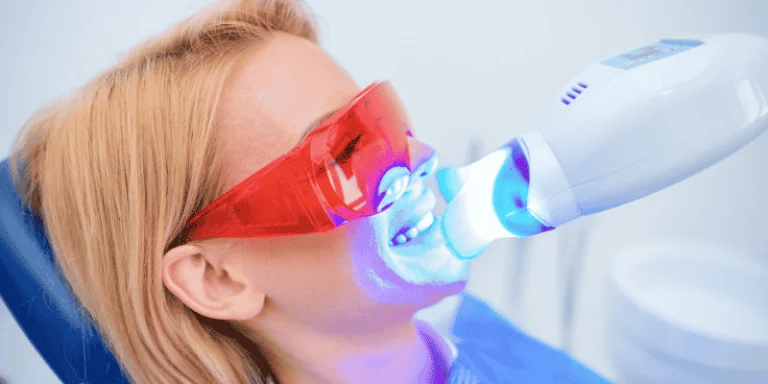
Many offices use LED lights to speed up the process. The light doesn’t whiten your teeth by itself, but it helps the bleaching agents work faster.
Benefits of professional whitening:
- Results visible in one session
- Can lighten teeth by 3-8 shades
- Safe application by trained professionals
- Custom treatment for your specific needs
Professional treatments cost more than home options. They typically range from $300 to $1,000 per session.
Over-the-Counter Whitening Products
You can find many teeth whitening products at drugstores and online. These products use lower concentrations of whitening ingredients than professional treatments.
Whitening strips are thin plastic strips coated with peroxide gel. You wear them for 30 minutes to 2 hours daily. Most strip treatments last 1-2 weeks.
Whitening toothpaste contains mild abrasives and small amounts of peroxide. You brush with it twice daily like regular toothpaste. Results take several weeks to months.
At-home whitening kits include LED lights and whitening gel. The LED speeds up the whitening process, similar to professional treatments.
| Product Type | Treatment Time | Results Timeline | Price Range |
| Whitening Strips | 30min-2hr daily | 1-2 weeks | $20-$50 |
| Whitening Toothpaste | 2min twice daily | 2-6 weeks | $5-$15 |
| Home Whitening Kits | 10-30min daily | 1-2 weeks | $25-$100 |
These products work well for surface stains from coffee, tea, and wine. They’re less effective on deep stains from medications or aging.
Looking for a brighter smile without the hassle? Contact our Evansville, INoffice for expert teeth whitening solutions today!
Custom Trays for Home Use
Your dentist can make custom trays that fit your teeth perfectly. These trays work with professional-strength whitening gel you use at home.
The process starts with impressions of your teeth. Your dentist creates plastic trays that match your mouth exactly. You fill the trays with whitening gel and wear them for a few hours daily.
Custom trays offer several advantages over one-size-fits-all products. They distribute the gel evenly across all your teeth. The snug fit prevents gel from leaking onto your gums.
Treatment typically takes 2-4 weeks of daily use. You can reuse the trays for touch-ups later by buying more gel from your dentist.
Custom tray benefits:
- Professional-strength gel (10-22% carbamide peroxide)
- Even whitening coverage
- Comfortable fit
- Reusable for maintenance
This option costs more than store-bought products but less than in-office treatments. Expect to pay $200-$500 for custom trays and initial gel supply.
Convenience, Accessibility, and Cost Considerations
The choice between professional and at-home teeth whitening often comes down to practical factors like time, money, and lifestyle. Professional treatments cost $500 to $1,000 while at-home options range from $10 to $600.
Time Commitment
Professional in-office whitening delivers results quickly but requires scheduled appointments. Most dramatic results take several 30- to 60-minute visits to your dentist’s office.
Some dentists offer single-visit treatments that take about 2 hours. You’ll need to block out this time during business hours when dental offices are open.
At-home teeth whitening treatments work around your schedule. Whitening strips and gels need daily application for 10 to 14 days.
Tray-based systems require 1 to several hours daily for up to 4 weeks. You can use these products while watching TV or doing other activities at home.
Ready for faster, more dramatic results? Book your professional teeth whitening session with our Evansville, IN experts today!
Budget and Price Range
In-office whitening costs significantly more than home treatments. Here’s what you can expect to pay:
Professional Treatments:
- Single visit: $500-$1,000
- Multiple sessions: Additional costs per visit
- Often not covered by dental insurance
At-Home Options:
- Whitening strips and gels: $10-$55
- Tray-based systems: $150-$600
- Whitening toothpastes: Under $10
- Whitening rinses: $5-$15
The lower upfront cost makes at-home teeth whitening more accessible for tight budgets. However, you may need multiple kits over time to maintain results.
Accessibility for Different Lifestyles
Your daily routine affects which whitening method works best for you. Busy professionals often prefer the quick results of in-office whitening despite the higher cost.
Parents and caregivers may find at-home treatments more practical. You can whiten your teeth while kids sleep or during quiet moments.
People in rural areas might have limited access to cosmetic dentistry. At-home products from pharmacies or online stores provide whitening options without travel.
Shift workers benefit from flexible at-home schedules. You don’t need to arrange time off work for dental appointments.
Those with dental anxiety often feel more comfortable using products at home. The familiar environment reduces stress compared to clinical settings.
Choosing the Right Teeth Whitening Option for You
Your goals, dental health, and lifestyle all play a role in deciding between professional and at-home whitening. Budget and time constraints also affect which option works best for your needs.
Assessing Your Goals and Expectations
Think about how much whiter you want your teeth to look. Professional teeth whitening can lighten your teeth by 3-8 shades in one visit.
At-home options typically lighten teeth by 1-3 shades over several weeks. If you want dramatic results quickly, professional treatments use stronger solutions than you can buy in stores.
Consider your timeline too. Do you have a wedding or important event coming up? Professional whitening gives you fast results in about one hour.
Home kits take 1-2 weeks to show noticeable changes. Results can be seen in a few days to two weeks depending on which method you choose.
Your budget matters as well. Professional treatments cost $300-800 per session. At-home strips and gels cost $20-100 and can be used multiple times.
Health and Dental History Factors
Your oral health affects which whitening option is safest for you. People with sensitive teeth should be extra careful with whitening products.
Professional whitening lets your dentist monitor your comfort level. They can adjust the treatment if you feel pain or sensitivity during the process.
Check with your dentist first if you have:
- Crowns or fillings in visible teeth
- Gum disease or inflammation
- Worn enamel or deep stains
- Previous sensitivity to whitening
Whitening only works on natural tooth enamel. It won’t change the color of crowns, veneers, or fillings. Your dentist can tell you if whitening will create uneven colors in your smile.
Some medications cause tooth staining that doesn’t respond well to whitening. Tetracycline stains often need professional treatment to see any improvement.
Maintaining Results After Whitening
Your oral hygiene routine determines how long whitening results last. Brush twice daily and floss regularly to prevent new stains from forming.
Professional whitening results typically last 1-3 years. At-home whitening may need touch-ups every 6-12 months to maintain the same brightness.
Avoid staining foods and drinks for the first 48 hours after whitening. Your teeth are more porous during this time and pick up stains easier.
Foods to limit include:
- Coffee and tea
- Red wine and dark sodas
- Berries and tomato sauce
- Soy sauce and balsamic vinegar
Using a straw helps minimize contact between dark liquids and your teeth. Rinse with water after eating staining foods when possible.
Regular dental cleanings every 6 months help remove surface stains before they set in. Your dentist can also provide touch-up treatments to keep your smile bright.
Frequently Asked Questions
What are the cost differences between in-office and at-home teeth whitening?
In-office whitening costs between $500 and $1,000 for complete treatment. This price covers the stronger bleaching solutions and professional supervision during your visits.
At-home options offer much more budget-friendly choices. Whitening strips and gels cost between $10 and $55 for a complete treatment cycle.
Tray-based systems fall in the middle range at $150 to $600. Custom trays from your dentist cost more than over-the-counter versions but provide better fit and results.
How long can I expect professional teeth whitening results to last?
Professional whitening results typically last longer than at-home treatments. In-office procedures are safe and long-lasting compared to other options.
Your daily habits affect how long results last. Coffee, tea, wine, and tobacco can cause stains to return more quickly.
Most people need touch-up treatments every 6 to 12 months. Good oral hygiene and avoiding staining foods help maintain your whiter smile longer.
What distinguishes professional teeth whitening procedures from DIY kits?
Professional treatments use much stronger bleaching solutions. In-office systems contain 15% to 43% peroxide while at-home products have only 3% to 20%.
Dentists can use heat and light to speed up the whitening process. This combination helps you achieve dramatic results in 30 to 60 minutes per visit.
Professional supervision means safer treatment and better results. Your dentist can adjust the treatment if you experience sensitivity or other issues.
What are the best at-home teeth whitening options currently available?
Whitening strips and gels work well for most people and cost $10 to $55. You apply them once or twice daily for 10 to 14 days.
Tray-based systems provide more even coverage than strips. You wear the trays for one to several hours daily for up to four weeks.
Whitening toothpastes offer the gentlest approach but only brighten teeth by about one shade. They work through mild abrasives rather than bleaching agents.
Can professional in-office whitening provide quicker results than home methods?
Yes, professional treatments work much faster than home methods. Teeth generally get three to eight shades brighter in just a few office visits.
Some dentists offer single-visit treatments that take about two hours. These procedures can dramatically whiten your teeth in one appointment.
At-home treatments take much longer to show results. Most require daily use for 10 days to four weeks depending on the product you choose.
Are there any risks associated with at-home teeth whitening compared to professional treatments?
At-home kits can lead to burned or temporarily bleached gums when used incorrectly. Without professional supervision, you might use too much product or leave it on too long.
Both methods can cause temporary tooth sensitivity. However, dentists can adjust treatment strength if you experience discomfort during professional procedures.
Professional treatments are highly effective and safe because trained professionals monitor the process. They can stop treatment immediately if problems occur.