When you want to improve your smile, knowing where to start can feel overwhelming. Should you whiten your teeth before getting veneers?
Does that chipped tooth need veneers before straightening? The good news is that dentists follow a clear order when planning cosmetic work.
The right sequence starts with health first, then fixes structural problems, and saves purely aesthetic improvements like whitening for last.
This approach protects your investment and makes sure each treatment builds on a solid foundation. Understanding the right treatment sequence helps you avoid redoing work or damaging new restorations.
Your specific plan depends on your unique dental situation.
Cosmetic dentistry includes many different treatments that can be customized to fit your goals and budget. This guide walks you through the planning process so you can work with your dentist to create the best timeline for your smile makeover.
Key Takeaways
- Address gum disease and decay before any cosmetic procedures to create a stable foundation
- Complete structural repairs like crowns and orthodontics before purely aesthetic treatments like whitening
- Work with your dentist to customize the treatment order based on your specific dental health and goals
Table of Content
- Assessing Oral Health Before Aesthetic Improvements
- Sequencing Treatments for Optimal Results
- Popular Cosmetic Options and Their Ideal Timing
- Personalizing Your Smile Makeover Plan
- Maintaining Your Smile After Cosmetic Dental Work
- Frequently Asked Questions
Assessing Oral Health Before Aesthetic Improvements
Your dentist needs to check your oral health before starting any cosmetic work. Problems like cavities, gum disease, and bite issues must be fixed first to make sure your cosmetic dental treatment lasts and looks good.
Why Start With Diagnosis
You might be ready to get veneers or whitening right away, but your dentist needs to look at the full picture first. A healthy mouth forms the foundation for successful cosmetic dentistry.
Your dentist will check for cavities, infections, and weak tooth structures during the exam.
Think of it like fixing a car. You wouldn’t paint over rust or add new parts to a broken engine. The same goes for your teeth.
Your dentist will take X-rays and photos to see what’s happening under the surface. They’ll check each tooth for decay and look at your gum health. This step helps avoid problems later when cosmetic work could fail or look unnatural.
Common issues that need treatment first include cavities, gum disease, infections, and weakened tooth structures.
Fixing these problems before cosmetic work helps your treatments last longer and reduces the need for repairs.
The Role of Bite and Jaw Analysis
Your bite affects how your teeth work together when you chew, talk, and rest. Cosmetic procedures need to consider your bite dynamics and jaw joint health before any aesthetic changes happen.
If your bite is uneven or you grind your teeth, new veneers or crowns could crack or chip.
Your dentist will watch how your upper and lower teeth meet. They’ll check for worn spots that show grinding or clenching. They’ll also feel your jaw joints to see if they click or pop.
Changing the shape of even one tooth changes how forces move through your mouth. If your jaw isn’t stable first, cosmetic work can cause headaches, muscle tension, or jaw pain.
Your dentist might suggest wearing a night guard before starting cosmetic dental treatment to protect your investment.
Identifying Red Flags: Gum and Structural Issues
Gum disease is a major warning sign that stops cosmetic work in its tracks. Gum disease can be aggravated by cosmetic procedures and might lead to tooth loss if you don’t treat it first.
Your gums need to be pink, firm, and free from bleeding.
Red, swollen, or bleeding gums mean you have inflammation that needs treatment. Your dentist will measure the pockets around each tooth to check for gum disease.
Deep pockets show infection that must be cleared before cosmetic dentistry can start.
Structural problems also need attention. Cracked teeth, large old fillings, or teeth with root canals might need crowns instead of veneers.
Your dentist will test each tooth to make sure it’s strong enough to support cosmetic work. Weak teeth need to be rebuilt first to create a solid base for your new smile.
Sequencing Treatments for Optimal Results
Getting cosmetic dental treatments in the right order saves you time and money while ensuring better final results.
Foundation issues like gum disease and decay must be resolved before any cosmetic work, and certain procedures need to happen in a specific sequence to avoid redoing treatments.

Treating Gum and Decay Issues First
Your gums and teeth need to be healthy before starting any cosmetic dentistry. Active gum disease or tooth decay will undermine cosmetic work and can cause treatments to fail.
Dental treatment planning addresses urgent needs first, then controls disease before moving to cosmetic procedures.
If you have cavities, those need fillings before considering veneers or whitening. Gum inflammation must be treated through cleaning and proper home care.
Starting cosmetic procedures on unhealthy teeth is like painting over a cracked foundation. The underlying problems will eventually show through or cause the cosmetic work to fail.
Most dentists require your gum health to be stable for at least a few months before placing porcelain veneers or doing major cosmetic treatments.
The Right Order: Whitening, Veneers, Bonding
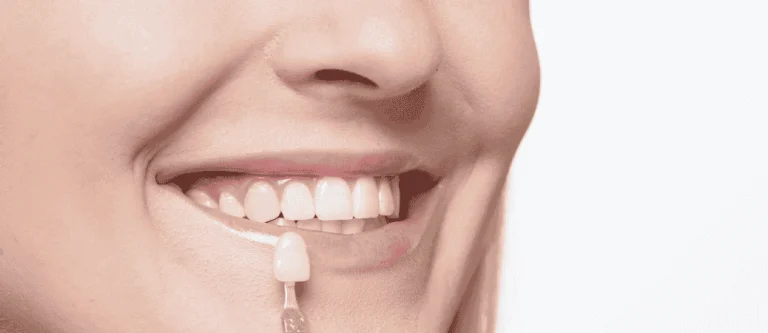
Teeth whitening should always come before veneers or bonding because these materials don’t change color.
If you whiten after getting veneers, your natural teeth will be lighter than the porcelain, creating a mismatched appearance.
The typical sequence is:
- Complete whitening treatments and wait 2-3 weeks for color to stabilize
- Match veneers or bonding to your new tooth shade
- Place permanent restorations once you’re happy with the whiteness
Your dentist will use your whitened tooth color to select the right shade for porcelain veneers or composite bonding. This ensures everything matches perfectly.
Touch-up whitening can maintain the brightness of your natural teeth later, but the veneers will stay their original color.
Coordinating Restorative and Cosmetic Procedures
Sequencing treatments properly means identifying which procedures need to happen first and completing each one before moving forward.
Restorative work like crowns or bridges should be done before purely cosmetic treatments.
If you need a dental implant or crown on one tooth and want veneers on others, the implant crown gets made first. Your dentist can then match the veneers to blend with that restoration.
Doing it backward means the implant crown might not match your new veneers.
Starting with the end in mind helps dentists plan the entire case from the beginning. They consider how each treatment affects the next one and create a logical sequence that delivers the best cosmetic dental treatment outcome.
Popular Cosmetic Options and Their Ideal Timing
Different cosmetic dental treatments work best at specific points in your overall plan.
Whitening typically comes before restorations, veneers require stable gums and bite alignment, and comprehensive smile makeovers need careful sequencing to avoid redoing work.

Teeth Whitening: Laying the Foundation
Teeth whitening should happen before any other cosmetic dental treatment that involves matching shades. Here’s why this matters for your planning.
When you get veneers or crowns, your dentist picks a shade to match your existing teeth. Porcelain doesn’t change color after it’s made.
If you whiten your natural teeth later, your restorations stay the same shade while everything around them gets lighter.
That creates a mismatched look you can’t fix without replacing the cosmetic work entirely.
The right sequence is:
- Complete professional whitening first
- Wait two weeks for the shade to stabilize
- Then design veneers or other restorations to match your new brighter baseline
Most cosmetic dentistry procedures follow this same rule. Get your teeth as white as you want them, then build everything else around that foundation.
Some offices offer take-home whitening trays after placing veneers. This maintains the natural teeth around your restorations but won’t change the veneer shade itself.
Porcelain Veneers for Shape and Shade
Porcelain veneers require specific conditions to be in place before they’re installed. Your gums need to be healthy and at their final position. Your bite needs to be stable.
If you need gum reshaping, that happens first. The tissue needs 8-12 weeks to heal and settle before we take final impressions for veneers.
Placing veneers on gums that haven’t finished healing means the margins won’t fit properly months later.
Bite issues come next. If you grind your teeth at night or have an unstable bite pattern, cosmetic dentistry can change how your teeth meet. You might need a stabilization phase with a custom night guard before moving forward.
Once your foundation is ready, veneers typically take two appointments. The first visit involves preparing your teeth and placing temporary veneers. The second appointment bonds the permanent porcelain in place.
Veneers work best when:
- Active gum disease is treated and stable
- Your bite has been evaluated and any TMJ issues addressed
- You’ve completed whitening on teeth that won’t receive veneers
- You’re committed to wearing a night guard if you clench or grind
Smile Makeover Combinations

A smile makeover combines multiple cosmetic dental treatments into one coordinated plan. The sequence matters because each step builds on what came before.
A typical timeline follows this pattern. First, you address any foundational problems like gum disease, decay, or bite instability. This phase can take weeks or months depending on what needs fixing.
Next comes any surgical work like gum contouring or implant placement. These procedures need full healing time before moving forward.
Then you complete teeth whitening to establish your baseline shade. After that, your dentist places any veneers, crowns, or bonding that changes tooth shape or color.
Common smile makeover sequences:
| Treatment Combination | Typical Timeline |
| Whitening + bonding on multiple teeth | 2-3 weeks |
| Gum reshaping + porcelain veneers | 3-4 months |
| Orthodontics + whitening + veneers | 12-18 months |
| Implants + gum work + full restoration | 6-12 months |
The advantage of planning everything upfront is that your dentist can design each phase knowing what comes next.
Your temporaries can preview your final result. Nothing gets done twice because something wasn’t considered early enough.
Personalizing Your Smile Makeover Plan
Every smile makeover should match your specific needs, timeline, and comfort level. The materials you choose, the goals you set, and the pace of treatment all shape how your final results look and feel.
Goal Setting and Treatment Matching
Your dentist needs to understand what bothers you most about your smile before recommending any cosmetic dental treatment. Some people want whiter teeth. Others feel concerned about gaps, chips, or worn edges.
A personalized smile makeover addresses your unique concerns rather than following a standard template. Your dentist will ask about your daily habits, sensitivity levels, and how much change you want to see.
If you drink coffee daily, your whitening plan may differ from someone who rarely consumes staining foods.
Treatment matching means pairing your goals with the right procedures. If you want a dramatic change in tooth shape and color, veneers might work better than teeth whitening alone.
If you only want brighter teeth, professional whitening may be enough. Your dentist creates a plan that fits your budget, timeline, and dental health.
Risks of Minimal Prep and Rushed Procedures
Rushing through cosmetic work often leads to problems later. Minimal prep procedures sound appealing because they promise fast results with less tooth removal.
However, these approaches sometimes create uneven surfaces or poor bonding.
When dentists skip important preparation steps, veneers may not fit properly. This can cause gaps where bacteria collect. Porcelain veneers need careful placement on clean, properly shaped enamel to last years without chipping.
Rushed treatments also increase the chance of shade mismatches.
If your dentist places restorations before completing teeth whitening, your natural teeth might brighten later while your veneers stay the same color. Taking time to plan each step protects your investment and prevents costly replacements.
Choosing Materials and Managing Expectations
Different materials offer different benefits for your smile makeover. Porcelain veneers resist stains better than composite resin but cost more. Your dentist will explain which materials match your goals and budget.
Managing expectations means understanding what each treatment can and cannot do. Teeth whitening brightens natural enamel but does not change the color of existing crowns or fillings. Veneers improve shape and color but require removing a thin layer of enamel.
Your dentist should show you photos or digital previews so you know what to expect. The planning process includes discussing maintenance needs, how long results typically last, and what daily care your new smile requires. Honest conversations about outcomes help you feel confident in your choices.
Maintaining Your Smile After Cosmetic Dental Work
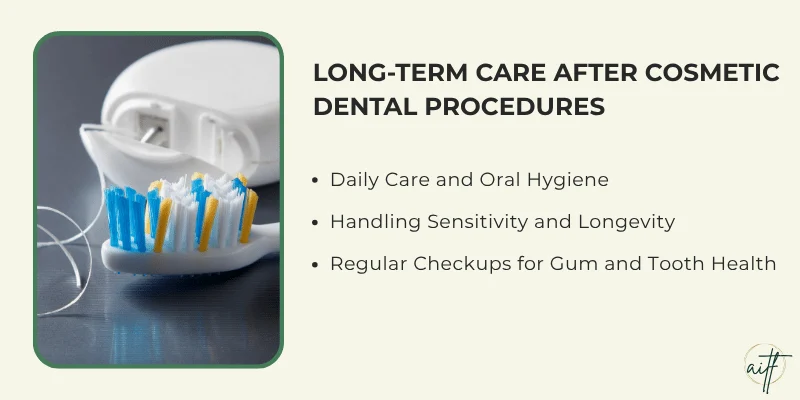
Your investment in cosmetic dentistry requires consistent care to protect its appearance and function over time. Proper daily habits, attention to sensitivity issues, and regular professional monitoring keep veneers, whitening results, and other restorations looking their best for years.
Daily Care and Oral Hygiene
You need to brush twice daily with a soft-bristled toothbrush to protect your cosmetic work from scratches and wear. Non-abrasive toothpaste works best for porcelain veneers and bonding because harsh ingredients can dull the shine over time.
Flossing once per day removes plaque between teeth where your brush cannot reach. This step is vital for gum health around veneers and crowns.
Use an alcohol-free mouthwash to avoid drying out your mouth or weakening the bonding agents that hold your cosmetic work in place. Some mouthwashes with alcohol can also stain certain dental materials over months of use.
Avoid biting directly into hard foods like ice, nuts, or candy with your front teeth. These habits can chip or crack veneers and bonding even when the work was done perfectly.
Handling Sensitivity and Longevity
Some sensitivity to hot or cold temperatures is normal for the first few weeks after cosmetic dentistry procedures. This usually fades as your teeth adjust to the new restorations.
If sensitivity lasts beyond three weeks or gets worse, contact your dentist right away. This can signal an issue with fit or bonding that needs correction.
Your teeth whitening results typically last one to three years depending on your diet and habits. Coffee, tea, red wine, and tobacco all cause faster staining.
Porcelain veneers can last 10 to 15 years with proper care. Avoiding grinding your teeth at night protects them from cracks. Your dentist may recommend a night guard if you clench or grind.
Touch-up whitening treatments every six to twelve months help maintain your desired shade between major treatments.
Regular Checkups for Gum and Tooth Health
You should visit your dentist every six months for cleanings and examinations. These appointments catch small problems before they damage your cosmetic work.
Your hygienist will check that gum health remains stable around crowns and veneers. Gum recession can expose margins and create dark lines at the gum line.
Professional cleanings remove tartar buildup that brushing alone cannot eliminate. This buildup threatens both your natural teeth and cosmetic restorations.
Your dentist will examine the integrity of bonding and check for any chips, cracks, or wear patterns. Early detection allows for simple repairs instead of full replacements.
Bring up any changes in how your bite feels during these visits. Shifts in your bite can place uneven pressure on veneers and lead to fractures over time.
Frequently Asked Questions
Most people wonder whether they need to handle their cavities and gum health before thinking about veneers or whitening. Others want to know if there’s a specific order that makes sense when fixing chips, straightening teeth, and improving their smile’s overall look.
What dental issues should be treated before starting any cosmetic work?
You need to address active tooth decay, gum disease, and infection before any cosmetic procedures. Cavities create weak spots in your teeth that can’t support veneers or bonding properly.
Gum disease causes inflammation and bone loss. If you get cosmetic work done while your gums are diseased, the tissue will continue to recede and expose the edges of your veneers or crowns.
Root infections need treatment first too. A tooth with an untreated infection will eventually need a root canal, which means removing part of your new cosmetic work to access the inside of the tooth.
Your dentist should also check for teeth grinding and jaw joint problems. These issues put extra force on your teeth and can crack or chip cosmetic restorations quickly.
How do I decide whether to fix cavities and gum problems before whitening or veneers?
Cavities always come first. Whitening gel can seep into decay and cause severe pain or damage to the nerve inside your tooth.
Treatment plans should address dental health issues before cosmetic procedures begin. If you have gum disease, your dentist needs to get that under control before placing veneers because inflamed gums bleed easily and make it hard to get accurate impressions.
Fillings also affect color matching. If you whiten your teeth first and then get a filling, that filling will stay darker than your newly whitened teeth.
You’ll want to whiten first, wait about two weeks for the color to stabilize, then place any needed fillings to match your new shade.
Veneers cover your front teeth completely, so cavities on those teeth get removed during the preparation process anyway. But decay on back teeth still needs treatment before you start cosmetic work on the front.
Should I straighten my teeth with braces or aligners before getting veneers or bonding?
Straightening before veneers usually gives you better results. When your teeth are properly aligned, your dentist can create veneers that are thinner and more natural-looking.
If your teeth are crooked, veneers need to be thicker on some areas to hide the misalignment. This can make your teeth look bulky or push your lips out unnaturally.
Orthodontics also fixes your bite. Getting your teeth into the right position means forces get distributed evenly when you chew, which helps veneers last longer.
Minor spacing or rotation issues can sometimes be fixed with veneers alone. Your dentist can close small gaps or make slightly rotated teeth appear straighter without needing braces first. But significant crowding or bite problems need orthodontic treatment.
What’s the best order to address chips, cracks, and uneven tooth edges for a natural-looking result?
Small chips and uneven edges are usually fixed last in your treatment plan. These quick repairs with bonding material work best when all your other dental work is complete.
Deep cracks that extend below the gum line need immediate attention. These can let bacteria into your tooth and cause infection or allow the tooth to split further.
If you’re planning veneers, your dentist will address chips and uneven edges during the veneer preparation. The tooth gets reshaped anyway, so fixing minor chips separately beforehand doesn’t make sense.
For cracks that affect how your tooth functions but aren’t causing pain yet, your dentist might place a crown first.
This protects the tooth from splitting while you plan and save for additional cosmetic work on neighboring teeth. Treating the damaged tooth prevents it from breaking completely and needing extraction.
How can I prioritize cosmetic changes if I’m working within a budget?
Start with the teeth that show most when you smile. Your front six or eight upper teeth make the biggest visual impact.
Bonding costs less than veneers and can improve chips, gaps, and discoloration in one visit. You can always upgrade to veneers later if you want a longer-lasting result.
Professional whitening brightens your whole smile at a lower cost than other cosmetic treatments. This might be enough if your teeth are healthy and fairly straight but just stained.
You and your dentist create a treatment plan together that shows costs and payment options. Ask about doing cosmetic work in phases, where you complete the most visible teeth first and add other improvements over time as your budget allows.
Treating one or two problem teeth with crowns or veneers can significantly improve your smile. Sometimes fixing just the most damaged or discolored tooth makes everything else look better by comparison.
How do dentists create a treatment plan that balances function, health, and appearance?
Your dentist starts with a thorough exam of your teeth, gums, bite, and jaw joints. This shows what needs to be fixed for health reasons versus what you want to improve for looks.
Photos and x-rays help identify problems you might not see or feel yet. Your dentist maps out how your teeth come together when you bite and checks for wear patterns that suggest grinding or bite imbalance.
Health and function always come first in the sequence. Decay gets treated, gum disease gets controlled, and bite problems get addressed before cosmetic improvements begin.
A comprehensive oral exam and discussion of your smile goals form the foundation of your consultation. Your dentist considers how long different treatments last and what maintenance they’ll need over time.
The plan should match your lifestyle too. If you play contact sports, certain cosmetic options might be more fragile than you need.
If you grind your teeth at night, your treatment plan needs to account for those forces with protective appliances or stronger materials.