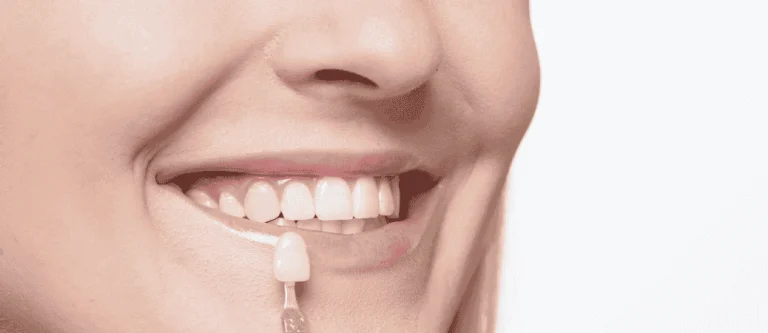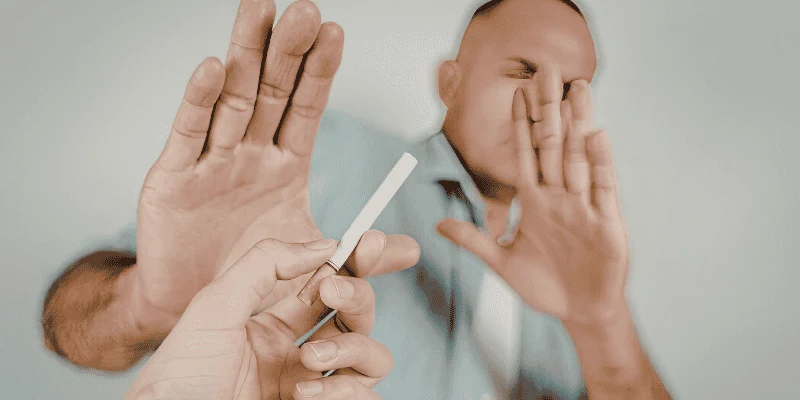
Coffee and smoking are two of the biggest causes of tooth discoloration. Both create stubborn stains that regular brushing cannot remove.
The dark pigments in coffee and the tar and nicotine from cigarettes seep into the tiny pores of your tooth enamel, creating yellow or brown patches that get darker over time.
Professional teeth whitening treatments can effectively remove coffee and smoking stains, with options ranging from at-home kits to in-office procedures that brighten your smile in just one visit.
The good news is that you have many choices for dealing with these stains. You can start with simple home remedies or jump straight to professional care depending on how deep your stains go.
Understanding how teeth whitening for smokers works and how to pick the right treatment is important before you begin the treatment.
This guide walks you through everything from daily prevention habits to professional procedures that deliver lasting results.
Key Takeaways
- Coffee and smoking stains penetrate tooth enamel through dark pigments and chemicals that build up over time
- Whitening options range from baking soda pastes and over-the-counter strips to professional treatments with stronger bleaching agents
- Daily oral hygiene and regular dental cleanings help maintain whitening results and prevent new stains from forming
Table of Content
- How Coffee and Smoking Cause Teeth Stains
- Best Whitening Solutions for Stained Teeth
- Professional Whitening Procedures Explained
- Daily Oral Care for Preventing New Stains
- Maintaining Whitening Results Long-Term
- Frequently Asked Questions
How Coffee and Smoking Cause Teeth Stains
Coffee and tobacco both contain specific compounds that penetrate your tooth enamel and create stubborn discoloration.
The way these substances interact with your teeth determines whether stains stay on the surface or sink deeper into the tooth structure.
The Science Behind Smoking and Coffee Staining
Coffee contains dark pigments called tannins that stick to your tooth enamel and cause yellowing over time.
These compounds are acidic, which means they can soften your enamel temporarily and make it easier for stains to take hold. When you drink coffee regularly, the tannins build up on your teeth and create visible discoloration.
Tobacco creates smoking stains through tar and nicotine, which are notorious for causing yellow or brown marks on your teeth. Tar is naturally dark and leaves residue on your enamel.
Nicotine is colorless on its own but turns yellow when it combines with oxygen.
Both substances penetrate the microscopic pits and ridges in your enamel. Your tooth surface isn’t completely smooth, so these pigments settle into tiny crevices and become harder to remove with regular brushing alone.
Types of Tooth Discoloration: Surface vs. Intrinsic Stains
Surface stains (also called extrinsic stains) sit on the outer layer of your enamel. These are the easier type to remove because they haven’t penetrated deeply into your tooth structure.
Coffee and tobacco initially create surface stains that affect only the visible outer coating of your teeth.
Intrinsic stains develop when pigments work their way through your enamel and into the dentin layer beneath.
This type of tooth discoloration is more challenging to treat because the staining exists inside your tooth rather than just on top.
Long-term smoking and coffee consumption can lead to intrinsic stains as the compounds gradually penetrate deeper.
Key differences:
- Surface stains: Removable with professional cleaning and whitening
- Intrinsic stains: Require stronger bleaching agents or cosmetic treatments
- Depth: Surface stains affect enamel only; intrinsic stains reach dentin
Common Factors That Worsen Staining
You’re more likely to develop severe tobacco stains and coffee discoloration if you consume these substances frequently throughout the day.
The more exposure your teeth have to staining agents, the darker and deeper the discoloration becomes.
Poor oral hygiene allows stains to accumulate faster because plaque and tartar buildup create rough surfaces where pigments can attach more easily.
If you’re both a smoker and coffee drinker, the combination accelerates staining and creates a double threat to your smile.
Factors that increase staining:
- Drinking coffee or smoking multiple times daily
- Not brushing or rinsing after consumption
- Existing enamel damage or erosion
- Dehydration and dry mouth conditions
Struggling with tobacco stains? Visit us near Evansville, IN, for customized whitening solutions.
Best Whitening Solutions for Stained Teeth
Multiple whitening methods can tackle coffee and smoking stains, from drugstore strips to professional treatments. The right choice depends on your stain severity, budget, and tooth sensitivity.
Over-the-Counter Whitening Options
Whitening strips offer one of the most effective over-the-counter solutions for stained teeth. These thin, flexible strips contain hydrogen peroxide or carbamide peroxide that breaks down stains on your enamel.
You’ll typically wear them for 20-30 minutes once or twice daily, and many users see results within a week.
At-home whitening kits with LED lights can speed up the whitening process. The light activates the peroxide gel to work faster than strips alone. Some kits lighten teeth by two shades in just one week of daily use.
Whitening toothpaste works more gradually than strips or kits. It removes surface stains through gentle abrasives and chemicals, but won’t change your natural tooth color as dramatically.
You’ll need to use it consistently for several weeks to notice a difference.
Common peroxide concentrations:
- Whitening strips: 5-10% hydrogen peroxide
- LED kits: 3-12% hydrogen peroxide
- Whitening toothpaste: 1-3% hydrogen peroxide
Natural and At-Home Remedies
Baking soda creates a mild abrasive paste that scrubs away surface stains when mixed with water. You can brush with this mixture a few times per week, but daily use may damage your enamel.
Oil pulling with coconut oil involves swishing a tablespoon in your mouth for 10-20 minutes. Some people report whiter teeth after consistent use, though scientific evidence remains limited.
Hydrogen peroxide diluted with equal parts water makes a whitening mouth rinse. Swish it for one minute before brushing, but don’t use it more than once daily to avoid irritating your gums.
Important limitations: Natural remedies only address surface stains and work much slower than over-the-counter whitening.
Coffee stains contain tannins that penetrate tooth enamel, requiring stronger treatments for noticeable results.
When to Choose Professional Treatments
Professional teeth whitening delivers the fastest and most dramatic results for stubborn coffee and smoking stains. In-office whitening uses professional-grade whitening gel with higher peroxide concentrations than you can buy at stores—often 15-40% hydrogen peroxide.
Your dentist applies protective barriers to your gums before painting the whitening solution on your teeth. A special light or laser may activate the gel.
Professional whitening treatments typically lighten teeth by 3-8 shades in a single 60-90 minute session.
Consider professional treatments if you have deep-set stains that haven’t responded to at-home methods. They’re also better if you need quick results for an upcoming event or have uneven staining across your teeth.
Dentists recommend gum disease treatment and cavities before any whitening treatment.
Your dentist can also provide custom-fitted trays with professional-grade whitening gel for at-home use, which offers stronger results than drugstore options while costing less than in-office procedures.
Professional Whitening Procedures Explained
Dental offices offer two main approaches that deliver stronger results than drugstore products: chair-side treatments that brighten teeth in a single visit and custom-fitted trays you use at home with professional-grade gel.
In-Office Whitening Technology

In-office whitening uses concentrated bleaching agents that dental professionals apply directly to your teeth. The process starts with a thorough dental cleaning to remove plaque and surface debris that could block the whitening gel.
Your dentist will protect your gums with a rubber shield or protective barrier gel. Then they paint a professional-grade whitening gel containing 35-40% hydrogen peroxide onto each tooth surface.
Many dentists activate the gel with LED or laser light to speed up the whitening process. The light helps break down stain molecules from coffee and tobacco more quickly.
Professional teeth whitening typically takes 60-90 minutes and can lighten teeth by several shades in one appointment. You might experience some temporary tooth sensitivity afterward, but this usually fades within a day or two.
For heavy smokers or coffee drinkers with deep stains, your dentist might recommend a follow-up session or combine the treatment with other cosmetic dentistry options like dental bonding for stubborn spots.
Customized Take-Home Whitening Trays
Your dentist creates custom trays by taking impressions of your teeth to make molds that fit perfectly. These personalized trays hold professional-grade whitening gel against every tooth surface without gaps or leaks.
The gel concentration ranges from 10-14% peroxide, stronger than store-bought strips but gentler than in-office treatments. You wear the filled trays for 1-3 hours daily or overnight for one to two weeks.
Custom trays distribute the whitening gel evenly across all your teeth. This prevents the patchy results that sometimes happen with one-size-fits-all drugstore strips.
Because the trays fit snugly, they keep the gel away from your gums and reduce irritation. You control the treatment schedule and can do touch-ups whenever new coffee or smoking stains appear.
Most people see noticeable brightening within the first week. The gradual approach works well if you have sensitive teeth or want to lighten gradually without the time commitment of an office visit.
Want long-lasting whitening results? Contact us to visit our clinic in Evansville, IN.
Daily Oral Care for Preventing New Stains
Building strong oral hygiene habits and making smart choices about what you eat and drink can stop new stains before they start.
Simple changes to your daily routine and lifestyle can protect your teeth from coffee and smoking discoloration.

Oral Hygiene Habits for Stain Prevention
Brushing your teeth twice a day forms the foundation of stain prevention. You should use fluoride toothpaste and brush for at least two minutes each time.
Wait about an hour after drinking coffee or smoking before brushing. This gives your enamel time to reharden since acids can temporarily soften it.
Adding whitening toothpaste to your routine helps remove surface stains as they form. You can alternate between whitening and regular fluoride toothpaste to balance stain removal with enamel protection.
Flossing daily removes plaque and staining particles between teeth where your toothbrush can’t reach. Using fluoride mouthwash after brushing adds an extra layer of protection.
Professional dental cleanings every six months remove built-up stains and tartar that daily brushing misses. Your dentist can also spot early staining and recommend treatments for coffee stains before they become harder to remove.
Rinsing and Dietary Tips to Protect Your Teeth
Rinsing your mouth with water right after coffee or smoking washes away staining compounds before they settle on your teeth. This simple step takes seconds but makes a real difference.
Drinking coffee in one sitting instead of sipping throughout the day reduces the time your teeth are exposed to staining agents. Using a straw when drinking iced coffee limits contact with your front teeth.
Adding milk or cream to your coffee dilutes the tannins that cause stains. The proteins in milk may also help prevent these compounds from sticking to enamel.
Eating crunchy fruits and vegetables like apples, carrots, and celery naturally scrubs your teeth. These foods increase saliva production, which helps neutralize acids and wash away staining particles.
Lifestyle Adjustments for Lasting Results
Cutting back on coffee and cigarettes protects your teeth from continued staining. Even reducing from multiple cups to one coffee per day lowers your risk.
Drinking more water throughout the day keeps your mouth clean and prevents dry mouth. Saliva naturally protects against stains, so staying hydrated helps your mouth defend itself.
If you smoke, quitting provides the biggest benefit for your teeth and overall health. Nicotine and tar create stubborn yellow and brown stains that are harder to remove than coffee stains alone.
Regular dental check-ups let your dentist monitor any new staining and adjust your oral care plan as needed. Professional cleanings provide deeper stain removal than home care alone can achieve.
Maintaining Whitening Results Long-Term
Your whitening results can last anywhere from six months to two years depending on your daily habits and care routine.
Keeping your smile bright requires both periodic touch-ups and avoiding the substances that caused staining in the first place.
Touch-Up Strategies
Professional touch-up treatments help you maintain your bright smile without starting the whitening process from scratch.
Ask your dentist about custom trays with mild whitening gel that you can use at home every few months. These personalized kits work better than most store-bought options because they fit your teeth perfectly.
Regular dental cleanings remove surface stains before they settle deeper into your enamel. Schedule these appointments every six months to keep plaque and discoloration at bay.
Over-the-counter whitening toothpaste can help between professional treatments. Use these products a few times per week rather than daily to avoid wearing down your enamel.
Look for gentle formulas approved by dental professionals.
Touch-up timing depends on your lifestyle. If you drink coffee daily or still smoke occasionally, you might need treatments more often than someone who avoids these habits completely.
Avoiding Future Discoloration

Your first 48 hours after whitening are crucial because your teeth are most vulnerable to staining during this period. Avoid coffee, tea, red wine, dark sodas, and tomato-based sauces during this time.
Long-term dietary choices matter just as much. When you do drink staining beverages, use a straw to minimize contact with your front teeth.
Rinse your mouth with water immediately after consuming coffee or other dark drinks.
Good oral hygiene protects your whitening investment. Brush twice daily with a soft-bristled toothbrush and floss once per day.
If you can’t brush right after meals, swish water around your mouth or chew sugar-free gum to stimulate saliva production.
Quitting tobacco products makes the biggest difference in preventing new stains. Smoking or chewing tobacco can quickly undo your whitening results and harm your overall health.
Frequently Asked Questions
People with coffee and smoking stains often wonder about their treatment options and how to maintain results. The answers depend on the type of stain, how long it’s been there, and your daily habits.
How can I remove coffee stains from my teeth at home?
You can use custom whitening trays from your dentist with professional-grade gel for the best at-home results. These trays fit your teeth precisely and use stronger bleaching agents than store-bought products.
Brush with whitening toothpaste twice daily and rinse your mouth with water after drinking coffee. Baking soda mixed with a small amount of water can gently scrub away surface stains when used once or twice per week.
Over-the-counter whitening strips containing hydrogen peroxide can help with mild coffee stains. Apply them according to package directions, usually for 30 minutes daily over two weeks.
What’s the fastest way to get rid of tobacco stains on teeth?
Professional laser whitening delivers the fastest results for tobacco stains, with noticeable improvements often visible after just one 60-minute treatment.
The high-concentration bleaching agents used in dental offices work much faster than anything you can buy at a store.
In-office treatments can contain up to 40% hydrogen peroxide compared to the 10% maximum in retail products. Your dentist activates the whitening gel with special lights or lasers to speed up the process.
For severe stains that don’t respond to whitening, veneers or bonding provide immediate coverage. These cosmetic solutions completely mask discoloration and can last 10-15 years.
Can teeth stained from smoking be whitened effectively?
Professional whitening can significantly reduce smoking stains, but results depend on how long and heavily you’ve smoked. Surface stains respond better to treatment than deep stains that have penetrated the tooth’s inner layers.
Nicotine and tar create yellow-brown discoloration that gets harder to remove the longer you smoke. If you’ve smoked for many years, you might need multiple whitening sessions or alternative treatments.
Some deep discoloration may require additional treatments beyond standard whitening procedures. Your dentist can assess whether your stains will respond to bleaching or if you need other cosmetic options.
Does coffee stain teeth permanently, or can the discoloration be reversed?
Coffee causes stains that gradually penetrate tooth enamel when consumed regularly over time, but these stains aren’t usually permanent. Professional whitening and good oral hygiene can reverse most coffee-related discoloration.
The dark pigments in coffee stick to enamel and cause yellowing that builds up over months and years. If you catch stains early and treat them, they’re much easier to remove than older, deeper stains.
Professional teeth whitening can effectively remove coffee stains in most cases. The key is consistent maintenance and limiting your coffee intake or using a straw to reduce contact with your teeth.
What are the best whitening products for stubborn coffee and nicotine stains?
Custom whitening trays from your dentist with professional-grade gel work best for stubborn stains. These products contain 10-22% carbamide peroxide, which is stronger than the 3-10% found in drugstore options.
Crest 3D White Professional Effects strips and Opalescence Go trays are effective over-the-counter choices for moderate stains. They won’t work as well as professional treatments but cost less and don’t require a dental visit.
Whitening toothpastes with hydrogen peroxide or baking soda help maintain results, but can’t remove deep stains on their own. Use them as part of your daily routine along with regular dental cleanings every three to four months.
How can I prevent new coffee stains on my teeth while still drinking coffee?
Drink coffee through a straw to minimize contact with visible tooth surfaces and reduce staining. Rinse your mouth with water immediately after finishing your coffee to wash away staining compounds.
Wait at least 30 minutes after drinking coffee before brushing your teeth. Coffee makes your enamel temporarily softer, and brushing right away can actually push stains deeper into your teeth.
After whitening, your teeth are more vulnerable to coffee pigments, especially during the first 48 hours when enamel pores are more open. Avoid coffee completely for two days after any whitening treatment for the best results.