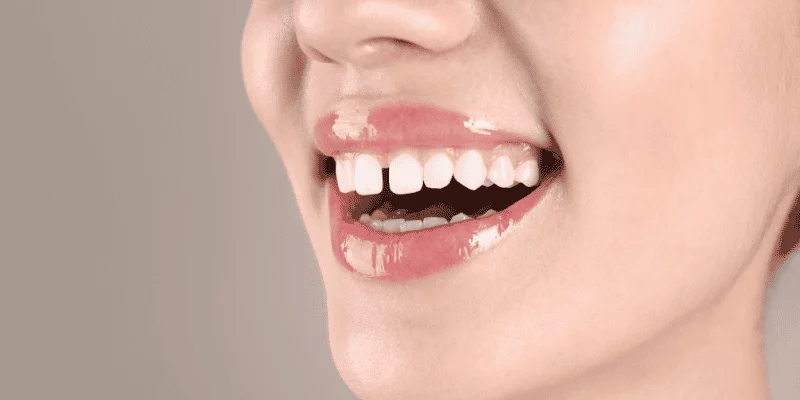
Gaps between your teeth can affect how you feel about your smile, whether it’s a small space between your front teeth or several gaps throughout your mouth.
Veneers for gaps in teeth can close small to moderate gaps between teeth by adding width to the tooth surface, though they work best for spaces measuring one to two millimeters.
Veneers are thin shells of porcelain or composite that dentists bond to the front of your teeth to create a more uniform appearance.
Many people choose veneers because they offer a faster solution than braces or aligners. Instead of waiting months or years to move your teeth, you can close gaps with veneers in just a few dental visits.
The procedure works by making each veneer slightly wider than your natural tooth, which fills in the space and creates the look of a complete smile.
Understanding how veneers work, what size gaps they can fix, and whether you’re a good candidate will help you make the right choice for your smile.
This guide covers everything you need to know about using veneers to close gaps, from the placement process to alternatives that might work better for larger spaces.
Key Takeaways
- Veneers can close gaps between teeth that are small to moderate in size, typically under two millimeters
- The veneer process involves bonding custom shells to your teeth to add width and hide spaces
- Larger gaps may need orthodontic treatment first, and alternatives like aligners or implants might be better options for some situations
Table of Content
- Understanding Gaps Between Teeth
- How Veneers Close Gaps Between Teeth
- The Veneer Placement Process
- Who Is a Good Candidate for Veneers to Close Gaps?
- Benefits and Considerations of Veneers for Gapped Teeth
- Alternatives to Veneers for Closing Gaps
- Frequently Asked Questions
Understanding Gaps Between Teeth
Gaps between teeth can develop for many different reasons, from genetics to childhood habits. While some people embrace their tooth gaps, others feel self-conscious about how they affect their smile’s appearance.
Common Causes of Tooth Gaps
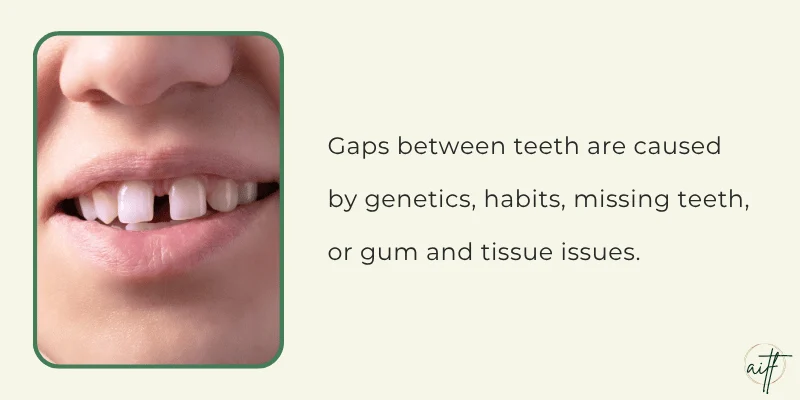
Genetics plays the biggest role in whether you develop gaps between teeth. Some people naturally have a larger jaw bone compared to the size of their teeth, which creates extra space.
Your parents may have passed down these traits to you.
Childhood habits can push your teeth apart over time. Thumb sucking beyond age five often creates pressure that moves front teeth forward.
Tongue thrusting, where you press your tongue against your teeth when swallowing, can also cause spacing issues between your front teeth.
Missing or undersized teeth leave empty spaces that cause neighboring teeth to shift. When you lose a tooth or have naturally small teeth, the remaining teeth may spread out to fill the gaps.
The labial frenum is the tissue connecting your upper lip to your gums. When this tissue is too large or extends too far down, it can prevent your front teeth from closing together properly.
Gum disease weakens the bone supporting your teeth and can cause them to loosen and separate.
How Common Are Gaps Between Teeth
Diastema, the medical term for gaps between teeth, affects millions of people. The space between the two upper front teeth is the most common type of tooth gap you’ll see.
Studies show that many adults have some form of spacing between their teeth. Children often develop temporary gaps as their baby teeth fall out and permanent teeth grow in.
Many of these childhood gaps close naturally without treatment.
Front tooth gaps are more noticeable than spaces between back teeth. Some cultures view these gaps as attractive or even lucky, while others see them as something to fix.
Impact on Smile and Confidence
Your smile is one of the first things people notice about you. Gapped teeth can make you feel uncomfortable when smiling, talking, or taking photos.
Many people with tooth gaps say they hide their smile or cover their mouth when laughing.
Beyond appearance, gaps can sometimes cause minor misalignment that affects how you bite and chew food. Food particles may get stuck in the spaces between your teeth more easily, which requires extra attention during cleaning.
Bite issues don’t always happen with tooth gaps, but larger spaces can sometimes affect how your upper and lower teeth come together. This may lead to uneven wear on certain teeth over time.
The emotional impact varies from person to person. Some people feel perfectly fine with their natural gaps, while others find that fixing their gapped teeth gives them a confidence boost in social and professional settings.
Have questions about veneers? Contact us and schedule your visit near Evansville, IN.
How Veneers Close Gaps Between Teeth
Veneers provide a cosmetic solution for gaps by adding width to your teeth rather than moving them.
The process involves bonding custom-made shells to the front of your teeth to reshape and resize them, creating the appearance of a perfectly aligned smile.
How Veneers Work for Gap Closure
When you choose veneers to close gaps between your teeth, your dentist reshapes the visible surface of your teeth by adding material rather than shifting their position.
Think of veneers as a cover that makes your teeth appear wider and closer together.
The shells bond directly to the front surface of the teeth on either side of the gap. By making these teeth slightly wider, the space between them disappears.
This approach works differently than braces or aligners, which actually move your teeth over time.
Veneers work best for:
- Small to moderate gaps between front teeth
- Gaps caused by naturally small or undersized teeth
- Spacing issues you want corrected quickly
This method is sometimes called instant orthodontics because you can see results in just two visits instead of months or years of traditional treatment.
Your dentist will evaluate whether your gaps are small enough for veneers or if you need orthodontic work instead.
Porcelain vs. Composite Veneers
You have two main material options when getting veneers for gaps. Porcelain veneers are made in a dental lab and typically last 10 to 15 years with proper care.
They resist stains from coffee and wine better than composite options and reflect light like natural teeth.
Composite veneers use tooth-colored resin applied directly to your teeth during a single appointment. Your dentist sculpts the material by hand to close the gap and match your other teeth.
These veneers cost less but generally last only 5 to 7 years before needing replacement.
| Feature | Porcelain Veneers | Composite Veneers |
| Visits Required | 2 appointments | 1 appointment |
| Lifespan | 10-15 years | 5-7 years |
| Stain Resistance | Excellent | Moderate |
| Cost | Higher | Lower |
Porcelain gives you the most natural and durable results, while composite offers a faster and more affordable option for closing gaps.
Custom Veneers and Tooth Preparation
Creating custom veneers for gap closure starts with your dentist taking impressions of your teeth. These molds go to a lab where technicians design porcelain shells to fit your exact tooth shape and size.
Before placement, your dentist removes a thin layer of enamel from the front of your teeth. This step usually involves removing less than 0.5 millimeters to create room for the veneer without making your tooth look bulky.
The preparation is permanent because enamel doesn’t grow back. Temporary veneers may protect your prepared teeth while the lab creates your permanent set.
Once ready, your dentist checks the fit and shade before bonding them permanently with dental cement and a special curing light.
Minimal tooth preparation means you keep most of your natural tooth structure while still getting the cosmetic benefits of gap closure.
Want to improve your smile quickly? Contact us for expert advice.
The Veneer Placement Process
Getting veneers to close gaps involves multiple appointments and careful planning with your cosmetic dentist.
The process typically takes two to three visits and includes preparing your teeth, creating custom veneers in a dental lab, and bonding them permanently to your smile.
Initial Consultation and Evaluation
Your first visit focuses on determining if veneers are right for closing your gaps. Your cosmetic dentist will examine your teeth and gums to check for any underlying issues like decay or gum disease that need treatment first.
During this appointment, you’ll discuss your smile goals and expectations. Your dentist may take X-rays or digital scans to assess tooth structure and gap size.
They’ll help you choose between porcelain and composite veneers based on your budget and aesthetic needs.
The consultation also includes shade matching to ensure your veneers look natural. You’ll see photos or digital mock-ups of potential results.
This is your chance to ask questions about the procedure, timeline, and care requirements.
Steps of Veneer Application
The application process begins with tooth preparation, where your dentist removes a thin layer of enamel from the front surface of your teeth.
This typically involves removing less than 0.5 mm of enamel to create space for the veneers without making your teeth look bulky.
After preparation, your dentist takes detailed impressions of your teeth. These impressions get sent to a dental lab where technicians craft your custom veneers.
The shade you selected earlier guides the lab in matching your natural tooth color.
At your final appointment, your dentist checks the fit and appearance of your veneers.
They’ll make any needed adjustments before permanently bonding them with dental cement and a special curing light. Your bite gets checked and the veneers are polished for a smooth, natural finish.
Role of the Dental Lab and Temporary Veneers
The dental lab plays a critical role in creating veneers that fit precisely and look natural. Lab technicians use your tooth impressions to craft shells that match the exact shape, size, and color needed to close your gaps seamlessly.
Creating custom veneers in a lab typically takes one to two weeks. During this waiting period, your dentist may place temporary veneers to protect your prepared teeth.
These temporaries aren’t as strong as permanent ones, so you’ll need to avoid hard or sticky foods.
Temporary veneers also let you preview your new smile and get used to the feel of veneers. If you have concerns about the shape or appearance, you can discuss adjustments with your cosmetic dentistry team before the final veneers are bonded.

Who Is a Good Candidate for Veneers to Close Gaps?
Not everyone with gaps between teeth is suited for veneer placement. Your oral health status, the size of your gaps, and the location of those gaps all play important roles in determining whether veneers are the right choice for you.
Assessing Gap Size and Location
Veneers work best for small to moderate gaps between front teeth. Your cosmetic dentist can close these spaces by making the veneers slightly wider than your natural teeth. This creates the appearance of a complete smile without any visible gaps.
Very large gaps present more of a challenge. When the space is too wide, veneers would need to be made unnaturally large to close it completely. This can look fake or feel uncomfortable in your mouth.
The location matters too. Front teeth are ideal candidates because veneers are primarily a cosmetic solution for visible teeth. Back teeth that need functional repair usually require different treatments like crowns or fillings.
Oral Health Requirements

You need healthy gums free from active gum disease before getting veneers. Gum disease must be treated first because veneers bond to your teeth and require stable, healthy tissue around them.
Your teeth also need adequate enamel. Porcelain veneers require removing a thin layer of enamel during preparation, so teeth with already-compromised enamel may not be good candidates.
Good oral hygiene habits are essential. You’ll need to maintain regular brushing, flossing, and dental visits to keep your veneers in good condition for years to come.
When Veneers May Not Be Suitable
Missing teeth cannot be replaced with veneers because they need an existing tooth structure to bond to. Dental implants or other restorative options are more appropriate when teeth are absent.
Significant bite problems or severe minor misalignment often require orthodontic treatment instead of veneers. Veneers change how your teeth look but don’t actually move them into better positions.
People who grind their teeth heavily may crack or damage veneers more easily. Your dentist might recommend a night guard or suggest addressing the grinding habit before considering veneers.
Start your smile makeover. Fill out our new patient form and visit us near Evansville, IN.
Benefits and Considerations of Veneers for Gapped Teeth
Veneers offer a quick way to close gaps and improve your smile’s appearance, but they come with both advantages and limitations.
Understanding the cosmetic benefits, expected lifespan, and potential risks helps you make an informed decision about whether this treatment fits your dental goals.
Aesthetic Advantages
Veneers deliver immediate cosmetic improvements that can transform your smile in just a few dental visits.
When you choose veneers to close gaps between teeth, you’re not only eliminating unwanted spaces but also enhancing tooth color, shape, and overall symmetry.
Porcelain veneers are especially popular because they mimic the natural translucency of real teeth. They reflect light similarly to your natural enamel, creating a realistic appearance that blends seamlessly with your smile.
Porcelain shells also resist staining from coffee, tea, wine, and other common culprits that discolor teeth over time.
Key aesthetic benefits include:
- Instant gap closure without years of orthodontic treatment
- Customized shade matching for natural-looking results
- Improved tooth shape and alignment
- Enhanced smile symmetry and balance
- Stain-resistant surface that maintains its appearance
Your dentist can customize the size and shape of each veneer to create a gap-free smile that looks natural and proportionate to your facial features.
Durability and Longevity
How long do veneers last depends on the material you choose and how well you care for them. Porcelain veneers typically last between 10 to 15 years with proper maintenance, while composite veneers generally have a shorter lifespan of 5 to 7 years.
Several factors affect veneer longevity:
| Factor | Impact on Lifespan |
| Material type | Porcelain lasts longer than composite |
| Oral hygiene | Regular brushing and flossing extend life |
| Dental habits | Avoiding teeth grinding and nail biting prevents damage |
| Diet choices | Limiting hard foods reduces chip risk |
| Regular checkups | Professional monitoring catches issues early |
You’ll need to treat your veneers carefully to maximize their lifespan. Avoid biting hard objects, wear a nightguard if you grind your teeth, and maintain excellent oral hygiene.
While veneers are durable, they’re not permanent and will eventually require replacement.
Potential Drawbacks and Risks
Veneers aren’t suitable for every situation, and they come with some important considerations.
The procedure is irreversible because your dentist must remove a small amount of tooth enamel to make room for the veneer. Once this enamel is gone, you’ll always need some type of restoration on that tooth.
Veneers work best for small to moderate gaps. If you have larger spaces or bite alignment issues, orthodontic treatment might be more appropriate.
Other potential drawbacks include:
- Higher upfront cost compared to dental bonding
- Possible tooth sensitivity after enamel removal
- Risk of veneer chipping or cracking with trauma
- Need for eventual replacement after 10-15 years
- Not covered by most dental insurance plans
Some people experience temporary sensitivity to hot or cold foods after the procedure. Your teeth may also feel slightly different when you bite down. These concerns usually resolve within a few weeks as you adjust to your new veneers.
Alternatives to Veneers for Closing Gaps
If veneers aren’t the right fit for you, several other treatments can effectively close gaps between teeth. Orthodontic options move your teeth naturally into position, while cosmetic procedures add material to fill the spaces.

Braces and Orthodontics
Traditional braces remain one of the most reliable ways to fix gaps between teeth. Metal or ceramic brackets attach to your teeth and use wires to gradually shift them closer together over time.
Orthodontic treatment works especially well if you have large gaps or need to correct your bite alignment at the same time. The process typically takes 18 to 36 months, depending on how much movement your teeth require.
Benefits of braces include:
- Permanent results that address the root cause of gaps
- Ability to fix multiple dental issues at once
- No removal of tooth enamel
- Covered by many dental insurance plans
Your orthodontist will adjust the wires every few weeks to keep your teeth moving in the right direction. While braces take longer than cosmetic fixes, they provide lasting results without changing your natural tooth structure.
Clear Aligners and Invisalign
Clear aligners offer a more discreet way to close gaps between teeth. These removable plastic trays fit over your teeth and gradually shift them into the desired position.
Invisalign is the most well-known brand of clear aligners. You’ll wear each set of trays for about two weeks before switching to the next set in your treatment plan. Most people need to wear the aligners for 12 to 18 months.
The main advantage is that the trays are nearly invisible and you can remove them for eating and brushing. Clear aligners work best for small to moderate gaps. They cost less than traditional braces in most cases, ranging from $3,000 to $7,000.
You’ll need to wear your aligners for 20 to 22 hours each day to see results on schedule.
Dental Bonding and Other Treatments
Dental bonding uses tooth-colored resin to close gaps without orthodontics. Your dentist applies the composite material directly to your teeth and shapes it to fill the space.
The procedure takes about 30 to 60 minutes per tooth.
Bonding costs significantly less than veneers, typically $300 to $600 per tooth. The resin can last three to ten years with proper care. This option works well for small gaps but may not be ideal for larger spaces.
Composite veneers and fillings provide similar results to traditional bonding. Your dentist blends the composite shades to match your natural teeth perfectly.
The bonding process requires minimal tooth preparation compared to porcelain veneers. However, the material can stain over time from coffee, tea, or smoking.
Ready to close gaps and transform your smile? Visit us near Evansville, IN, today.
Frequently Asked Questions
Veneers can close gaps by making teeth wider to fill the space between them. Costs vary based on material and location, but you should understand all your options before treatment.
How do veneers close gaps between teeth, and who is a good candidate?
Veneers work by adding width to your teeth to fill in the empty spaces. Your dentist bonds thin shells of porcelain or composite material to the front surface of your teeth.
The veneers are custom-made slightly wider than your natural teeth so they extend into the gap.
Gaps smaller than 3 millimeters respond well to veneer treatment. Larger spaces may need orthodontic work first or instead of veneers.
You’re a good candidate if you have small to moderate gaps with otherwise straight teeth. Your bite should be stable without jaw pain or teeth grinding issues.
If you have large gaps or multiple spacing problems, orthodontic treatment might work better than veneers.
People with proportionally narrow teeth tend to get the most natural-looking results. The veneers can widen your teeth without making them look unnaturally large.
How much do veneers for gap teeth usually cost, especially for the two front teeth?
Porcelain veneers typically cost between $925 and $2,500 per tooth. Composite veneers are less expensive at $250 to $1,500 per tooth.
To close a gap between your two front teeth, you’ll likely need veneers on both teeth. That means you’re looking at $1,850 to $5,000 for porcelain or $500 to $3,000 for composite.
Your location affects the price significantly. Dental practices in major cities usually charge more than those in smaller towns. The dentist’s experience level also impacts cost.
Most dental insurance plans don’t cover veneers because they’re considered cosmetic. Some dentists offer payment plans to help spread out the cost over several months.
What should I know or ask my dentist before getting veneers to fix a gap?
Ask what’s causing your gap in the first place. Understanding whether it’s due to tooth size, missing teeth, or jaw structure helps you know if veneers treat the actual problem or just hide it.
Find out how closing the gap will affect your bite long-term. Veneers change the shape and size of your teeth, which can impact how your upper and lower teeth come together.
Request to see a simulation or try temporary veneers first. Living with the new shape for a few days lets you test how it feels when you eat and talk.
Ask about your orthodontic alternatives and why your dentist recommends one approach over another. Sometimes braces or clear aligners are a better long-term solution.
You should also understand that veneers are permanent because your dentist removes some tooth enamel during placement. They’ll need replacement every 10 to 20 years depending on the material and how well you care for them.
Can I keep a small gap with veneers instead of closing it completely?
Yes, you can use veneers to reduce a gap without closing it entirely. Some people like the look of a small gap, especially between front teeth.
Your dentist can customize the veneer width to leave whatever space you prefer. This approach works well if you want to keep your natural character while improving tooth color or shape.
Partial gap closure can also look more natural if you have very narrow teeth. Making teeth slightly wider instead of fully closing a large space prevents them from looking oversized or fake.
Talk to your dentist about your aesthetic goals during the consultation. Bring photos of smiles you like to show what size gap you want to maintain.
What’s the difference between composite veneers, porcelain veneers, and dental bonding for closing gaps?
Porcelain veneers are custom-made shells created in a dental lab. They resist stains better and last 10 to 20 years. Your dentist removes a thin layer of enamel and bonds the porcelain to your teeth over two or more visits.
Composite veneers use tooth-colored resin that your dentist applies and shapes directly on your teeth. They cost less than porcelain and require less enamel removal. However, they stain more easily and typically last 5 to 7 years.
Dental bonding is similar to composite veneers but usually covers less of the tooth surface. Dentists bond composite resin to the front of teeth to add width and close small gaps. Bonding works well for minor cosmetic fixes and is the least expensive option.
Porcelain looks most like natural tooth enamel and reflects light better. Composite and bonding offer faster results since you can complete treatment in one appointment.
What kind of before-and-after results can I realistically expect from veneers for gaps?
You can expect veneers to eliminate visible gaps and create a more uniform smile line. Your teeth will look wider and more evenly spaced.
The results look most natural when closing small gaps of 1 to 2 millimeters. Larger gaps can be closed, but the teeth may look wider or flatter than ideal.
Your new smile should blend with your facial features and lip line. Well-designed veneers maintain proper tooth proportions so nothing looks oversized or artificial.
Color matching is part of the process, so your veneers can be slightly whiter than your natural teeth if desired. Most people choose a shade that’s brighter but still looks realistic.
Keep in mind that veneers only change the teeth they cover. If you’re only treating two front teeth, the rest of your smile stays the same unless you get additional veneers or whitening.