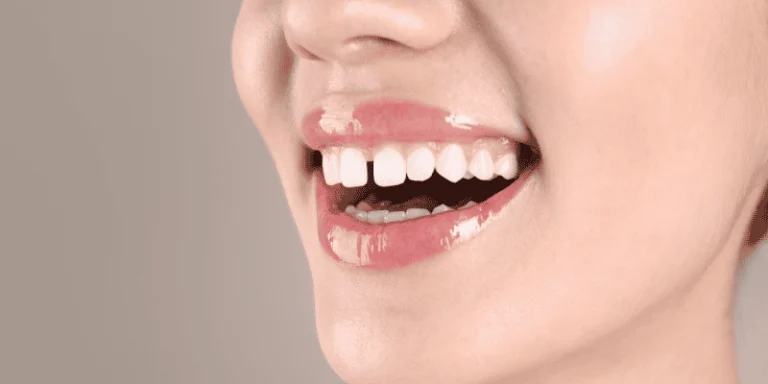
You can get a straighter-looking smile without months in braces in some cases.
Veneers for crooked teeth can mask minor overlap, gaps, and mild rotations quickly, giving you a natural, even appearance when orthodontics aren’t necessary or wanted.
Talk with a dentist about your alignment goals and tooth health, because veneers are most effective for certain types of crooked teeth and may not address bite or major crowding issues.
When used correctly, veneers offer a fast, cosmetic way to improve the look of mildly crooked teeth while avoiding long orthodontic treatment.
Learn what makes you a good candidate, how the veneer process works, and when braces or aligners remain the better choice so you can choose the option that fits your goals and timeline.
Key Takeaways
- Veneers can quickly improve the look of mildly crooked teeth.
- A dental exam determines if veneers or orthodontics suit your situation.
- Consider benefits, limits, and costs before choosing a cosmetic path.
Understanding Veneers for Crooked Teeth
Veneers change how your front teeth look without moving them. They come in two main types with different costs, lifespans, and prep needs that affect whether they suit your smile.
What Are Veneers?
Veneers are thin shells bonded to the front of your teeth to change shape, color, and size. They cover visible flaws like rotation, small gaps, or uneven edges. Dentists most often use veneers on the upper front six to eight teeth where appearance matters most.
Getting veneers usually starts with a consultation, digital photos, and impressions or scans. Your dentist will check tooth health and bite. Some enamel may be removed to make space for the veneer so it looks natural and fits with adjacent teeth.
Veneers are a cosmetic dentistry option, not an orthodontic one. They do not move teeth or alter roots. If your crooked teeth affect chewing or cause pain, orthodontics may be a better first step.
Porcelain vs. Composite Veneers
Porcelain veneers are thin ceramic shells made in a dental lab. They resist stains, mimic natural enamel, and last 10–15 years or more with good care. Porcelain requires more tooth removal and a few visits: preparation, temporary veneers, then final bonding.
Composite veneers use tooth-colored resin placed and shaped directly on your teeth. They cost less and can be done in one visit. Composite is easier to repair but stains and wears faster, often needing replacement in 5–7 years.
Choose porcelain for durability and a very natural look. Choose composite if you want a lower cost, quicker treatment, or a reversible option. Discuss both with your dentist, including price, expected lifespan, and how much tooth preparation each will need.
How Veneers Work for Crooked Teeth
Veneers mask mild crookedness by reshaping the tooth surface. For mildly rotated or slightly crowded front teeth, a veneer can widen, slim, or lengthen a tooth to create a straighter appearance. Your dentist will plan contours so adjacent teeth and your bite still meet correctly.
If teeth are heavily overlapped or the bite is off, veneers can create bulk or worsen function. In those cases, orthodontics or clear aligners should correct position first. Sometimes your dentist will combine minor orthodontic movement with veneers to get the best look and function.
Preparation includes checking gum health, removing decay, and possibly contouring enamel. After veneers bond in place, you’ll need good oral hygiene and regular dental visits to keep them looking and working well.
Who Is a Good Candidate for Veneers Instead of Braces?
Veneers can work well when you want a faster cosmetic fix for small alignment issues, stained teeth, or chips. They do not move teeth; they cover the front surface to change shape, color, and apparent position.
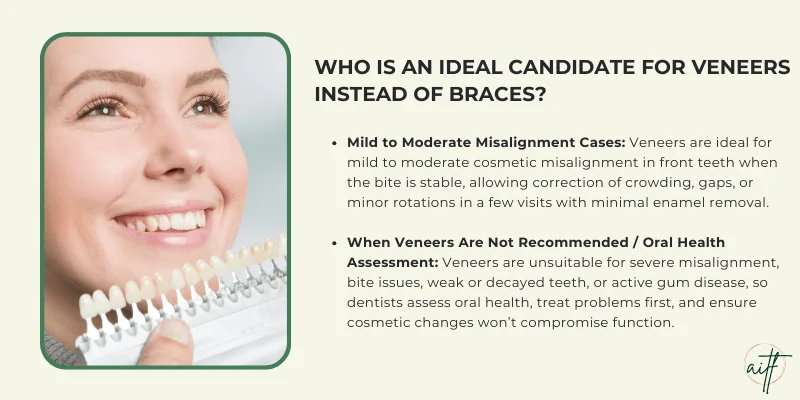
Mild to Moderate Misalignment Cases
You’re a good candidate if your teeth show mild to moderate misalignment only in the visible front teeth. Veneers can mask slight crowding, small gaps, and minor rotations so your smile looks straight without long orthodontic treatment.
Dentists commonly use veneers when misaligned teeth do not affect your bite or chewing. If your bite is stable and the crookedness is mostly cosmetic, veneers let you fix shape, color, and size in two or three visits.
Expect to remove a thin layer of enamel to fit the veneer. This step is permanent, so your dentist will discuss long-term care and replacement needs. Ask about porcelain versus composite options and how each handles staining and wear.
When Veneers Are Not Recommended
Veneers are not the right choice if you have severe misalignment, major crowding, or bite problems that affect chewing or jaw pain. In those cases, braces or clear aligners treat the root problem by moving teeth into healthier positions.
If your teeth are weak from decay, have large fillings, or you grind your teeth heavily, veneers may fail sooner. Severe enamel loss or active gum disease also makes veneers risky until you get dental treatment first.
If you want to “fix crooked teeth” long-term and improve function, your dental professional may recommend orthodontics instead. Always get a full exam before deciding.
Discover how veneers for crooked teeth can improve alignment and appearance. Contact our dental team at Evansville, IN, to learn whether veneers are right for your smile goals.
Oral Health and Pre-Treatment Assessment
Before veneers, your dentist will check for cavities, gum disease, and tooth wear. You must have good oral health because veneers seal and rely on healthy teeth and gums.
Expect X-rays and possibly digital scans to evaluate root health and bone support. Your dentist will measure bite alignment to confirm the crookedness is mainly cosmetic, not structural.
If needed, your dentist will treat decay, replace failing fillings, or address gum disease first. They will explain enamel removal, how much will be taken, and show mock-ups so you see likely results before any irreversible work begins.
Comparing Veneers, Braces, and Other Options
Veneers change the look of teeth quickly. Braces and aligners move teeth over time. Other cosmetic fixes can mask small gaps or chips without moving teeth.
Veneers vs. Traditional Braces
Veneers cover the front of your teeth to hide crookedness, chips, and stains. You can get a finished smile in two to three visits, and each veneer lasts many years with proper care. Veneers do not move teeth or fix bite problems, so they are not a good choice if your teeth cause chewing pain or jaw issues.
Traditional metal braces use brackets and wires to move teeth into place. Braces treat crowding, bites, and big alignment problems that veneers cannot fix. Treatment often takes 12–24 months or longer.
You must wear brackets and adjust them regularly, but braces give a lasting, structural change.
Choose veneers if you want fast cosmetic results and your bite is fine. Choose braces if you need real tooth movement, long-term alignment, or bite correction.
Veneers vs. Clear Aligners and Invisalign
Clear aligners and Invisalign shift your teeth using a series of removable trays. They treat mild to moderate crooked teeth and can improve bite alignment in many cases. Aligners require disciplined daily wear—usually 20–22 hours—and replacement every one to two weeks. Results appear over months rather than days.
Veneers give instant straight-looking teeth without the daily routine of trays. They work best for small misalignments or when you also want to change tooth color and shape. If you want to straighten teeth without braces and have time to commit, clear aligners can be the conservative option.
If you need a quick cosmetic fix and don’t need movement, veneers may suit you better.
Dental Bonding and Other Cosmetic Alternatives
Dental bonding uses tooth-colored resin to reshape and fill gaps. It’s cheaper and quicker than veneers and often done in one visit. Bonding suits small chips, minor gaps, or slight crookedness, but it stains more easily and lasts less time than veneers.
Other options include lingual braces (brackets behind teeth) and porcelain crowns for heavily damaged teeth. Lingual braces hide hardware while providing true orthodontic movement. Crowns replace large parts of a tooth when structure is weak.
If you want to fix crooked teeth without braces, ask your dentist about bonding, veneers, or clear aligners depending on how much movement or cosmetic change you need.
The Veneers Process: Step-by-Step
You will meet with a dental professional, choose the right veneer type, and decide how much enamel needs removal before you get custom veneers bonded. The next parts explain what happens at each key visit and what you should expect.
Consultation and Planning
At your first visit, the cosmetic dentist checks oral health: gums, existing fillings, and any tooth decay. Expect X-rays and photographs so the dentist can map tooth positions and bite. Bring photos of smiles you like. This helps the dentist choose veneer shapes and shades that suit your face.
You’ll discuss options: porcelain, composite, or no‑prep veneers. The dentist will tell you if veneers alone will work for your crooked areas or if limited orthodontics is needed first. Ask about costs, lifespan, and whether temporary veneers will be used.
The team may use digital smile design or a wax‑up to preview results. Request a written treatment plan that lists appointments, enamel removal estimates, and aftercare instructions.
Tooth Preparation and Enamel Removal
On preparation day, the dentist numbs the area if needed. They remove a thin layer of enamel—usually 0.3–0.7 mm for porcelain—to create space for the veneer. This step helps the final shape sit flush with adjacent teeth and keeps your bite natural.
If you qualify for minimal‑prep or no‑prep veneers, the dentist will explain why less removal is possible. Temporary veneers may be placed while the lab makes the permanent pieces. Keep in mind enamel removal is irreversible, so clear consent and a plan matter.
After preparation, the dentist takes precise digital or physical impressions. These records guide the lab in making veneers that match your bite, size, and chosen shade.
Custom Veneer Creation and Placement
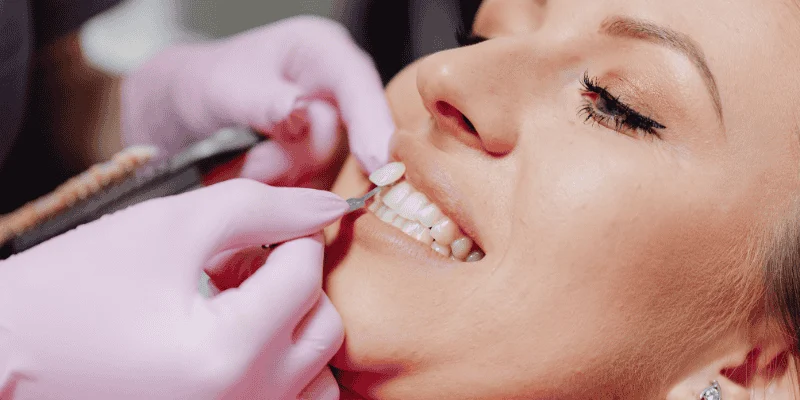
A dental laboratory crafts your veneers to match the shape, color, and translucency chosen during planning. Porcelain usually takes 1–2 weeks; composite can be done the same day in some offices. The lab will follow the dentist’s specifications from the wax‑up or digital design.
At placement, the dentist tests fit and shade, making small adjustments. Teeth are cleaned and etched to help the bonding cement adhere. The veneer is bonded with resin cement and cured with a light. The dentist checks your bite and trims any high spots.
You’ll get care instructions: use non‑abrasive toothpaste, avoid biting hard objects, and wear a nightguard if you grind your teeth. Schedule follow‑ups so your cosmetic dentist can check the bond and polish the veneers as needed.
Learn how the cosmetic dentistry team at All in The Family Dental uses veneers for crooked teeth to create natural-looking, confident smiles.
Benefits and Limitations of Veneers for Crooked Teeth
Veneers can change how your teeth look, how long treatment takes, and what you must do to care for them. They offer fast cosmetic fixes but also bring maintenance tasks and future replacement needs.
Aesthetic Results and Smile Makeovers
Veneers let a cosmetic dentist reshape your front teeth to hide mild crowding, gaps, or rotated teeth. You can pick tooth shade, length, and width so your smile makeover matches your face and skin tone.
Veneers cover the visible front surface, so they mask small misalignments without moving teeth. This works best when misalignment is minor and bite problems are absent. If teeth sit far behind or are severely crowded, veneers may not give a natural result or could require more aggressive tooth reduction.
Expect an immediate visual change after placement. A skilled dentist will design veneers to look proportionate, but overly wide or thick veneers can feel bulky and harm your bite. Discuss shape options and see mock-ups before you commit.
Treatment Speed and Duration
Veneers typically take a few visits over 2–6 weeks from planning to placement. You’ll usually have an initial consult, tooth preparation and impressions, then final bonding. This is much faster than braces or aligners, which often need 6–24 months.
Because of the shorter treatment duration, veneers suit people who want quick cosmetic results for events or work. If your case needs orthodontic correction first, expect more time: some dentists combine brief tooth movement with later veneers to get both function and aesthetics.
Ask your cosmetic dentist for a clear timeline before you start.
Long-Term Oral Hygiene and Maintenance
You must keep excellent oral hygiene to protect both your natural teeth and veneers. Brush twice daily with a non-abrasive toothpaste and floss daily to prevent decay at the veneer margins. Regular dental checkups and cleanings let your dentist catch early problems.
Avoid biting very hard objects and limit staining foods and drinks to keep veneers looking good. While porcelain resists stains, the exposed natural tooth edges can discolor if not cared for. If you grind your teeth, a night guard reduces chipping risk and protects your investment.
Durability and Replacement Considerations
Porcelain veneers last roughly 10–15 years with good care, though lifespan varies by bite forces and habits. Composite veneers have a shorter life and may need repairs sooner. When veneers fail due to chips or decay at the margin, options include repair, replacement, or crown coverage.
Replacing veneers usually means more tooth preparation. Plan for future maintenance costs. If you want a long-term solution, discuss material choices, the state of your bite, and protective steps with your cosmetic dentist to reduce the chance of early failure.
Costs, Risks, and Choosing the Right Path
Veneers and orthodontics differ in price, time, and long-term effects. You’ll weigh short-term convenience against lifetime maintenance and how each option affects tooth structure and bite.
Cost Comparison with Braces and Aligners
Porcelain veneers usually cost between $900 and $2,500 per tooth, depending on lab quality and your dentist’s experience. Composite veneers run lower, often $250–$1,500 per tooth, but may need replacement sooner.
Traditional braces and clear aligners spread cost over full-mouth alignment. Braces often range $3,000–$7,500 for a full course. Clear aligners (like Invisalign) commonly cost $3,000–$8,000.
If you only need cosmetic front-tooth work, veneers can be less expensive than full orthodontic treatment. But if many teeth need moving, braces or aligners are often more cost-effective and better for bite health.
Check whether your plan covers any portion and ask your dentist about payment plans, FSAs/HSAs, or financing. Get a written estimate that lists lab fees, temporary restorations, and follow-up visits.
Potential Risks and Irreversibility
Veneers require enamel removal, so the change is permanent for most porcelain and many composite cases. Once your teeth are reduced, you’ll likely need replacements or crowns later in life. That makes choosing materials and a skilled cosmetic dentist critical.
Risks include tooth sensitivity, color mismatch over time, veneer chipping, and gum irritation. Poorly planned veneers can worsen bite forces and make cleaning between crowded teeth harder.
Orthodontic treatments move teeth without removing enamel and reduce long-term wear in many cases, but they take longer and can cause temporary discomfort or root movement in rare situations.
If you grind your teeth, you’ll need a nightguard regardless of choice. Discuss long-term maintenance costs—veneers may need replacement every 10–15 years (porcelain) or sooner (composite).
Selecting a Qualified Cosmetic Dentist
Choose a cosmetic dentist who shows before-and-after photos of cases like yours and who works with a trusted dental lab. Look for dentists with cosmetic training, memberships in professional groups, or advanced continuing-education in veneers and smile design.
Ask about the dentist’s process: digital mock-ups, wax-ups, and try-in temporaries reduce surprises. Confirm they assess your bite and coordinate with an orthodontist when needed.
Request a clear treatment plan that explains enamel removal, material choices (porcelain vs. composite), warranty or repair policies, and total projected costs.
Get a second opinion if the plan recommends aggressive tooth reduction. A skilled team will prioritize conservative tooth preparation and long-term oral health as much as appearance.
Ready to improve crooked teeth without braces? Contact All In The Family Dental to explore veneer options tailored to your lifestyle and comfort.
Frequently Asked Questions
Veneers can change the shape, color, and visible alignment of your front teeth. They work best for small cosmetic shifts, not for major bite or jaw problems.
Are veneers a viable option for correcting misaligned teeth?
Veneers can mask mild to moderate misalignment by reshaping the front surfaces of your teeth. They do not move teeth, so they won’t fix bite issues or large crowding.
Your dentist will evaluate tooth position, gum health, and bite function before recommending veneers. If your misalignment affects chewing or causes jaw pain, orthodontics is likely a better choice.
What are the advantages of choosing veneers over orthodontic treatments?
Veneers give fast cosmetic results, often in two visits, and improve color and shape at the same time. You avoid months or years of wearing braces or aligners.
Veneers can hide small gaps, chips, and slight rotations. They are not reversible and can be more costly per tooth than some orthodontic options.
How does the process of getting veneers work if my teeth aren’t straight?
Your dentist will take photos, X-rays, and impressions to plan the look. They may lightly reshape enamel and place temporary veneers before fitting the final porcelain shells.
The final veneers are bonded to the front of your teeth to change size and angle visually. Expect 1–3 appointments over a few weeks for planning and placement.
Can dental veneers improve my smile without the need for braces?
Yes, veneers can improve the look of a smile that has mild unevenness or small gaps. They give immediate cosmetic alignment without moving teeth.
If your teeth are severely rotated, crowded, or cause functional problems, veneers alone will not provide a healthy long-term solution. Your dentist may recommend orthodontics first in those cases.
What should I consider before deciding on veneers for my crooked teeth?
Consider how much enamel must be removed, the cost per tooth, and that veneers are a permanent change. Check for gum disease, decay, or grinding, since these issues affect success.
Ask to see a digital mockup or temporary veneers so you can preview the result. Also confirm how often you’ll need checkups and possible future replacement.
How long do veneers last compared to traditional braces?
Porcelain veneers typically last 10–15 years with good care, though some last longer. Braces and aligners are not permanent restorations; they move teeth and the results can last a lifetime if you wear retainers.
Orthodontic treatment time ranges from months to a few years depending on complexity. Consider long-term maintenance: veneers may need replacement, while orthodontics may need retainers to keep teeth in place.