If you’re thinking about getting your teeth professionally whitened, you probably want to know how often it’s safe to do so. Most dentists recommend waiting six to twelve months between professional whitening treatments to protect your enamel and avoid sensitivity.
Whitening too often can weaken your teeth, so spacing out treatments is important for your dental health. Professional teeth whitening uses stronger bleaching agents than at-home kits, which makes the timing more critical.
Your lifestyle and habits, like drinking coffee or smoking, can affect how long results last and how often you might want to refresh your smile. Knowing the right schedule helps you keep a bright smile without causing harm.
Key Takeways
- Professional whitening treatments should be spaced six to twelve months apart.
- Your habits and dental health affect how often you need whitening.
- Following safe whitening schedules helps protect your enamel and sensitivity.
Table of Content
- What Is Professional Teeth Whitening?
- How Often Should You Whiten Your Teeth?
- Key Factors That Influence Whitening Frequency
- Risks and Side Effects of Frequent Whitening
- Safe Maintenance and Prolonging Your Whitening Results
- Frequently Asked Questions
What Is Professional Teeth Whitening?
Professional teeth whitening is a dental treatment designed to brighten your smile using stronger whitening agents than those found in store-bought products. These treatments target stains and discoloration safely and effectively, giving better and faster results.
You’ll learn about different methods used in-office, how whitening products work on your teeth, and what sets professional whitening apart from at-home options.
In-Office Whitening Methods
In-office whitening happens at the dentist’s office and usually takes less than an hour. Your dentist applies a high-strength bleaching gel to your teeth, often with hydrogen peroxide or carbamide peroxide as the active ingredients.
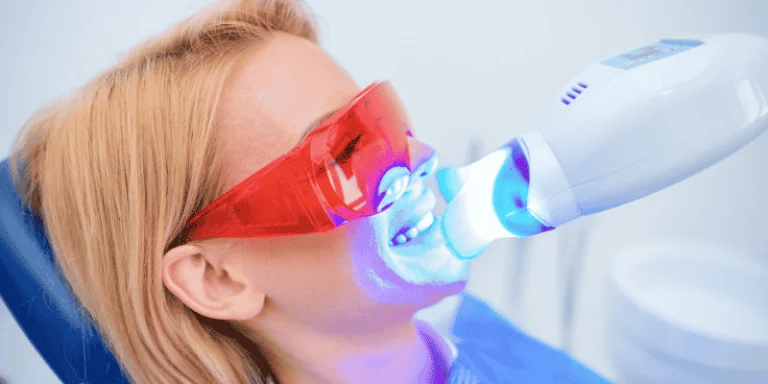
Sometimes a special light or laser is used to speed up the whitening process. Your teeth are protected during treatment with gum shields to prevent irritation.
Dentists may use custom trays that fit your teeth exactly, ensuring even coverage of the bleaching agent. This helps achieve a uniform, bright smile while minimizing sensitivity.
Studies show that in-office treatments using 35% hydrogen peroxide achieve highly noticeable whitening results that remain stable even after one year, highlighting the long-lasting effectiveness of professional care.
The results you get from in-office whitening are faster and more noticeable compared to other treatments.
How Whitening Treatments Work
Whitening treatments work by breaking apart stain molecules in the outer layer of your teeth called enamel. Bleaching agents penetrate the enamel and chemically react with these stain molecules, making them colorless or less visible.
Hydrogen peroxide is the main bleaching agent used professionally because it penetrates enamel deeply yet is safe when supervised by a dentist. Carbamide peroxide breaks down into hydrogen peroxide and works similarly but more slowly.
Whitening does not change the structure of your teeth. It targets the stains caused by foods, drinks, tobacco, and aging.
Difference Between Professional and At-Home Whitening
Professional whitening uses stronger bleaching agents than most at-home kits, so it offers quicker and more dramatic results. Your dentist customizes the treatment based on your oral health and the amount of staining.
At-home whitening kits often have lower peroxide levels and require daily use for several weeks to see a change. These usually come as strips, gels, or trays that might not fit as well as professional custom trays, which can affect results.
Professional whitening is also safer because dentists monitor your gums and teeth to avoid damage or irritation. At-home kits carry a higher risk of misuse, which can cause sensitivity or uneven whitening.
By choosing professional whitening, you get expert care and a treatment that’s tailored just for you, helping keep your teeth healthy while brightening your smile.
Ready to achieve a brighter, healthier smile? Schedule an appointment with us at our Evansville, IN office today and see the difference professional care can make.
How Often Should You Whiten Your Teeth?
Knowing how often to whiten your teeth can help you keep your smile bright without causing damage. The timing depends on the method you use and your personal habits.
Some people need touch-ups more often, while others can wait longer between full treatments.
Recommended Whitening Frequency
For professional teeth whitening, most dentists suggest waiting 6 to 12 months between sessions. This gap lets your enamel recover and lowers the risk of sensitivity or damage.
Whitening treatments usually use stronger bleaching agents than at-home kits, so it’s important not to overdo them. At-home whitening kits should be used less often, roughly every 3 to 6 months, depending on product instructions and your tooth sensitivity.
Whitening toothpaste can be used daily but usually only removes surface stains and doesn’t lighten your natural tooth color.
Factors Affecting Whitening Intervals
How often you need to whiten your teeth depends on several things. If you drink coffee, tea, red wine, or soda regularly, your teeth will stain faster, meaning you might need more frequent whitening.
Smoking also causes deep discoloration and may require extra treatments. Tooth sensitivity is another key factor.
If your teeth feel painful or sensitive after whitening, you should extend the time between sessions or use a desensitizing toothpaste. Your overall dental health matters too.
Avoid whitening if you have cavities or gum disease because these can worsen with bleaching.
Touch-Ups Versus Full Treatments
Touch-ups are shorter whitening sessions that help maintain color after a full treatment. You might use whitening strips or gels every few months to refresh your smile without a full professional session.
Full professional whitening sessions use stronger gels and take longer but give more dramatic results. Since these treatments are more intense, you should only do them once or twice a year.
Using touch-ups appropriately can extend the time you go between full professional whitening sessions. It’s important to follow your dentist’s advice to avoid over-bleaching, which can wear down enamel.
For safe and effective whitening, contact us at our Evansville, IN office today.
Key Factors That Influence Whitening Frequency

How often you whiten your teeth depends on several important things about your mouth and lifestyle. These factors help decide the best timing to keep your smile bright without hurting your teeth or gums.
Personal Oral Health Considerations
Your oral health is the first thing your dentist will check before recommending how often you should whiten your teeth. If you have weak enamel, gum disease, or sensitive teeth, whitening too often can cause pain or damage.
Good oral hygiene, like brushing twice a day and flossing daily, strengthens your teeth and helps keep stains away longer. If you have cavities or gum problems, you should fix those before whitening.
Always talk to your dentist about any tooth sensitivity or irritation you feel during or after whitening. They may suggest waiting longer between treatments or different options that are gentler on your teeth.
Impact of Diet and Habits
What you eat and drink affects how quickly your teeth stain after whitening. Drinks like coffee, tea, red wine, and dark sodas can make stains reappear faster, meaning you might need whitening more often.
If you smoke or use tobacco products, your teeth can yellow sooner too. Avoiding these can help your whitening last longer.
To slow down staining, try rinsing your mouth or brushing your teeth soon after consuming stain-causing foods or drinks. This habit can reduce the number of whitening sessions you need.
Previous Whitening History
How often you have whitened your teeth in the past matters a lot. Frequent whitening without breaks can wear down the enamel and cause sensitivity.
Professional whitening treatments usually need to be spaced out by about six months. If you use at-home kits, follow the instructions carefully and avoid repeating treatments too soon.
If your teeth still look stained after recommended treatments, see your dentist. They can check if there’s a deeper issue or suggest a different whitening method that fits your needs better.
Risks and Side Effects of Frequent Whitening
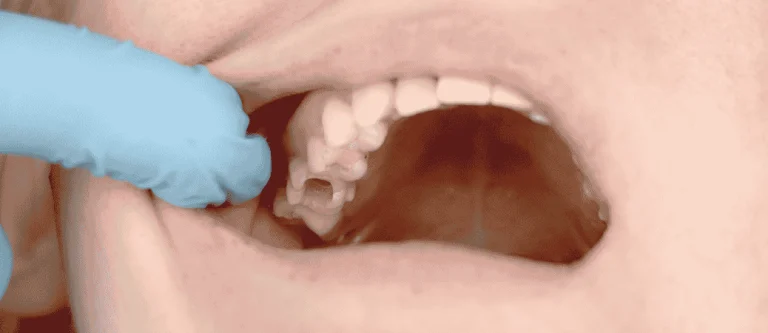
Using teeth whitening treatments too often can cause several issues. You might notice increased tooth sensitivity, damage to your enamel, or irritation in your gums.
It’s important to understand these signs to protect your oral health while keeping your smile bright.
Tooth Sensitivity and Enamel Damage
When you whiten your teeth frequently, the bleaching agents can make your teeth sensitive. This happens because the peroxide in whitening products can temporarily weaken your enamel and reach the nerves inside your teeth.
Sensitivity feels like sharp pain when eating hot or cold food. Usually, it goes away after a few days, but if you keep whitening too much, the sensitivity can last longer or get worse.
Frequent whitening can also wear down your enamel, which is the hard layer that protects your teeth. Once enamel gets damaged, your teeth become more vulnerable to decay and stains.
To avoid this, it’s best to wait several months between whitening treatments and follow your dentist’s advice.
Gum Irritation Signs
Whitening gels and strips can sometimes come into contact with your gums. If this happens often, it could cause irritation, redness, or even small chemical burns on the soft tissues.
Gum irritation might feel like itching, soreness, or burning. If the product doesn’t fit well or you leave it on too long, the risk of irritating your gums increases.
To protect your gums, try to use whitening products designed to fit your teeth or get professional treatments where the dentist uses barriers to shield your gums. If you notice any discomfort, stop whitening and talk to your dentist.
Recognizing Over-Whitening
Over-whitening occurs when you use teeth whitening products too frequently or for too long. It can make your teeth look translucent or see-through, which happens because the enamel thins out.
When enamel thins, the yellow layer under your teeth (called dentin) becomes visible. This can make your smile look uneven or unnatural.
Signs of over-whitening include longer-lasting sensitivity, a glassy or shiny tooth surface, and uneven tooth color.
To prevent over-whitening, follow the instructions on your whitening products, avoid more than two whitening sessions a year, and consult your dentist before starting.
Safe Maintenance and Prolonging Your Whitening Results
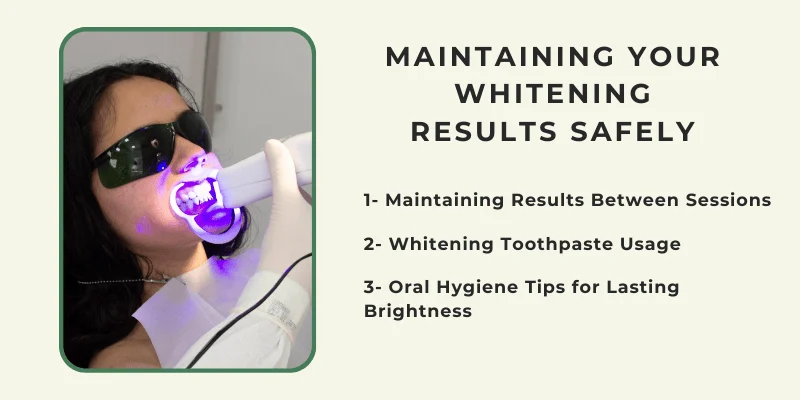
Keeping your teeth white after professional whitening takes care and smart habits. Small changes in how you clean your teeth and what products you use can help your bright smile last longer.
Maintaining Results Between Sessions
To keep your teeth white, avoid foods and drinks that stain, like coffee, red wine, and dark berries. If you do enjoy these, try using a straw or rinsing your mouth with water afterward.
It helps lessen contact with your teeth. Using custom trays for touch-up whitening at home can help maintain your results safely.
These trays fit your mouth perfectly and make applying the bleaching gel easy and effective without overuse. Remember, professional whitening results usually last 6 months to 2 years.
How long yours lasts depends on how well you take care of your teeth in between sessions.
Whitening Toothpaste Usage
Whitening toothpaste can be helpful but it works slowly. It usually contains mild abrasives or gentle chemicals to remove surface stains.
Use it regularly to keep new stains from building up. Be careful not to choose toothpaste with harsh abrasives, as these can damage your enamel over time.
Look for ones labeled as “safe for sensitive teeth” to avoid tooth sensitivity. Whitening toothpaste is not a substitute for professional whitening but a good way to keep your smile bright between treatments.
Using these pastes daily can extend the time before you need another whitening session.
Oral Hygiene Tips for Lasting Brightness
Stick to a solid oral hygiene routine: brush twice a day and floss daily. Use a soft-bristled toothbrush to protect your enamel.
Brushing right after meals helps remove food particles that cause stains. Rinsing with water or an alcohol-free mouthwash after eating or drinking stains also helps keep your teeth bright.
Avoid smoking or tobacco, as these can quickly undo whitening results. Visiting your dentist regularly for cleanings will keep your teeth healthy and free from stains.
Dentists can also recommend products like professional-strength toothpaste or rinses to protect your whitening results.
Keep your bright smile lasting longer. Book an appointment with us in Evansville, IN.
Frequently Asked Questions
Using whitening products too often can hurt your teeth or cause sensitivity. Knowing the safe limits and how to use each method is important to keep your smile healthy and bright.
How often is it safe to use whitening strips on my teeth?
You can usually use whitening strips once every 4 to 6 weeks. Using them more often might make your teeth sensitive or damage the enamel.
What’s the recommended frequency for using LED light teeth whitening?
LED light treatments should be spaced at least 4 to 6 weeks apart. This helps your teeth recover and avoids long-term discomfort.
How regularly can I whiten my teeth using whitening gel?
Whitening gels are best used every few weeks, depending on the strength. Professional advice usually suggests waiting 4 to 6 weeks between treatments to protect your enamel.
What’s a good routine for at-home teeth whitening?
Brush twice daily, floss regularly, and avoid foods that stain, like coffee and red wine. Use whitening products as directed, usually no more than once a month, to keep your teeth healthy and bright.
Is it safe to whiten my teeth with blue light, and how often can it be done?
Blue light whitening is safe when done properly. It should only be done every 4 to 6 weeks.
Overuse can lead to tooth sensitivity or enamel thinning.
What guidelines should I follow for using teeth whitening trays frequently?
Use whitening trays as recommended, often once every 6 to 12 months for professional treatments.
Avoid overuse to reduce the risk of sensitivity and keep your enamel strong.