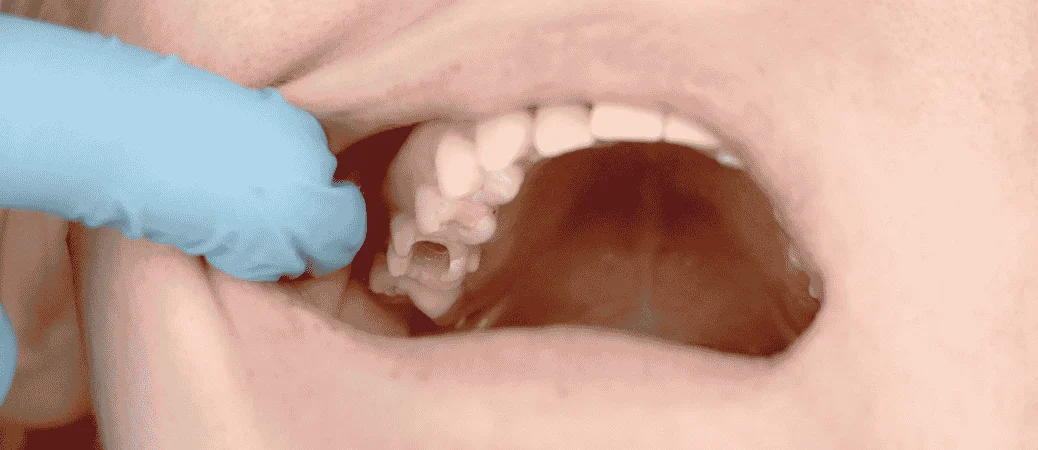
A cavity that sits untreated for years does not just stay the same size. It keeps growing, and it can lead to bigger problems like infection, tooth loss, and expensive dental work.
Many people put off treatment because a cavity does not always hurt at first. But tooth decay never fixes itself, and waiting can turn a small problem into a much bigger one.
If you’re wondering what happens if you ignore a cavity, the damage can gradually spread from the enamel into deeper parts of the tooth, eventually causing pain or infection.
Real patients often report pain that comes and goes, sensitivity that gets worse, and even swelling that shows up out of nowhere.
Understanding these outcomes can help you know when it is time to see a dentist instead of waiting it out.
This article walks you through how untreated cavities change over time, what symptoms to watch for, and when a cavity becomes a dental emergency.
You will also learn about treatment options if you have waited a long time, how this can affect your overall health, and simple steps to protect your smile going forward.
Key Takeaways
- Untreated cavities grow deeper into your tooth and rarely stay the same size.
- Warning signs often get worse over time and can include pain, swelling, and infection.
- Catching decay early keeps treatment simpler, more affordable, and better for your oral health.
Table of Content
- How Long-Term Decay Moves Through a Tooth
- Symptoms That Often Worsen Over Time
- Infection, Abscesses, and Urgent Warning Signs
- Treatment Options After Years of Delay
- Lasting Effects on Your Mouth and Overall Health
- How to Stop Future Cavities Early
- Frequently Asked Questions
How Long-Term Decay Moves Through a Tooth
Tooth decay does not happen overnight. It moves through your tooth in stages, starting on the hard outer surface and slowly working its way toward the nerve if nothing stops it.
From Demineralisation to Enamel Breakdown
Your tooth enamel is made of a mineral called hydroxyapatite. This mineral makes enamel hard, but it can still be worn down by acid.
Every time you eat sugary or acidic foods and drinks, plaque on your teeth produces acid. This acid pulls minerals out of your enamel in a process called demineralisation.
Your saliva helps fight back by washing away food and adding minerals back to your teeth. But if acid attacks happen too often, your saliva cannot keep up.
Over time, weak spots turn into small holes. This is where a cavity actually begins to form, starting on the enamel surface.
Early cavity treatment at this stage is usually simple, since the physical destruction of enamel from acid-producing bacteria has not spread deep yet.
Why Decay Spreads Faster Through Dentin
Once decay breaks through the enamel, it reaches a softer layer called dentin, sometimes spelled dentine. Dentin has tiny tubes that lead straight to the center of your tooth.
This layer is much softer than enamel, so decay moves through it faster. You may start to notice sensitivity to hot, cold, or sweet foods at this point.
Left untreated, decay can progress through the layers of your tooth, moving from enamel into dentin and getting closer to the pulp with each passing month.
This stage is often where advanced decay starts to feel more painful and harder to ignore.
When the Pulp Chamber Becomes Involved
The pulp chamber sits in the center of your tooth. It holds nerves and blood vessels that keep your tooth alive.
Once decay reaches this area, you are dealing with pulp involvement. This often causes sharp or constant pain, along with swelling or sensitivity to pressure.
At this stage, bacteria can infect the pulp itself. This may lead to an abscess, which is a pocket of infection at the root of your tooth.
Without treatment, untreated tooth decay can lead to serious infection or tooth loss.
What started as a small area of decay can turn into severe pain and a much bigger dental problem if you wait too long to see a dentist.

Symptoms That Often Worsen Over Time
Cavity progression rarely stays the same. As decay spreads deeper into your tooth, you’ll likely notice new symptoms and existing ones getting stronger.

Sensitivity to Cold, Heat, and Sweets
At first, tooth sensitivity might only show up once in a while. Maybe your tooth aches a bit after a sip of ice water or a bite of ice cream.
Over time, this reaction tends to grow. As the cavity moves past your enamel and into the dentin layer, the nerve inside your tooth becomes more exposed to temperature changes and sugar.
You may find yourself avoiding certain foods and drinks just to skip the discomfort.
This sensitivity can also start lasting longer after you eat or drink something, instead of fading quickly like it used to.
Persistent Toothache and Pain When Chewing
A dull ache can turn into constant tooth pain as your untreated cavity gets bigger. Chewing might become harder, especially on the side where the cavity is located.
You could notice sharp pain when you bite down, or a throbbing feeling that doesn’t go away, even with pain relievers.
This often means the decay has reached the inner pulp of your tooth, where nerves and blood vessels live.
At this stage, the toothache may show up even when you’re not eating. Some people report pain that spreads to the jaw or ear, which can signal a dental infection that needs quick attention.
Visible Damage, Trapped Food, and Bad Breath
You might start to see physical changes in the tooth itself. Look for dark spots, small holes, or areas where the tooth surface looks rough or broken.
Food can get stuck more easily in these spots, which makes brushing and flossing harder.
This trapped food adds to bacteria buildup, which often leads to bad breath that doesn’t go away with mouthwash alone.
You may also notice a bad taste in your mouth, especially if the decay leads to an abscess or infection.
These visible and noticeable signs usually mean the cavity has grown large enough that it’s affecting more than just the tooth structure.
Infection, Abscesses, and Urgent Warning Signs
When a cavity reaches the inner part of your tooth, bacteria can cause pain that gets much worse than a simple ache.
Your body may also send clear signals, like swelling or fever, that tell you it’s time to get help right away.
Pulpitis and Nerve Damage
Deep inside your tooth is a soft area called the pulp. It holds nerves and blood vessels that keep your tooth alive.
When a cavity reaches the pulp, it causes an infection called pulpitis. This can hurt a lot, especially when you eat something hot, cold, or sweet.
Early pulpitis might heal with quick treatment. But once the nerve tissue dies, pulp involvement becomes permanent damage.
At this point, the tooth cannot heal itself. You’ll likely need a root canal treatment to clean out the dead tissue and save the tooth.
Waiting too long can mean losing the tooth altogether.
How a Dental Abscess Develops
Once the pulp dies, bacteria don’t just disappear. They multiply and look for a way out, often forming a pocket of pus called a dental abscess.
This happens because your immune system tries to fight the infection by walling it off. The pus builds up pressure inside your gum or jawbone, which is why abscesses hurt so much.
You might notice:
- A bump on your gum that looks like a pimple
- A bad taste in your mouth if it drains on its own
- Swelling in your face or jaw
- Pain that spreads to your ear or neck
A dental infection at this stage won’t go away with antibiotics alone. You need a dentist to drain it and treat the tooth, usually with root canal therapy or an extraction.
When Swelling or Fever Needs Urgent Care
Most tooth pain can wait for a regular appointment. But some symptoms mean you need care the same day.
Call your dentist or go to an emergency room right away if you have:
| Warning Sign | Why It Matters |
| Fever above 101°F | Shows the infection has spread beyond the tooth |
| Facial swelling that’s growing | Can affect your airway if left untreated |
| Trouble swallowing or breathing | A sign of a serious medical emergency |
| Swelling under your tongue or jaw | May signal a dangerous infection called Ludwig’s angina |
These signs mean the infection has moved past your tooth and into deeper tissue. Don’t wait to see if it gets better on its own, because it won’t.
Treatment Options After Years of Delay
The right treatment for a neglected cavity depends on how much of your tooth structure is left and whether the nerve has been affected.
Your dentist will choose between a filling, a crown, a root canal, or an extraction based on the extent of the damage.
When a Dental Filling or Crown Can Still Save the Tooth
If enough healthy tooth structure remains, a simple filling might still work even after years of neglect.
Your dentist will remove the decayed material and fill the space with a durable material like composite resin.
When the cavity has eaten away more of the tooth, a filling alone may not hold up. In that case, your dentist may recommend a dental crown instead.
A crown covers the entire visible part of your tooth, giving it strength and protecting it from further breakdown.
Choosing early cavity treatment whenever possible keeps your options simpler and your costs lower.
What Root Canal Treatment Involves
Once decay reaches the pulp, the soft tissue inside your tooth that contains nerves and blood vessels, a filling or crown alone won’t fix the problem.
This is when your dentist will likely recommend root canal treatment.
During root canal therapy, your dentist removes the infected pulp, cleans out the inside of the tooth, and seals it to stop bacteria from spreading.
A crown is usually placed afterward to protect the weakened tooth. Most patients feel little to no pain during the procedure since local anesthesia is used throughout.
This treatment is often your best chance to keep your natural tooth instead of losing it.
Extraction and Replacing a Missing Tooth
If advanced decay has destroyed too much of the tooth to save, extraction becomes the only option. Your dentist will numb the area and remove the tooth, which usually takes just a few minutes.
Tooth loss doesn’t have to be permanent, though. You can replace the missing tooth with a dental implant, a bridge, or a removable denture depending on your needs and budget.
A dental implant is the most effective option for replacing a missing tooth, depending on your oral health, bone support, and treatment needs.
Dentures and bridges are also solid choices, especially if you’re missing several teeth or prefer a less invasive option.
Lasting Effects on Your Mouth and Overall Health
When you leave a cavity untreated for years, the damage doesn’t stay in one spot. It can change the shape of your jaw, affect how you eat and sleep, and even put your overall health at risk.
Jawbone Changes and Shifting Teeth After Tooth Loss
Losing a tooth to decay does more than leave a gap in your smile. Your jawbone needs the pressure from chewing to stay strong, and without a tooth root to stimulate it, the bone starts to shrink.
This process, called bone loss, can change the shape of your face over time. Your cheeks may look sunken, and your jawline can shift.
Nearby teeth often don’t stay put either. They tend to drift into the empty space left behind. This shifting can throw off your bite, making it harder to chew evenly on both sides of your mouth.
Daily Effects on Eating, Sleep, and Confidence
A tooth that hurts or feels sensitive changes how you go through your day. You might start avoiding hot coffee, cold ice cream, or crunchy foods you used to enjoy.
Pain from decay can also keep you up at night. Throbbing or aching teeth tend to feel worse when you lie down, which can lead to poor sleep and low energy the next day.
There’s an emotional side to this too. Many people feel less confident smiling or talking when they’re dealing with a damaged or missing tooth, and some avoid social situations because of it.
The Oral Infection and Systemic Health Connection
A cavity that’s ignored long enough can turn into a serious dental infection.
Bacteria can build up inside the tooth and spread to the surrounding tissue, sometimes forming a dental abscess, which is a painful pocket of infection near the tooth’s root.
Left alone, this infection doesn’t always stay contained. Bacteria can enter your bloodstream and travel to other parts of your body.
Research shows a link between poor oral health and problems elsewhere in your body, including your heart and blood sugar control.
Taking care of a cavity early is one simple way to protect your systemic health down the road.
How to Stop Future Cavities Early
Stopping cavities before they start comes down to a few daily habits and regular check-ins with your dentist. Here’s what you need to know to protect your teeth and catch problems while they’re small.

Use Fluoride and Strengthen Enamel
Fluoride helps rebuild your enamel before a cavity can form. It works by pulling minerals back into weak spots on your teeth, a process called remineralization.
A basic switch you can make today is using fluoride toothpaste every time you brush. Look for one with the ADA seal of approval to make sure it has the right fluoride level.
If your dentist notices you’re prone to decay, they might suggest a stronger fluoride treatment during your visit. This could be a gel, varnish, or rinse applied right to your teeth.
Your saliva also plays a role here. It naturally carries minerals that help protect your enamel, and staying hydrated keeps saliva flow steady throughout the day.
Improve Daily Brushing and Between-Teeth Cleaning
Good oral hygiene starts with brushing twice a day for two full minutes. Use a soft-bristled brush and gentle, circular motions to clear away plaque without wearing down your enamel.
Plaque builds up fast, especially in spots your toothbrush can’t reach. That’s where flossing or interdental brushes come in handy.
These small brushes fit between teeth and around braces or bridges, clearing out food and bacteria that regular flossing might miss. Try to clean between your teeth at least once a day.
Here’s a quick daily checklist:
- Brush morning and night for two minutes
- Use fluoride toothpaste
- Clean between teeth with floss or interdental brushes
- Rinse with water after sugary snacks or drinks
Schedule a Professional Dental Assessment
Even with great habits at home, you still need a professional dental assessment every six months.
At All in the Family Dental, Dr. Adam Frounfelter can check for early signs of decay you may not be able to see or feel on your own.
During a dental examination, your dentist checks for weak spots, cracks, and early demineralization. They may also take X-rays to see between teeth and below the gumline.
Regular dental check-ups and professional teeth cleanings remove hardened plaque that brushing alone can’t touch.
Staying consistent with routine dental exams can help catch problems early, when treatment may be simpler and less extensive.
Frequently Asked Questions
Cavities move through clear stages, and each stage brings different symptoms and treatment needs. Here are answers to common questions about what happens when you wait too long to fix a cavity.
How long can a cavity go untreated before it becomes serious?
A cavity can turn serious in as little as six months to two years, depending on how fast the decay spreads. Some cavities move slowly and stay small for a while.
Others eat through enamel and reach the inner tooth much faster.
Once decay reaches the dentin layer, it speeds up. This layer is softer than enamel, so bacteria break it down faster.
At this point, you’re on a shorter timeline before the cavity becomes a bigger problem.
What happens if you leave a cavity untreated for several years?
A cavity does not heal itself or stay the same size. It grows over time and eats through more of your tooth structure. This process can lead to severe toothache, abscess formation, and bone destruction if it reaches the tooth’s nerve.
You might notice increased sensitivity to hot and cold foods first. Then you may develop pain when you chew. Eventually, the tooth can crack, break, or need to be pulled if the decay destroys too much of the structure.
Can an untreated cavity cause a tooth infection or abscess?
Yes, this is one of the most common outcomes of ignoring a cavity for a long time. Bacteria travel through the decayed area and reach the pulp, which is the soft tissue inside your tooth.
Once bacteria infect the pulp, pus can build up and form an abscess at the root of your tooth.
An abscess causes swelling, throbbing pain, and sometimes a bad taste in your mouth. You might also notice swelling in your face or jaw.
This type of infection needs treatment right away, usually a root canal or tooth extraction.
Can a cavity become life-threatening if you ignore it?
In rare cases, yes. If a tooth infection spreads beyond the tooth, it can move into your jawbone, neck, or bloodstream. This condition is called sepsis, and it can become dangerous without quick medical care.
This outcome is uncommon, but it does happen when infections go untreated for a long time.
Warning signs include a high fever, trouble swallowing, or swelling that spreads to your neck or throat. If you notice these symptoms, get medical help right away.
If a cavity starts hurting, is it too late to save the tooth?
Pain does not always mean you’ll lose the tooth. In many cases, dentists can still save a painful tooth with treatments like a tooth filling. The key is getting treatment fast once pain starts.
Waiting after pain begins gives the infection more time to spread. This raises the chance you’ll need extraction instead of a repair. Booking a same-week appointment gives you the best shot at saving the tooth.
Can a cavity heal on its own without a filling?
No, a cavity cannot heal itself once it forms a hole in the tooth. Your enamel can rebuild lost minerals in the very early stages, before decay creates an actual cavity.
This process is called remineralization, and it works with fluoride, saliva, and good oral care.
But once the decay breaks through the enamel surface, the damage is permanent. At that point, only a dentist can fix the tooth with a filling, crown, or other treatment.