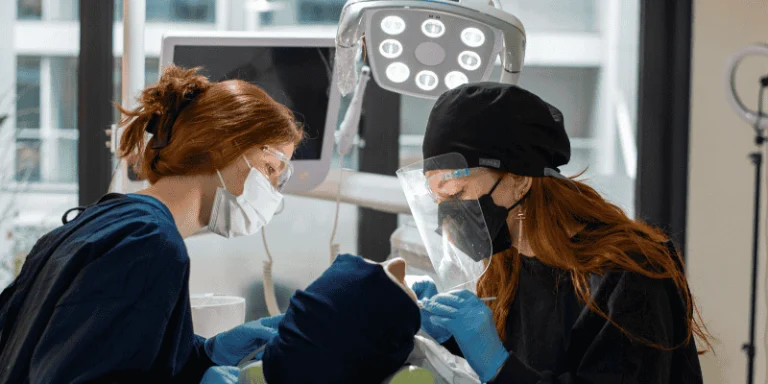
Going to the dentist can feel impossible when you have a strong gag reflex.
Even simple tasks like getting X-rays or having your teeth cleaned can trigger uncomfortable gagging that makes you want to avoid the dentist altogether.
This can lead to bigger dental problems down the road when you skip the care you need.
Sedation dentistry offers a safe and effective solution that helps you receive dental care comfortably by reducing your body’s sensitivity to the triggers that cause gagging.
The medication helps you relax and makes the areas in your mouth less reactive during treatment. You can finally get through appointments without the stress and discomfort you’ve experienced before.
Whether you need a routine cleaning or more complex dental work, sedation options are available to match your specific needs.
From mild relaxation with nitrous oxide to deeper sedation with oral medication, your dentist can help you find the right approach.
Having a sensitive gag reflex doesn’t mean you have to suffer through dental visits or put off important care.
Key Takeaways
- Sedation dentistry reduces your gag reflex by relaxing your body and lowering sensitivity to mouth triggers
- Multiple sedation options exist ranging from laughing gas to oral sedation depending on your needs
- Regular dental care becomes manageable when you work with your dentist to find the right sedation approach
Table of Content
- Understanding the Gag Reflex in Dental Care
- Challenges Faced by Patients With Strong Gag Reflex
- Sedation Dentistry Techniques and Their Role in Gag Reflex Management
- Choosing the Right Sedation Option
- Additional Strategies to Reduce Gag Reflex During Dental Visits
- Maintaining Long-Term Oral Health and Comfort
- Frequently Asked Questions
Understanding the Gag Reflex in Dental Care
The gag reflex is a natural protective response that can become a significant barrier to receiving proper dental treatment.
Understanding what triggers this response and how it affects your ability to get dental care can help you find the right solutions.
What Is the Gag Reflex?
Your gag reflex, also called the pharyngeal reflex, is an automatic defense mechanism that protects your airway from foreign objects. When something touches the soft palate, back of the tongue, or throat, your body responds by contracting muscles to prevent choking.
This reflex is completely normal and serves an important purpose. However, some people experience a hypersensitive gag reflex that activates much more easily than necessary.
A severe gag reflex can be triggered by minimal contact or even just the thought of something entering your mouth.
The intensity of gagging varies widely from person to person. While some people rarely experience it, others deal with an overly sensitive gag reflex that makes routine activities uncomfortable.
This heightened sensitivity can interfere with necessary dental care and create anxiety about dental visits.
Common Causes of a Strong or Sensitive Gag Reflex
Several factors can contribute to having a more sensitive gag reflex. Physical causes include having a naturally sensitive soft palate or enlarged tonsils that reduce space in your throat.
Some people are simply born with nerve endings that respond more intensely to stimulation.
Psychological factors play a major role too. Anxiety and fear about dental treatment can make your gag reflex more active.
Past negative experiences at the dentist often create a cycle where worry about gagging actually makes it worse.
Other triggers include nasal congestion, postnasal drip, and certain medications. Smoking and alcohol use can also increase sensitivity. Even your body position during treatment affects how easily the reflex activates.
Why Dental Procedures Trigger Gag Responses
Dental procedures naturally involve working in areas that activate gag reflex triggers. Dental impressions are particularly challenging because they require placing material that covers the soft palate.
The tray needs to stay in place for several minutes while the impression sets.
Dental x-rays require positioning sensors or film toward the back of your mouth. The size and placement of these devices can quickly trigger gagging. During dental cleanings, instruments and the suction tool work near sensitive areas.
Periodontal treatment often requires accessing deeper areas around your gums and teeth. The combination of instruments, water, and hand positioning can make gag reflex during dental treatment especially problematic.
Even routine examinations with mirrors and explorers can cause discomfort if you have heightened sensitivity.
How a Strong Gag Reflex Impacts Oral Health
Living with a strong gag reflex at the dentist often leads to avoiding dental appointments altogether. This avoidance creates serious problems because preventive care gets delayed or skipped entirely.
Without regular cleanings and checkups, small issues develop into major dental problems.
When you do manage to schedule appointments, the actual treatment becomes difficult to complete. Dentists may struggle to take accurate impressions for crowns or dentures. X-rays might need multiple attempts or remain incomplete.
The quality of care suffers when procedures must be rushed or abbreviated. Your dentist cannot work thoroughly if frequent breaks are needed. This limitation means potential problems might go undetected or untreated.
Many people with severe gag reflexes report higher dental anxiety and fewer prosthetic restorations due to these challenges.
Challenges Faced by Patients With Strong Gag Reflex
Living with a strong gag reflex creates real barriers to getting dental care. Patients often experience nausea, vomiting, fear, and avoidance behaviors that make even routine appointments feel impossible.

Fear and Dental Anxiety
Your gag reflex and dental anxiety often feed off each other in a difficult cycle. When you anticipate gagging during treatment, your stress levels rise before you even sit in the dental chair.
This worry makes your body tense up. Your heightened anxiety then triggers an even stronger gag response during the actual appointment.
Many patients develop specific fears about gag reflex triggers like dental mirrors, x-ray sensors, or impression materials. You might feel embarrassed about gagging in front of dental staff.
This emotional burden adds another layer of stress to an already uncomfortable situation.
The fear becomes so strong that some patients feel sick just thinking about their next dental visit. Your anxiety can spike days or even weeks before a scheduled appointment.
Avoidance of Dental Care
When dental visits become too distressing, you might start skipping appointments altogether. This avoidance seems like the easier choice in the moment.
A history of gag reflex-induced difficulties during past treatments often leads patients to delay or completely avoid dental care. You might put off cleanings, ignore small cavities, or skip preventive checkups.
The problem grows worse over time. Minor issues that could have been fixed easily become major dental problems requiring more invasive treatments.
These complex procedures are even harder to tolerate with a sensitive gag reflex.
Your oral health suffers when you avoid dental care. You face higher risks of tooth decay, gum disease, and tooth loss.
Difficulties During Routine Visits
Even when you manage to attend appointments, getting through standard procedures becomes challenging. Gagging makes therapeutic procedures distressing and often difficult or even impossible to perform.
Simple tasks that take minutes for other patients can stretch into lengthy ordeals for you. Taking x-rays becomes complicated when sensors touch the back of your mouth. Dental impressions for crowns or dentures trigger immediate gagging.
Your dentist might struggle to complete cleanings or examinations properly. You need frequent breaks during treatment, which extends appointment times significantly.
Common gag reflex triggers during dental visits include:
- Dental mirrors touching your soft palate
- X-ray sensors placed toward the back of your mouth
- Impression trays for dentures or crowns
- Suction devices near your throat
- Lying too far back in the dental chair
These obstacles make it harder to find gag reflex control methods that work for your specific needs.
Sedation Dentistry Techniques and Their Role in Gag Reflex Management
Sedation dentistry uses safe relaxation techniques to help you stay calm during treatment by reducing anxiety and relaxing the muscles that contribute to gag reflex reactions.
Different levels of sedation work in specific ways to control your body’s natural protective responses.

How Sedation Dentistry Works
When you receive dental sedation, medications work on your central nervous system to reduce anxiety and relax your muscles.
This directly impacts your gag reflex because the reflex is partly controlled by muscle tension and your mental state.
The medications help calm the nerves that trigger gagging when dental instruments touch certain areas of your mouth.
Your throat muscles become more relaxed, which makes it easier for your dentist to work without activating the protective response.
Sedation works by reducing anxiety and the physical tension that makes gagging worse. When you’re relaxed, your body is less likely to react defensively to normal dental procedures.
The medications also affect your perception of discomfort and time, making the appointment feel shorter and less stressful.
Levels of Sedation: From Mild Relaxation to Deep Sedation
You have several sedation options depending on how severe your gag reflex is:
Minimal Sedation keeps you awake but relaxed. You breathe normally and can respond to questions easily. This level works well for mild to moderate gag reflexes.
Moderate Sedation (also called conscious sedation) makes you drowsy and you may not remember much of the procedure.
You can still breathe on your own and respond when your dentist asks you to open wider or turn your head.
Deep Sedation puts you on the edge of consciousness. You might drift in and out of awareness but can still be awakened if needed. This level helps patients with very strong gag reflexes who cannot tolerate dental work otherwise.
IV sedation can help you get through treatment comfortably, even for complex procedures. Your dentist will recommend the right level based on your specific needs.
Sedation Dentistry Protocols for Gag Reflex Control
Your dentist follows specific protocols to ensure sedation dentistry for gag reflex is safe and effective. Before your appointment, you’ll have a consultation to review your medical history and discuss which sedation option suits you best.
On the day of treatment, you’ll receive monitoring throughout the procedure. Your oxygen levels, heart rate, and breathing are tracked continuously. This makes sedation dentistry safe when proper protocols are followed.
The dentist may combine sedation with other techniques like topical numbing agents on the soft palate. You’ll also receive clear instructions about eating and drinking before your appointment.
Most sedation protocols require you to have someone drive you home afterward, especially with moderate or deep sedation.
Choosing the Right Sedation Option
The best sedation method depends on how severe your gag reflex is and how anxious you feel about dental work.
Your sedation dentist will consider the length of your procedure and your medical history when recommending an option.

Nitrous Oxide (Laughing Gas)
Nitrous oxide works well if you have a mild to moderate gag reflex. You breathe the gas through a small mask that fits over your nose, and you’ll start feeling relaxed within a few minutes.
The main benefit is that laughing gas wears off quickly after your dentist removes the mask. You can drive yourself home and return to normal activities right away.
You stay awake and aware during treatment, but your body becomes less sensitive to the tools and materials touching your mouth.
This option is the mildest form of sedation available. It’s perfect for routine cleanings, fillings, or other shorter procedures.
Most dental offices offer nitrous oxide, making it easy to find a sedation dentist near me who provides this service.
Oral Sedation and IV Sedation
Oral sedation involves taking a pill about an hour before your appointment. You’ll feel drowsy and deeply relaxed, but you can still respond to your dentist’s instructions.
This method works well for moderate gag reflexes and anxiety.
IV sedation delivers medication directly into your bloodstream. Your dentist can adjust the sedation level throughout your procedure, giving more precise control.
You’ll be in a deeply relaxed state and likely won’t remember much about the treatment.
Both options require someone to drive you home afterward. IV sedation is often the best choice for wisdom tooth removal, dental implant surgery, or other intensive procedures.
These methods are ideal if you have a strong gag reflex that makes routine dental work difficult.
General Anesthesia for Severe Cases
General anesthesia puts you completely to sleep during your dental procedure. You won’t feel anything or have any memory of the treatment.
This option is typically reserved for the most severe cases. Your dentist might recommend it if other sedation methods haven’t worked for your gag reflex or if you need extensive dental work done in one visit.
You’ll need to visit a specialized facility or hospital for general anesthesia.
The recovery time is longer compared to other sedation options. You’ll need someone to stay with you for several hours after your appointment.
Your sedation dentist will carefully review your health history to make sure general anesthesia is safe for you.
Additional Strategies to Reduce Gag Reflex During Dental Visits
Beyond sedation, several practical techniques can help you manage your gag reflex during dental appointments.
Simple methods like controlled breathing, topical treatments, and modern technology work together to make your experience more comfortable.
Breathing and Distraction Techniques
Controlled breathing helps calm your nervous system and reduces the sensitivity of your gag reflex. Try breathing deeply through your nose and out through your mouth during treatment.
This steady rhythm keeps you relaxed and gives your mind something to focus on besides the dental work.
Distraction techniques shift your attention away from what triggers your gag reflex. Some dentists ask you to lift one foot in the air or wiggle your toes. You can also try humming, counting backwards, or squeezing a stress ball.
Music or podcasts through headphones create another layer of distraction. Virtual reality headsets are now being used in some dental offices to fully immerse you in a different environment during procedures.
Topical Numbing and Salt on the Tongue
Topical numbing agents temporarily reduce sensation in your mouth and throat. Your dentist can apply these sprays or gels to areas that trigger gagging. They work quickly and make it easier to tolerate dental instruments.
Salt on your tongue is a simple home remedy you can try. Place a small pinch of table salt on your tongue before your appointment.
The salt changes how your taste receptors respond and can help suppress the gag reflex for some people.
Ask your dentist about which numbing options work best for your situation. Some offices offer multiple products with different strengths and flavors.
Advances in Dental Technology: Digital Impressions and Comfort-Focused Care
Digital scans have replaced traditional impression trays in many dental offices. Instead of bulky material that fills your mouth, dentists use a small wand that captures 3D images of your teeth.
This technology eliminates one of the biggest gag reflex triggers.
Digital impressions are faster and more accurate than old methods. The scanning wand moves around your mouth without pressing against sensitive areas that cause gagging.
Modern comfort-focused care means dentists now prioritize your experience throughout treatment. Smaller dental instruments, better positioning of equipment, and slower pacing all reduce the chances of triggering your gag reflex.
Many offices also offer amenities like neck pillows, warm blankets, and adjustable chairs that help you stay comfortable and relaxed during longer procedures.
Maintaining Long-Term Oral Health and Comfort
Regular dental visits become easier with sedation support, and building a strong relationship with your dentist ensures you receive care tailored to your specific needs while following established safety guidelines.
The Importance of Regular Dental Care

Skipping dental appointments due to a strong gag reflex can lead to serious oral health problems over time. Plaque and tartar build up when teeth aren’t cleaned regularly, which increases your risk of cavities and gum disease.
Sedation dentistry helps patients complete procedures that once felt impossible. This means you can keep up with dental cleanings every six months as recommended.
Periodontal treatment and deep cleaning become manageable options when you work with a dentist who understands your needs.
Many patients find that positive experiences with sedation reduce their fear of future appointments. You’ll be more likely to seek care when problems are small rather than waiting until they become emergencies.
This approach protects your teeth and gums while saving you money on more extensive treatments later.
Working With Your Dentist for Personalized Solutions
Your dentist should take time to understand your specific triggers and concerns. Some patients gag during X-rays, while others struggle with impressions or routine cleanings.
Open communication helps your dental team adjust their approach. They might use smaller instruments, work more quickly in sensitive areas, or schedule shorter appointments.
Different levels and types of sedation are available based on your comfort needs.
Your dentist will review your health history before recommending sedation options. They’ll consider any medications you take and health conditions you have.
Together, you can create a care plan that addresses both your oral health needs and your comfort during dental procedures.
The Role of Professional Associations in Patient Safety
The American Dental Association sets standards for sedation practices to protect patients. These guidelines cover proper training, equipment requirements, and monitoring procedures during treatment.
Dentists who offer sedation must complete specific education and maintain current certifications. They follow protocols for checking your vital signs and ensuring you recover safely.
This oversight helps you receive care that meets national safety standards.
Professional organizations also provide resources about sedation options and what to expect. Your dentist should explain their credentials and how they follow these established guidelines to keep you safe during treatment.
Frequently Asked Questions
Many people have questions about how sedation works with gag reflexes and what to expect during treatment. Understanding your options can help you feel more prepared for your next dental visit.
What causes a strong gag reflex during dental treatment?
The gag reflex is your body’s natural way to protect your airway from foreign objects. Some people simply have a more sensitive gag reflex than others.
Several factors can make gagging worse during dental visits. Anxiety and fear about dental work often trigger or worsen the reflex.
Past negative experiences at the dentist can create a cycle where you worry about gagging, which makes it more likely to happen.
Physical factors also play a role. If you have trouble breathing through your nose, you may be more likely to gag. Certain areas of your mouth and throat might be naturally more sensitive to touch.
Strong tastes, smells, or textures in the dental office can also set off your gag reflex. Even the thought of instruments in your mouth might be enough to trigger the response.
What sedation options can help if I gag easily at the dentist?
Sedation dentistry offers several options depending on your needs and comfort level. Each type works differently to help you relax during treatment.
Nitrous oxide, also called laughing gas, is a mild option that you breathe through a small mask. You stay awake and aware but feel calmer and less sensitive to triggers. The effects wear off quickly after your appointment.
Oral sedation involves taking prescribed medication before your visit. This option makes you drowsy and relaxed, though you can still respond to your dentist.
You’ll need someone to drive you home since the effects take time to wear off.
IV sedation goes deeper and allows your dental team to adjust your relaxation level during treatment. This works well if you have severe anxiety or need complex dental work done.
General anesthesia puts you completely to sleep during the procedure. This is usually saved for patients who need extensive work or cannot tolerate treatment with lighter sedation methods.
Is sedation safe for people who have a very sensitive gag reflex?
Sedation is generally safe when administered by trained dental professionals. Your dentist will review your medical history, current medications, and overall health before recommending any sedation option.
The safety of each type depends on your individual health situation. Nitrous oxide is considered very safe for most patients and wears off quickly. Oral sedation requires more monitoring but is still safe for most healthy adults.
IV sedation and general anesthesia involve deeper levels of sedation and require more careful monitoring. Your dental team will check your vital signs throughout the procedure to ensure your safety.
Be honest with your dentist about any medical conditions, allergies, or medications you take. This information helps them choose the safest sedation option for you.
How should I prepare for a dental appointment if I’m worried about gagging?
Talk to your dentist before your appointment about your gag reflex concerns. Let them know what triggers your gagging and what has helped or made it worse in the past.
You may need to avoid eating or drinking for several hours before your appointment, especially if you’re receiving sedation. Your dentist will give you specific instructions based on the type of sedation you’ll receive.
Arrive early so you don’t feel rushed or stressed. Bring headphones and music if that helps you relax.
Practice breathing slowly through your nose in the days before your appointment. This can help you stay calm and reduce the chance of gagging during treatment.
Are there non-sedation techniques that can reduce gagging during dental work?
Your dental team can use several techniques to make treatment more comfortable without sedation. Small changes often make a big difference.
Adjusting your chair position can help reduce the gag reflex. Sitting more upright sometimes feels better than lying flat. Your dentist might also use smaller instruments or digital scanning instead of traditional impressions.
Taking breaks during treatment gives you time to recover if you start to feel uncomfortable. Some dentists apply numbing spray to sensitive areas of your mouth before starting work.
Focusing on slow, steady breathing through your nose helps keep you calm. Your dentist can explain each step before it happens so you know what to expect.
Can over-the-counter remedies help calm my gag reflex before a dental visit?
Some over-the-counter products claim to reduce the gag reflex, but results vary from person to person. Throat sprays containing benzocaine or similar numbing ingredients might provide temporary relief.
Using these products without talking to your dentist first isn’t recommended. Some ingredients could interfere with dental procedures or interact with sedation medications.
Salt water rinses or sucking on ice chips before your appointment might help slightly, but they won’t eliminate a strong gag reflex. These simple remedies work best for mild sensitivity.
The most reliable approach is working directly with your dentist to find solutions that help patients feel calmer during treatment. They can recommend specific products or techniques based on your individual needs.