Many people avoid the dentist because of fear or anxiety. This fear can lead to serious oral health problems when dental visits are delayed or skipped entirely.
The good news is that modern dentistry offers solutions to help you feel calm and comfortable during your appointments.
Sedation dentistry uses safe medications to help patients relax during dental procedures, making it possible to receive necessary care without stress or discomfort.
Whether you experience mild nervousness or severe dental phobia, sedation options can transform your dental experience from something you dread into a manageable part of your healthcare routine.
Understanding how fear free dentistry sedation works and which type might be right for you can help you take the first step toward better oral health.
From laughing gas to oral sedatives, different sedation methods are available to match your specific needs and comfort level.
Key Takeaways
- Sedation dentistry helps anxious patients receive dental care comfortably by using medications that promote relaxation
- Different sedation levels are available ranging from mild relaxation to deep sedation based on your anxiety level and procedure type
- Working with an experienced dentist who offers sedation options can help you overcome dental fear and maintain good oral health
Table of Content
- Understanding Dental Anxiety and Its Impact
- What Is Sedation Dentistry?
- Levels and Types of Dental Sedation
- Exploring Sedation Methods and Their Applications
- Choosing a Fear-Free Dentist and Preparing for Your Visit
- Frequently Asked Questions
Understanding Dental Anxiety and Its Impact
Dental fear affects millions of people and can range from mild nervousness to severe phobia that prevents patients from seeking care.
These fears often stem from specific triggers and can lead to serious health consequences when left unaddressed.
Common Causes of Dental Fear
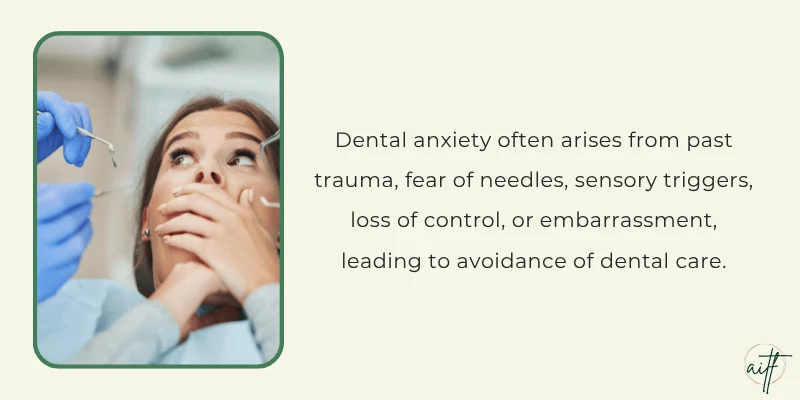
Your dental anxiety likely has identifiable roots. Past traumatic dental experiences, especially from childhood, rank among the most common triggers. Maybe you remember a painful procedure or felt dismissed by a previous dentist.
Fear of needles drives anxiety for many patients before treatment even begins. The loss of control you feel while lying back in the dental chair can trigger panic, even when you know the dentist means to help you.
Specific sensory triggers often spark dental fears:
- The sound of dental drills
- Clinical smells in the office
- The sensation of instruments in your mouth
- Bright overhead lights
If you have a sensitive gag reflex, dental work can feel especially difficult. The fear of gagging or choking during treatment adds another layer of stress. Some patients also feel embarrassed about their teeth after years of avoiding care, which creates a cycle where anxiety prevents the very treatment that would resolve the embarrassment.
Consequences of Avoiding Dental Visits
When dental fear keeps you from the dentist, small problems become major ones. A cavity that could have been fixed with a simple filling eventually needs a root canal or extraction.
Gum disease progresses silently without regular cleanings. Advanced periodontal disease connects to serious health issues including heart disease and diabetes complications. Your overall health suffers when oral infections spread or chronic inflammation continues unchecked.
The emotional toll matters too. Dental pain affects your ability to eat, sleep, and focus at work. You might avoid smiling in photos or feel self-conscious in social situations. The stress of knowing you need dental care but feeling too anxious to seek it creates ongoing mental burden.
Financial costs multiply when you delay treatment. Emergency dental visits cost significantly more than preventive care.
Recognizing Dental Phobia and Sensitive Gag Reflex
Dental phobia differs from ordinary nervousness. About 12% of adults meet the clinical threshold for dental phobia, which means their fear is severe enough to cause them to avoid dental care entirely for years.
You might have dental phobia if you experience panic attacks when thinking about dental appointments, cancel appointments repeatedly, or endure serious tooth pain rather than visit a dentist. Physical symptoms include rapid heartbeat, sweating, difficulty breathing, or nausea when facing dental treatment.
A sensitive gag reflex presents its own challenges. Your gag reflex protects your airway, but an overactive response makes dental work nearly impossible. Even dental X-rays or impressions can trigger gagging. This isn’t something you can simply control through willpower, and it often worsens with anxiety.
Recognizing these conditions as legitimate medical concerns rather than personal weakness helps you seek appropriate solutions. Modern sedation options and anxiety management techniques can address both dental phobia and gag reflex issues.
What Is Sedation Dentistry?
Sedation dentistry uses medication to help you relax during dental procedures, making it possible to receive necessary care even if you have severe anxiety or fear. Different sedation methods range from mild relaxation to deeper levels of sedation, each tailored to your specific needs and the complexity of your treatment.
Overview of Sedation Dentistry
Sedation dentistry uses medication to help you feel calm and comfortable during dental appointments. While it’s sometimes called “sleep dentistry,” you aren’t always fully asleep during treatment.
The medication helps reduce fear and discomfort in different ways. Sedation dentistry isn’t one-size-fits-all, as dentists select different types based on your anxiety level, the procedure you need, and your overall health.
Common sedation options include:
- Nitrous oxide (laughing gas) for mild relaxation
- Oral sedation using pills taken before your appointment
- IV sedation for deeper relaxation during longer procedures
- General anesthesia for the most complex cases
You’ll still receive local anesthesia to numb the treatment area. The sedation simply helps you stay relaxed and comfortable throughout the procedure.
Who Can Benefit from Sedation
Sedation is especially helpful if you avoid dental visits because of fear, have a strong gag reflex, struggle with prolonged appointments, or need several procedures in one visit. Many patients who put off dental care for years find that sedation makes treatment possible.
You might be a good candidate if you have dental anxiety that prevents you from getting necessary care. Some people experience panic attacks or extreme stress just thinking about the dentist.
Physical challenges also make sedation valuable. If you have difficulty sitting still for long periods, sensitive teeth that don’t respond well to numbing, or medical conditions that make dental work uncomfortable, sedation can help.
Children who are too young to cooperate or adults with intellectual disabilities often benefit from sedation options as well.
Role of the Sedation Dentist
A compassionate sedation dentist has specialized training beyond regular dental school to administer sedation safely. Your dentist will assess your medical history, anxiety level, and treatment needs before recommending a sedation method.
During your procedure, the sedation dentist monitors your vital signs continuously. They watch your breathing, heart rate, and oxygen levels to ensure your safety throughout treatment.
The dentist adjusts sedation levels as needed based on how you respond. They’re trained to manage any complications and have emergency equipment ready if needed.
Your sedation dentist will also provide clear instructions for before and after your appointment. This includes when to stop eating, what medications to avoid, and why you’ll need someone to drive you home after certain types of sedation.
Levels and Types of Dental Sedation
Dental sedation exists on a spectrum from light relaxation to complete unconsciousness. Each level serves different needs based on your anxiety level, the complexity of your procedure, and your medical history.
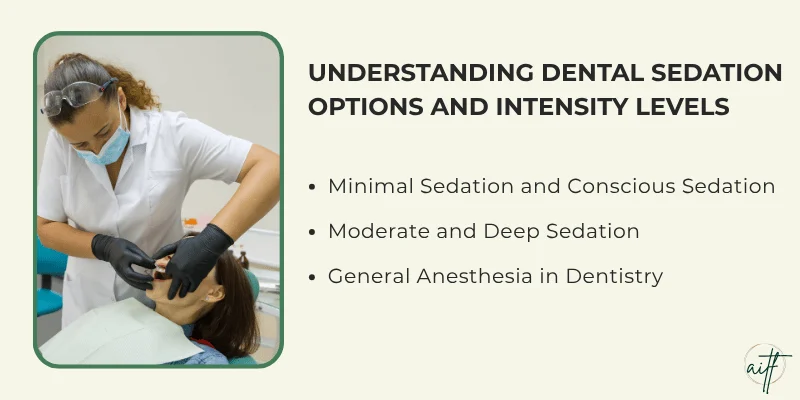
Minimal Sedation and Conscious Sedation
Nitrous oxide (laughing gas) is the most common form of minimal sedation. You breathe it through a small mask over your nose and feel relaxed within 3-5 minutes. You stay fully awake and can respond to questions during your appointment.
The effects wear off quickly after the gas is turned off. Most people can drive themselves home right after treatment.
Oral conscious sedation uses a prescription pill taken about an hour before your appointment. Triazolam is the most commonly prescribed medication. You remain awake but feel drowsy and deeply relaxed.
Many patients don’t remember much about the procedure afterward. You’ll need someone to drive you home and stay with you for several hours. This option works well for moderate-to-severe dental anxiety when nitrous oxide isn’t enough.
Moderate and Deep Sedation
IV sedation delivers medication directly into your bloodstream through a small needle in your arm. Your dentist can adjust the sedation level throughout your procedure based on your needs.
You remain conscious and can respond to instructions. Your breathing and reflexes work on their own. Most patients have little to no memory of the appointment.
This deeper level of sedation requires continuous monitoring of your heart rate, blood pressure, and oxygen levels. You must fast for six hours before your appointment and arrange for someone to drive you home and care for you.
General Anesthesia in Dentistry
General anesthesia makes you completely unconscious. You cannot be awakened until the medication wears off. You need help breathing through a tube or mask.
This level is rarely used for routine dental work. It’s typically reserved for complex oral surgery, patients with severe disabilities, or very young children needing extensive treatment. General anesthesia happens in a hospital or surgical center with an anesthesiologist present, not in a regular dental office.
Exploring Sedation Methods and Their Applications
Different sedation techniques work for different levels of anxiety and procedure complexity. Each method offers unique benefits, from mild relaxation to deep sedation with little to no memory of the treatment.
Nitrous Oxide (Laughing Gas)
Nitrous oxide is the mildest form of sedation available at most dental offices. You breathe it through a small mask that fits over your nose during your procedure.
The effects start within a few minutes. You’ll feel relaxed and calm, but you stay fully awake and can respond to your dentist’s requests. Many patients describe a warm, floating sensation or mild tingling in their hands and feet.
Key advantages of laughing gas:
- Wears off quickly after the mask is removed
- You can drive yourself home
- Easy to adjust the level during treatment
- Works well for mild to moderate anxiety
This option works best for routine cleanings, fillings, or other shorter procedures. It’s not strong enough if you have severe dental phobia or need extensive work done.
Oral Sedation
Oral sedation involves taking a pill about an hour before your appointment. Your dentist typically prescribes medications like Halcion or Valium for this purpose.
You’ll feel drowsy and deeply relaxed during the procedure. Most patients stay awake but feel detached from what’s happening. Some people doze off but can be easily awakened.
The medication often creates a gap in your memory. You might not remember much about the appointment afterward, which helps if past dental experiences caused trauma.
Important requirements:
- You need someone to drive you to and from the office
- No eating for several hours before treatment
- Plan to rest at home afterward
This sedation option works well for moderate to severe anxiety. It’s also good when you need multiple procedures in one visit.
IV Sedation Procedures
IV sedation delivers medication directly into your bloodstream through a small needle in your arm or hand. This method allows your dentist to adjust the sedation level throughout your treatment.
You enter a deeply relaxed state, often called “twilight sleep.” You’re technically conscious but won’t remember the sights, sounds, or sensations of the procedure. Many patients feel like only minutes passed when the appointment actually took hours.
IV sedation requires special training and monitoring equipment. A trained professional watches your vital signs continuously during the procedure.
This approach suits patients with severe dental phobia or those needing complex procedures like multiple extractions or implant placement. It’s also helpful if you have a strong gag reflex that interferes with treatment.
You’ll need a responsible adult to take you home and stay with you for several hours. The effects can last into the evening, so clear your schedule for the rest of the day.

Choosing a Fear-Free Dentist and Preparing for Your Visit
Finding the right dentist and knowing what to expect can make all the difference when you have dental anxiety. The right preparation helps you feel more in control and comfortable throughout your appointment.
Finding a Compassionate Sedation Dentist
Look for a dentist who specifically mentions working with anxious patients on their website or in reviews. Many dental offices now advertise themselves as fear-free dentistry practices because they understand how common dental anxiety is.
Ask specific questions during your first phone call. Find out what sedation options they offer, how much experience they have with nervous patients, and whether they allow extra time for appointments. A good sedation dentist will answer your questions patiently and never make you feel rushed.
Check if the dentist is trained in multiple types of dental sedation. Some offices only offer nitrous oxide, while others provide oral sedation or IV options. You want choices that match your anxiety level and the procedure you need.
Read patient reviews that mention anxiety or fear. These reviews often reveal how the staff treats nervous patients and whether the dentist truly takes time to make you comfortable.
What to Expect Before and During Treatment
Your dentist will discuss sedation options during a consultation before your procedure. They’ll ask about your medical history, current medications, and anxiety level to recommend the best choice for you.
If you choose oral sedation, you’ll receive specific instructions about when to take the medication. Most patients take it about an hour before their appointment. You’ll need someone to drive you to and from the office since you can’t drive yourself.
For nitrous oxide, you’ll breathe through a mask during your procedure. You’ll feel relaxed within a few minutes. The dentist can adjust how much you receive throughout your treatment.
During conscious sedation dentistry, you remain awake but deeply relaxed. You can respond to questions but won’t feel pain. Many patients don’t remember the procedure afterward, which helps reduce future anxiety.
Patient Safety and Aftercare Tips

Your dentist will monitor your vital signs throughout any sedation procedure. They’ll check your heart rate, blood pressure, and oxygen levels to keep you safe.
Before your appointment:
- Avoid eating or drinking for the recommended time period
- Arrange for someone to drive you home
- Wear comfortable, loose-fitting clothing
- Leave valuables at home
After sedation:
- Rest for the remainder of the day
- Avoid driving or operating machinery for 24 hours
- Eat soft foods and drink plenty of water
- Take any prescribed medications as directed
Some people feel drowsy or dizzy after sedation wears off. This is normal and should pass within a few hours. If you have a sensitive gag reflex or sensitive teeth, tell your dentist so they can take extra care during your procedure and recovery.
Contact your dentist if you experience unusual pain, swelling, or bleeding after your appointment. Most patients feel better knowing they can reach their dental team with questions or concerns.
Frequently Asked Questions
Many patients wonder about the practical details of sedation dentistry before their appointment. Understanding what to expect helps you feel more prepared and confident about your visit.
What types of sedation are available at the dentist, and how do I know which one is right for me?
Dentists offer several sedation options to meet different patient needs. The main types include nitrous oxide (laughing gas), oral sedation in pill form, and IV sedation administered through a vein.
Nitrous oxide works quickly and wears off in minutes. You breathe it through a nose mask during your procedure and can drive yourself home afterward.
Oral sedation involves taking a prescribed pill about an hour before your appointment. You’ll feel deeply relaxed but stay awake and can respond to your dentist.
IV sedation provides the deepest level of relaxation. Your dentist adjusts it throughout the procedure for precise control.
The right choice depends on your anxiety level, the length of your procedure, and your medical history. Your dentist will discuss your concerns and recommend the best option for your situation.
Will I be awake during sedation, and what will I remember after the appointment?
With most types of sedation, you remain awake and can respond to your dentist’s instructions. However, you’ll feel very relaxed and calm throughout the procedure.
Nitrous oxide keeps you fully aware and responsive. You’ll remember your appointment clearly once the gas wears off.
With oral sedation, you stay conscious but often have little to no memory of what happened. Many patients report that the appointment feels like it passed in just minutes.
IV sedation creates a “twilight sleep” state. You’re technically awake but deeply relaxed and typically won’t remember the procedure at all.
Only general anesthesia puts you completely unconscious. This is rarely used in dentistry and reserved for complex oral surgeries.
Is dental sedation safe, and who might not be a good candidate for it?
Sedation dentistry is a modern and safe way to receive dental care when administered by trained professionals. Your dentist monitors your vital signs throughout the procedure to ensure your safety.
Common side effects are mild and temporary. You might experience drowsiness, dizziness, dry mouth, or a slight headache.
Some people should avoid certain types of sedation. Pregnant women should not use sedation medications during dental visits.
You’re not a good candidate if you have severe respiratory conditions like COPD or uncontrolled sleep apnea. These conditions make you very sensitive to sedative medications.
Tell your dentist about all medications you take and any allergies you have. Some drugs interact with sedatives and could cause problems.
Your dentist will review your complete medical history before recommending sedation. This screening process helps identify any risks specific to you.
How should I prepare for a sedated dental visit, including eating, drinking, and medications?
Proper preparation ensures your sedation appointment goes smoothly and safely. Your dentist will give you specific instructions based on the type of sedation you’ll receive.
For oral or IV sedation, you’ll typically need to avoid eating for several hours before your appointment. Your dentist will tell you exactly when to stop eating and drinking.
Arrange for someone to drive you to and from your appointment. This step is required because sedation effects last for hours after your procedure ends.
Wear comfortable, loose-fitting clothing to your appointment. This helps you relax in the dental chair.
Ask your dentist how to handle your regular medications. Some medications are safe to take before sedation while others need to be skipped.
Bring a list of all your current medications and supplements to your consultation. This helps your dentist plan the safest sedation approach for you.
What does recovery feel like after sedation, and how long will the effects last?
Recovery depends on which type of sedation you receive. Nitrous oxide wears off within minutes after your dentist removes the mask.
Oral and IV sedation take much longer to leave your system. You’ll feel drowsy and groggy for several hours after your appointment.
Plan to go home and rest for the remainder of the day. Don’t try to return to work or handle important tasks.
You cannot drive for at least 24 hours after oral or IV sedation. Your reaction time and judgment will be impaired even if you feel alert.
Have your escort stay with you for a few hours after you get home. You might feel unsteady on your feet or confused.
Your dentist will provide written instructions for post-sedation care. Follow these guidelines carefully to ensure a smooth recovery.
Can sedation help if I have a strong gag reflex, dental phobia, or trouble sitting still during treatment?
Sedation dentistry helps patients with various challenges beyond just anxiety. It addresses physical and emotional barriers that prevent people from getting dental care.
A strong gag reflex makes dental work uncomfortable and sometimes impossible. Sedation suppresses your gag reflex so your dentist can work without interruption.
Dental phobia affects more than 7.6% of people and causes them to avoid necessary care. Sedation breaks this cycle by removing the overwhelming fear that keeps you away.
If you have trouble sitting still for long periods, sedation helps you remain comfortable. This allows your dentist to complete more work in fewer appointments.
Sedation also benefits patients with sensory sensitivities or special needs. The relaxed state makes it easier to tolerate the sights, sounds, and sensations of dental treatment.
People who have difficulty getting numb respond well to sedation. The relaxation helps the numbing medication work better and reduces your perception of discomfort.