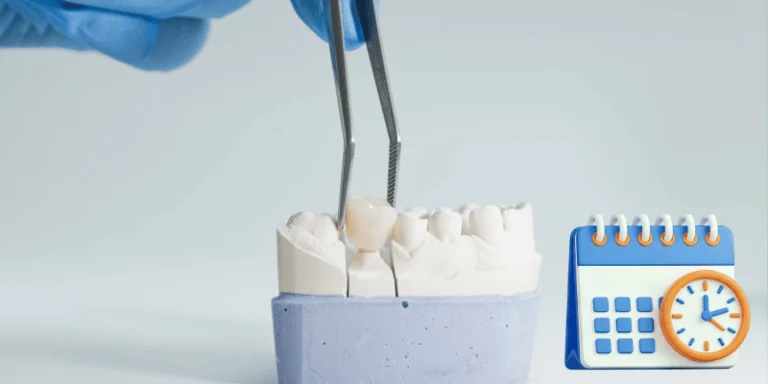
When you need a dental crown, waiting weeks for a traditional lab-made version can feel frustrating. Same-day crowns offer a faster solution that gets you in and out of the dentist’s office in just one visit.
But you might wonder if speed means sacrificing quality or durability.
Same-day crowns typically last between 10 to 15 years with proper care, and some can even last up to 20 years.
Research shows that these modern crowns hold up just as well as traditional ones when placed correctly. The key is understanding what factors influence how long your crown will last.
Your daily habits, oral hygiene routine, and the material used all play important roles in your crown’s lifespan. Several things can either extend or shorten how long your same-day crown stays strong and functional.
Learning about these factors helps you make smart choices to protect your investment and keep your smile healthy.
Key Takeaways
- Same-day crowns last 10 to 15 years on average when you take care of them properly
- Your oral hygiene, diet, and bite force directly impact how long your crown will last
- Regular dental checkups and avoiding hard foods help your crown stay strong for years
Table of Content
- How Same-Day Crowns Work and Their Key Benefits
- Materials and Types of Dental Crowns
- Average Lifespan and Longevity Expectations
- Lifestyle and Oral Habits That Affect Crown Lifespan
- Care and Maintenance for Long-Lasting Results
- Frequently Asked Questions
How Same-Day Crowns Work and Their Key Benefits
Same-day dental crowns use advanced digital technology to create and place your crown in a single appointment.
This modern approach eliminates the messy impression materials and multiple visits required by traditional methods.
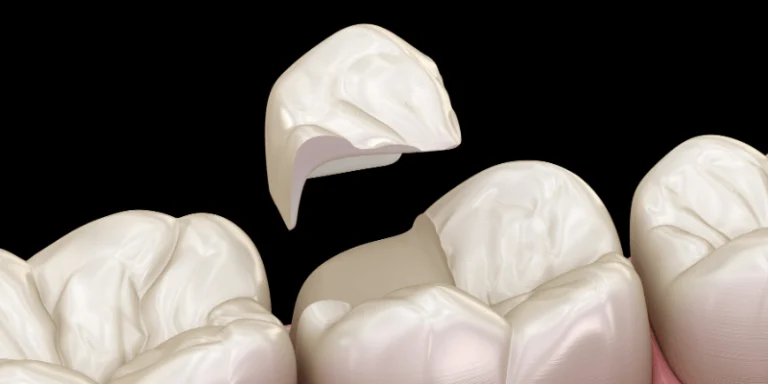
Overview of the Same-Day Crown Procedure
Your dentist starts by examining and preparing your tooth, removing any decay and shaping it to hold the crown. This step is similar to traditional crown procedures.
The entire process happens in one visit to your dentist’s office. After preparing your tooth, your dentist creates a digital scan and designs your custom crown using specialized software.
The crown is then milled from a ceramic block right there in the office.
Once the milling is complete, your dentist checks the fit and makes any necessary adjustments. They then bond the crown to your tooth and polish it to match your natural teeth.
The whole appointment typically takes between one and two hours from start to finish.
You walk out with your permanent crown in place. There’s no need to schedule a follow-up appointment or deal with temporary solutions.
Digital Impressions and CAD/CAM Technology
Instead of using uncomfortable impression trays filled with putty, your dentist uses a small digital scanner to capture detailed 3D images of your tooth. The scanner creates a precise model of your tooth structure in just minutes.
CAD/CAM technology stands for computer-aided design and computer-aided manufacturing.
This system uses the digital scan to design your crown on a computer screen, allowing your dentist to customize the shape, size, and fit before manufacturing begins.
The CAD software ensures your crown matches your bite perfectly. Your dentist can make adjustments to the digital design before any material is cut, resulting in a more accurate final product.
Once the design is finalized, the CAM portion takes over. A milling machine carves your crown from a solid ceramic block based on the digital design.
CEREC crowns are one popular type of same-day crown that uses this CAD/CAM process.
Advantages Over Traditional Crowns
Same-day crowns offer time-saving benefits by requiring only one appointment instead of two or three visits spread over several weeks.
You don’t need to take multiple days off work or arrange childcare for separate appointments.
The digital scanning process is more comfortable than traditional impressions. Many patients find the bulky trays and impression material unpleasant or even trigger a gag reflex.
Your crown is made while you wait, so there’s no shipping to an outside lab. This reduces the chance of errors or miscommunication about your crown’s specifications.
Same-day crowns typically last 10-15 years or longer with proper care, matching the lifespan of traditional crowns. The high-strength ceramics used resist daily wear from chewing and biting just as well as lab-made crowns.
Eliminating Temporary Crowns and Delays
With traditional crowns, you need to wear a temporary crown for two to three weeks while the lab creates your permanent one. Temporary crowns can fall off, break, or cause sensitivity during this waiting period.
You don’t have to worry about diet restrictions that come with temporary crowns. Many patients find temporary crowns uncomfortable or awkward when eating.
Same-day dental crowns eliminate the risk of your temporary crown failing before your permanent one is ready. You also avoid the possibility of your tooth shifting while waiting for your final crown, which can affect the fit.
The single-visit approach means you only need one round of anesthesia. Your tooth is prepared and restored in the same appointment, reducing overall discomfort and healing time.
Materials and Types of Dental Crowns
The material your dentist chooses for your crown affects how long it lasts, how natural it looks, and where it works best in your mouth. Different materials offer different strengths, and understanding your options helps you make the right choice for your smile.
Ceramic, Porcelain, and Zirconia Choices
Ceramic and porcelain crowns look the most natural because they match the color and shine of your real teeth. These materials work great for front teeth where appearance matters most. They blend in seamlessly with your smile.
Zirconia crowns are much stronger than regular ceramic. They handle heavy chewing forces without cracking, which makes them perfect for back teeth. Zirconia also resists staining better than natural enamel.
Many dentists now use zirconia for both front and back teeth because it combines strength with good looks. Zirconia crowns showed a 98% survival rate after 5 years on back teeth.
You get durability without sacrificing a natural appearance.
Traditional Crowns Versus Same-Day Options

Traditional crowns require two visits to your dentist. You get a temporary crown at the first visit while a lab makes your permanent one. This process takes about two weeks.
Same-day crowns use digital technology to create your crown in one appointment. Your dentist scans your tooth, designs the crown on a computer, and mills it from a solid block of ceramic or zirconia right in the office.
Both types can last just as long when made correctly. Most dental crowns last 10 to 15 years or longer with good care. The main difference is convenience, not durability.
Durability of Different Crown Materials
Different materials handle wear and tear in different ways. Here’s how common crown materials compare:
Zirconia resists chips and cracks better than other options. It handles the strongest bite forces and rarely breaks under normal use.
Ceramic and porcelain look beautiful but can chip if you bite hard objects or grind your teeth. They work best when protected from extreme pressure.
Porcelain-fused-to-metal (PFM) combines metal strength with porcelain appearance. The metal base makes it strong, but the porcelain layer can still chip. Some people see a dark line near the gums as gums recede over time.
Your habits affect crown longevity more than the material itself. Grinding your teeth, chewing ice, or biting hard foods shortens any crown’s life. A night guard protects your investment if you grind your teeth while sleeping.
Average Lifespan and Longevity Expectations
Same-day crowns typically last between 10 to 15 years with proper care, matching the durability of traditional crowns. Your crown’s actual lifespan depends on the materials used and how well you maintain it.
Typical Lifespan of Same-Day Crowns
Most same-day crowns last between 10 to 15 years on average. In some cases, they can last up to 20 years or even longer.
The lifespan of same-day crowns depends on several key factors. The material quality matters a lot, with lithium disilicate being one of the strongest options available. Where the crown sits in your mouth also plays a role.
Back molars endure more pressure from chewing than front teeth. Your daily habits affect crown longevity too. Good oral hygiene and avoiding hard foods help your crown last longer.
CEREC same-day crowns can last 20 to 30 years because they’re made from durable ceramic material. This extended lifespan makes them a reliable long-term investment for your dental health.
How Long Do Same-Day Crowns Last Compared to Other Crowns?
Same-day crowns provide reliable protection for 10 to 15 years, matching traditional crowns in durability. Traditional lab-made crowns also last 10 to 15 years with proper care.
The materials used in both types offer similar strength. Traditional crowns use porcelain fused to metal, all-metal, or all-ceramic options. Same-day crowns typically use lithium disilicate, which provides excellent durability.
Speed doesn’t compromise strength when it comes to same-day dental crowns. The main difference is how they’re made, not how long they last.
Your crown’s lifespan depends more on your care routine than whether it was made in one day or two weeks.
What Dental Research Reveals About Crown Durability
A 2021 study found CAD/CAM milled crowns had a 94% survival rate after 10 years. This research proves same-day crowns are highly reliable for long-term use.
Another study showed same-day ceramic crowns performed equally well compared to lab-made versions.
Researchers measured strength, wear resistance, and how well the crowns kept their appearance over time. All three areas showed comparable results.
Dentists report that same-day crowns hold up just as well as traditional counterparts in long-term follow-ups. The success of your crown depends on your dentist’s skill and your oral habits.
Research confirms that modern materials and technology make same-day crowns a durable choice for tooth restoration.
Lifestyle and Oral Habits That Affect Crown Lifespan
Your daily choices and habits play a major role in how long your same-day crown lasts. Simple actions like proper cleaning, smart food choices, and protecting your teeth from grinding can add years to your restoration.

Importance of Oral Hygiene and Plaque Control
Good oral hygiene protects the edges where your crown meets your natural tooth. Plaque buildup in these areas can lead to decay underneath the crown, which weakens the tooth structure and shortens the crown’s life.
Bacteria don’t damage the crown itself, but they attack the tooth beneath it. When decay forms at the margins, your crown may need replacement even if the material is still strong.
Regular dental cleanings help remove plaque and tartar that your toothbrush misses. Your dentist can also check the seal around your crown to catch any problems early.
Brushing, Flossing, and Preventing Plaque Buildup
Brushing twice daily keeps bacteria from settling around your crown. Use a soft-bristled toothbrush and fluoride toothpaste to clean all tooth surfaces, paying extra attention to where the crown meets your gum line.
Flossing is just as important for crown longevity. Gently slide floss between your crowned tooth and neighboring teeth to remove food particles and plaque. Be careful not to pull up on the floss, which could catch the crown’s edge.
Consider these daily habits:
- Brush for two full minutes each time
- Floss at least once per day
- Use an antimicrobial mouthwash to reduce bacteria
- Replace your toothbrush every three months
Dietary Choices and Avoiding Chewing Ice
What you eat affects how long your crown lasts. Hard, sticky, or extremely crunchy foods can crack or loosen your restoration over time.
Diet habits that damage crowns include chewing ice, which creates pressure that ceramic can’t always handle. Ice may seem harmless, but it’s one of the most common causes of crown fractures.
You should also avoid chewing hard candy, popcorn kernels, and tough meats with bones. Using teeth as tools to open packages or bite fingernails puts unnecessary stress on your crown and can cause chips or breaks.
Bruxism, Night Guards, and Bite Forces
Teeth grinding and clenching, called bruxism, creates excessive force on your crown. Many people grind their teeth at night without knowing it, which slowly wears down restorations.
A custom night guard protects your crown from grinding damage while you sleep. This custom-fitted appliance cushions your teeth and distributes bite forces more evenly across your mouth.
Signs you might need a night guard include:
- Waking up with jaw pain or headaches
- Worn tooth surfaces
- Increased tooth sensitivity
- Your partner hearing grinding sounds at night
Bite forces and oral habits directly impact crown lifespan. If you clench during the day, try to stay aware of the habit and consciously relax your jaw. Your dentist can adjust your bite if certain teeth hit too hard when you chew.
Care and Maintenance for Long-Lasting Results
Taking care of your same-day crown involves more than just daily brushing. Regular visits to your dentist help catch problems early, while following professional advice keeps your crown in top shape for years.

Role of Regular Dental Checkups
Regular dental check-ups play a major role in how long your crown lasts. Your dentist examines your crown at each visit to check for signs of wear, loosening, or damage that you might not notice on your own.
During these appointments, your dental team cleans around your crown to remove plaque and tartar buildup. This prevents decay from forming at the edges where your crown meets your natural tooth.
Most dentists recommend checkups every six months. These visits give your dentist a chance to spot small issues before they turn into bigger problems that could shorten your crown’s lifespan.
Your dentist can also check how your bite feels with the crown and make adjustments if needed. An uneven bite puts extra pressure on your crown, which can lead to cracks or loosening over time.
Professional Advice for Crown Maintenance
Your dentist will recommend using a soft-bristle toothbrush to clean your crown without scratching its surface. Brush twice daily and floss around your crown just like you would with natural teeth.
Foods to avoid or limit:
- Hard candy and ice
- Sticky caramels or taffy
- Popcorn kernels
- Hard nuts
If you grind your teeth at night, your dentist may suggest wearing a nightguard. This protective device shields your crown from the excessive force that grinding creates.
Drinking plenty of water throughout the day helps wash away food particles around your crown. It also keeps your mouth’s pH balanced, which protects both your crown and surrounding teeth.
Your dentist might recommend special floss or interdental brushes for cleaning around your crown. These tools make it easier to remove debris from tight spaces.
Signs Your Crown Needs Attention
Pay attention to any discomfort or sensitivity around your crown. Pain when biting down or temperature sensitivity could mean the crown has loosened or decay has formed underneath.
If your crown feels rough or you notice a chip, contact your dentist right away. Small chips can often be repaired before they become larger problems.
Warning signs include:
- Visible cracks or fractures
- Crown feels loose or wiggles
- Swelling or tenderness in the gum around the crown
- Persistent bad taste near the crown
A crown that no longer fits properly against your other teeth can cause bite problems. You might notice this when chewing or when your jaw feels tired after eating.
Dark lines appearing at the gum line near your crown could indicate decay or gum recession. Your dentist needs to evaluate these changes to protect crown longevity.
Frequently Asked Questions
Same-day crowns can last 10 to 15 years or more with proper care, but their lifespan depends on factors like the material used, your oral habits, and how well you maintain them.
How long do same-day dental crowns typically last?
Same-day crowns last between 10 to 15 years with proper care and maintenance. In some cases, they can last up to 20 years.
Research shows that same-day crowns have a 94% survival rate after 10 years. This means they perform just as well as traditional lab-made crowns when cared for correctly.
The actual lifespan of your crown depends on several factors. Your oral hygiene habits, diet, and whether you grind your teeth all play a role in how long your crown will last.
What factors can make a same-day crown wear out sooner than expected?
Poor oral hygiene is one of the biggest threats to your crown’s lifespan. While the crown itself doesn’t decay, the tooth underneath it still can.
Teeth grinding or clenching puts extra pressure on your crown. This can cause cracks or chips over time.
Your diet also matters. Chewing on hard foods like ice, hard candies, or using your teeth to open packages can damage your crown.
The location of your crown affects how long it lasts. Crowns on back molars endure more chewing force than front teeth, which can lead to faster wear.
Does the crown material (ceramic, zirconia, etc.) change how long it will last?
Yes, the material used for your crown affects its durability. Most same-day crowns are made from lithium disilicate, a strong ceramic material known for its natural appearance and strength.
Zirconia crowns are extremely strong and work well for back teeth that handle heavy chewing. They’re less likely to chip or crack under pressure.
All-ceramic crowns look the most natural but may not be as strong as zirconia. They work best for front teeth where appearance matters more than extreme strength.
Your dentist will recommend the best material based on which tooth needs the crown. Back molars need stronger materials while front teeth benefit from more natural-looking options.
How do biting habits like teeth grinding or chewing ice affect crown durability?
Teeth grinding, also called bruxism, is one of the most damaging habits for your crown. The constant pressure can cause cracks, chips, or even break your crown completely.
If you grind your teeth at night, ask your dentist about a night guard. This protective device can significantly extend your crown’s lifespan by reducing the pressure on it.
Chewing ice puts sudden, intense force on your crown. This can create tiny cracks that grow larger over time until the crown fails.
Hard foods like nuts, hard candies, and popcorn kernels also pose risks. Biting down on something unexpectedly hard can crack even a strong crown.
What daily care and hygiene habits help a crown stay strong for years?
Brush your teeth twice a day with fluoride toothpaste. Pay special attention to where the crown meets your gum line, as this area can trap food and bacteria.
Floss daily around your crown. This protects the gum tissue and prevents decay in the tooth underneath the crown.
Avoid using your teeth as tools to open packages or bottles. This puts unnecessary stress on your crown and can cause damage.
Schedule regular dental checkups every six months. Your dentist can spot small problems before they become serious issues that affect your crown’s lifespan.
Limit sticky foods like caramel or taffy. These can pull on your crown and weaken the bond over time.
When should I contact my dentist if my crown feels loose, painful, or different when I bite?
Call your dentist immediately if your crown feels loose or wiggly. A loose crown can fall off completely, leaving your tooth exposed and vulnerable to damage or infection.
Pain or sensitivity in a crowned tooth isn’t normal after the first few days. This could mean the crown doesn’t fit properly or decay has developed underneath it.
Contact your dentist if you notice any visible cracks or chips in your crown. Even small damage can get worse quickly and lead to complete crown failure.
If your bite feels off or different when you chew, don’t wait to get it checked. An improper bite can cause the crown to fail or damage other teeth.
Gum recession around your crown is another warning sign. You might see a dark line near the gum or notice the crown edge becoming visible.