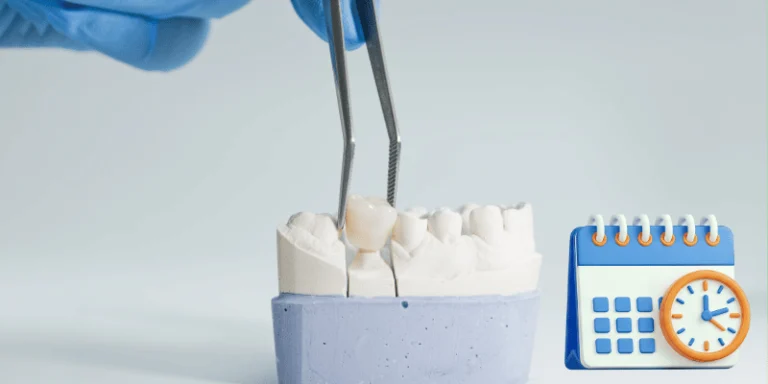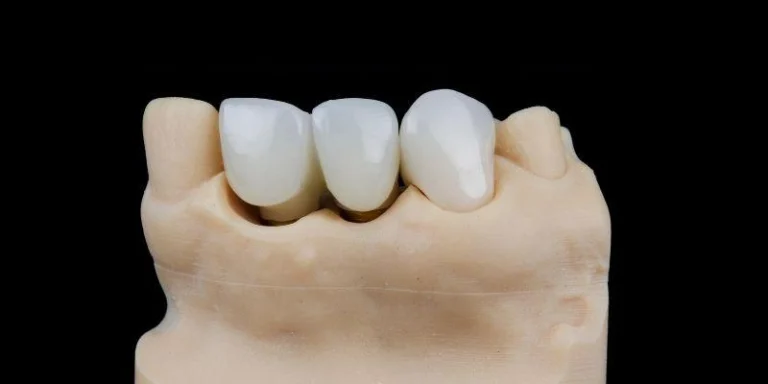
A cracked tooth can throw off your whole day. You might worry about pain, appearance, or whether you need multiple dental visits to fix it. Same-day crowns offer a fast solution that gets you back to normal life quickly.
Same-day crowns are strong enough for most cracked teeth and can last 10 to 15 years with proper care, though traditional crowns may work better for back molars that handle heavy chewing pressure.
The ceramic material used in same-day crowns for broken teeth provides a durable restoration that looks natural and feels comfortable.
Your biggest concerns probably include whether these quick crowns will hold up as well as traditional ones and if they’re worth choosing.
The answer depends on which tooth needs repair, your bite strength, and your daily habits. Understanding how same-day crowns compare to lab-made options will help you make the right choice for your situation.
Key Takeaways
- Same-day crowns work well for front teeth and premolars but traditional crowns may be stronger for back molars
- The entire same-day crown process takes about two hours and requires only one dental visit
- Both same-day and traditional crowns can last 10 to 15 years when you maintain good oral care habits
Table of Content
- Understanding Same-Day Crowns for Cracked Teeth
- How Same-Day Crowns Work: The Process Step-by-Step
- Strength and Durability: Are Same-Day Crowns Reliable?
- Benefits and Drawbacks of Choosing Same-Day Crowns
- Caring for Your Same-Day Crown and Maximizing Lifespan
- Is a Same-Day Crown Right for Your Cracked Tooth?
- Frequently Asked Questions
Understanding Same-Day Crowns for Cracked Teeth
Cracked teeth need quick protection to prevent further damage and pain. Same-day dental crowns offer a fast solution that combines modern technology with durable materials to restore your tooth in just one visit.
What Qualifies as a Cracked Tooth
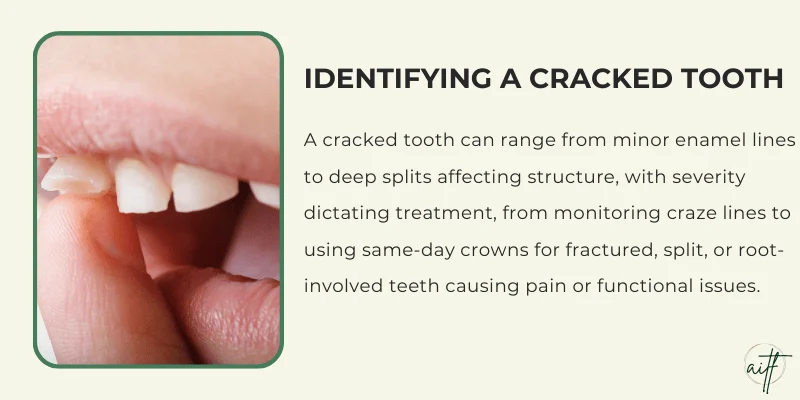
A cracked tooth can range from minor surface lines to deep splits that affect the tooth’s structure. Craze lines are tiny cracks in the enamel that don’t usually need treatment.
Fractured cusps happen when pieces of the chewing surface break off. These often occur around dental fillings and may not cause much pain.
Cracked teeth that extend from the chewing surface toward the root are more serious. You might feel pain when chewing or when exposed to hot or cold temperatures.
Split teeth have cracks that separate the tooth into distinct segments. Vertical root fractures start below the gum line and move upward.
Same-day crowns work well for cracked, chipped, or fractured teeth that need immediate restoration. Your dentist will examine the crack’s depth and location to determine if a crown is the right solution.
Why Fast Restoration Matters
When your tooth cracks, bacteria can enter through the opening and cause infection. Quick treatment protects the inner tooth structure from decay.
A cracked tooth becomes weaker over time. The crack can spread deeper into the tooth if left untreated, making the damage worse. Same-day crowns allow your tooth to be restored immediately, preventing the crack from expanding.
You won’t need to wear a temporary crown that could fall off or feel uncomfortable. Traditional crowns require two or more visits, leaving your tooth vulnerable between appointments.
The faster you get a custom-fitted crown, the less time you spend dealing with sensitivity and discomfort. Same-day treatment means you can eat and speak normally within hours instead of waiting weeks.
Overview of Same-Day Crown Technology
Same-day crown technology uses digital tools to create ceramic crowns in your dentist’s office. The process starts with a small camera that scans your tooth and surrounding teeth to create a detailed 3D image.
Your dentist designs the crown on a computer, adjusting the shape and fit to match your bite. A milling machine then carves the crown from a solid ceramic block right in the office.
The entire process (from scanning to placement) happens during one appointment. You don’t need messy impression trays or temporary crowns.
CEREC technology is one of the most common systems for making same-day dental crowns. The abbreviation stands for Chairside Economical Restoration of Esthetic Ceramics.
The ceramic material used for these crowns is strong and matches the natural color of your teeth. After the crown is milled and polished, your dentist bonds it to your prepared tooth during the same visit.
How Same-Day Crowns Work: The Process Step-by-Step
The same-day crown process uses digital technology to create your custom crown in a single appointment. You’ll experience digital scanning instead of traditional molds, computerized design that fits your bite, precise milling in the office, and permanent bonding; all within about two hours.

Digital Impressions and 3D Scanning
Your dentist starts by using an intraoral scanner to capture detailed images of your cracked tooth. This device takes thousands of pictures per second using structured light technology.
The scanner creates a three-dimensional digital model of your teeth without the discomfort of traditional impression trays. You won’t deal with gooey materials or potential gagging.
The digital scan captures precise measurements down to microns. This accuracy eliminates common problems like air bubbles or distortion that can happen with physical impressions.
Key benefits you’ll notice:
- No unpleasant taste or texture
- Faster capture time
- Ability to see your tooth on screen
- More accurate fit for your final crown
Crown Design With CAD/CAM Technology
After scanning, your dentist uses CAD/CAM software to design your crown digitally. CAD stands for Computer-Aided Design, while CAM means Computer-Aided Manufacturing.
The chairside economical restoration of esthetic ceramics system (CEREC) analyzes your bite pattern and nearby teeth. The software proposes a crown shape that matches your natural tooth structure.
Your dentist reviews and adjusts the design on a computer screen. They refine the margins where the crown meets your gum line and ensure proper contact with neighboring teeth.
You can actually watch this design process and see what your new crown will look like. The adjustments happen at a microscopic level but make a significant difference in comfort and longevity.
On-Site Milling and Fitting
Once the design is approved, the data goes to an in-office milling machine. Diamond-coated burs carve your crown from a solid ceramic block while water keeps it cool.
The milling typically takes 10 to 15 minutes. Your crown is carved from one continuous piece of material, making it stronger than layered crowns that can separate over time.
The milling process includes:
- Selection of the right shade to match your natural teeth
- Precise carving based on the digital design
- Water cooling to prevent material damage
- Optional sintering for extra strength
Some ceramic materials need a high-temperature furnace treatment called sintering. This process fully develops the ceramic crystals and converts the crown to its final hardness and color.
Bonding the Custom-Fitted Crown
Your dentist tries the crown in your mouth to check the fit. They verify that it doesn’t interfere with your bite and that you can floss normally around it.
The crown is cleaned and prepared for bonding using specialized dental cement. Your tooth surface is also treated to create the strongest possible bond.
A curing light hardens the cement instantly once the crown is positioned correctly. Your dentist makes final adjustments to ensure your bite feels natural and comfortable.
Before you leave, they polish the crown and check that your jaw closes properly. You walk out with a permanent restoration that’s ready for normal use right away.
Strength and Durability: Are Same-Day Crowns Reliable?
Same-day crowns are made from high-quality materials that can handle normal biting and chewing forces. The strength of these crowns depends on what they’re made from, how well they fit your tooth, and how you care for them.
Comparing Same-Day and Traditional Crowns in Strength
When you compare same-day crowns to traditional crowns, both options offer strong protection for your damaged teeth. Same-day crowns are as durable as traditional crowns when made with the right materials.
Research shows that ceramic same-day crowns can withstand the same chewing pressure as lab-made crowns. Both types can last 10 to 15 years with proper care.
The main difference isn’t in strength but in how quickly you get your final crown. Traditional crowns require you to wear temporary crowns for several weeks while a lab creates your permanent restoration. Same-day crowns give you a permanent solution in one visit.
Key strength factors include:
- Material quality
- Precision of fit
- Tooth preparation technique
- Your bite pressure
Materials Used in Same-Day Crowns
Same-day crowns are typically made from ceramic materials or zirconia. Zirconia is a very strong ceramic that can handle heavy biting forces without cracking or breaking.
This material mimics your natural teeth in both appearance and strength. It resists chipping better than many other dental materials.
Ceramic crowns used in same-day procedures come from high-grade ceramic blocks. These blocks are milled by a computer to create your custom crown shape.
While metal crowns and porcelain-fused-to-metal options might be slightly stronger for back teeth with very heavy bite pressure, ceramic materials are still strong enough for most patients. Your dentist can help you decide which material works best for your specific needs.
Lab-Made vs In-Office Crowns: Longevity and Wear
Lab-made crowns and same day dental crowns both offer similar lifespans when properly maintained. A well-made same-day crown can last a decade or more with good care.
The speed of creation doesn’t affect how long your crown lasts. What matters more is the accuracy of the fit and the quality of materials used.
Lab-made crowns sometimes have slight variations because they rely on physical molds taken at your first appointment. Same-day crowns use digital scans that create very precise measurements of your tooth.
Longevity comparison:
| Crown Type | Average Lifespan | Fabrication Time |
| Same-Day Crowns | 10-15+ years | 2-3 hours |
| Lab-Made Crowns | 10-15+ years | 2-3 weeks |
The better your crown fits, the less wear it experiences over time. This is where same-day crowns have an advantage with their digital precision.
Factors That Affect Crown Strength
Several factors determine how strong and durable your dental crowns will be over time. The material you choose plays a big role, but it’s not the only consideration.
Your oral hygiene habits directly impact crown longevity. Brushing twice daily and flossing helps prevent decay around the crown edges.
Important factors include:
- Tooth preparation quality – How your dentist shapes the tooth affects crown fit
- Bite alignment – Uneven pressure can crack crowns over time
- Grinding or clenching – These habits put extra stress on all crowns
- Regular checkups – Your dentist can spot problems early
The accuracy of your crown fit matters tremendously. Modern digital technology ensures precise fit that reduces chances of wear and tear.
Avoiding hard foods like ice or hard candy protects both same-day and traditional crowns. Your daily habits have more impact on crown life than whether it was made in a lab or your dentist’s office.
Benefits and Drawbacks of Choosing Same-Day Crowns
Same-day crowns offer major time savings and eliminate the need for temporary restorations, but they come with some trade-offs in material options and may not work for every dental situation. Understanding both the advantages and limitations helps you make the best choice for your cracked tooth.

No Need for Temporary Crowns
When you get a traditional crown, your dentist places a temporary crown on your tooth while the permanent one is made at a lab. This temporary restoration can feel awkward in your mouth and requires extra care when eating or brushing.
Temporary crowns sometimes fall off before your second appointment. When this happens, your prepared tooth sits exposed, which increases sensitivity and infection risk.
Same-day crowns eliminate this hassle entirely because your permanent restoration is created and placed during a single visit. You walk out with your final crown already in place. This means no temporary crown to worry about and no risk of it coming loose while you wait weeks for your permanent restoration.
Speed and Convenience
The biggest advantage of choosing a same day crown is the time you save. Traditional crowns require at least two separate dental appointments spread over several weeks.
Your first visit involves preparing the tooth and taking impressions. Then you wait two to three weeks while a dental lab creates your crown. Finally, you return for a second appointment to have the permanent crown fitted and cemented.
Same-day crowns change this entire process. Your dentist uses digital scanning technology to create a 3D image of your tooth. A milling machine then carves your custom crown from a ceramic block right in the office. The whole process takes about one to two hours from start to finish.
You only need to take time off work once. You don’t have to arrange multiple appointments or worry about scheduling conflicts.
Precision of Fit and Comfort
Digital scanning technology creates highly accurate measurements of your tooth. These scans capture more detail than traditional impression molds, which can be distorted by saliva or movement.
The computer-aided design ensures your same day crown fits precisely against your neighboring teeth. This tight fit helps prevent food from getting trapped and reduces the chance of decay forming under the crown.
Since same-day crowns are made from solid ceramic blocks, they feel smooth and natural in your mouth. The material closely matches the texture and appearance of your real teeth.
Many patients report that same-day crowns feel more comfortable than traditional options because the digital process allows for better customization.
The ceramic material is also biocompatible, meaning your gums tend to respond well to it with minimal irritation.
Limitations and Situations Where Traditional Crowns Win
Same-day crowns are typically made only from ceramic material. While ceramic works well for most situations, it may not be the best choice for every case.
Traditional crowns offer more material options, including metal, porcelain-fused-to-metal, and different types of ceramic. Metal crowns are extremely durable for back molars that handle heavy chewing forces. Porcelain-fused-to-metal crowns combine strength with a natural appearance.
If you have severe tooth decay, a complex fracture, or need a crown on a tooth with significant structural damage, your dentist might recommend traditional crowns instead. These cases sometimes require the expertise of a dental lab technician who can create a more customized restoration.
Not all dental offices have the equipment needed to make same-day crowns. The digital scanners and milling machines represent a significant investment. If your dentist doesn’t offer this technology, you’ll need traditional crowns or find another provider.
Some dental insurance plans cover traditional crowns differently than same-day options. Check your coverage before making a decision, as cost differences can affect which option works best for your budget.
Caring for Your Same-Day Crown and Maximizing Lifespan
Your same-day crown can last 10 to 15 years with proper care, and some patients even see them last up to 20 years. The key to getting the most out of your same-day dental crown is maintaining good oral hygiene and avoiding habits that put extra stress on your restoration.
Oral Hygiene Habits
Brushing and flossing regularly is the foundation of keeping your same-day crown in great shape. You should brush at least twice a day using a soft-bristled toothbrush and fluoride toothpaste.
Pay special attention to the area where your crown meets your gum line. Plaque can build up in this spot and lead to decay in the natural tooth underneath. Floss once daily around your crown just like you would with your natural teeth.
Visit your dentist every six months for professional cleanings and routine check-ups. These visits let your dentist spot potential problems early before they become serious. Regular cleanings also remove tartar buildup that you can’t remove at home, which helps keep your gums healthy and your crown secure.
Foods and Habits to Avoid
Certain foods and habits can damage your same-day dental crown or shorten its lifespan. Stay away from chewing hard items like ice, hard candies, or popcorn kernels. Don’t use your teeth to open packages or bite your nails.
Sticky foods like caramels and taffy can pull on your crown and potentially loosen it. If you grind or clench your teeth at night, ask your dentist about getting a night guard. Teeth grinding can cause premature wear and even crack your crown over time.
Be mindful of your bite force when eating. While dental crowns are strong, excessive pressure from grinding can lead to chips or cracks.
When to Seek Dental Adjustments
Contact your dentist right away if your same-day crown feels too high when you bite down. An uneven bite can cause discomfort and put extra stress on the crown. You should also call if you notice any sensitivity to hot or cold that lasts more than a few days.
Look for signs of damage like chips, cracks, or rough edges on your crown. If the crown feels loose or you can move it with your tongue, schedule an appointment immediately. Early intervention can often save your crown and prevent more extensive dental work later.
Any persistent pain around the crowned tooth needs professional attention. Don’t wait to see if problems resolve on their own.
Is a Same-Day Crown Right for Your Cracked Tooth?
Not every cracked tooth is a good fit for same-day treatment, and your specific situation determines whether this option works for you. The location of your tooth, how badly it’s cracked, and your overall dental health all play a role in whether you can benefit from a CEREC crown.
Suitability by Tooth Location and Severity
The type of crack you have matters when deciding on same-day crowns for cracked teeth. Small cracks and minor chips work well with same-day treatment. Deeper cracks that reach the tooth’s pulp might need a root canal first.
Your tooth’s location also affects whether you’re a good candidate. Front teeth and premolars typically respond well to same-day crowns. Back molars that handle heavy chewing pressure can also receive same-day crowns, but your dentist needs to check if the remaining tooth structure is strong enough.
Severely damaged teeth or extensive restorations may still need traditional crowns instead. If your crack extends below the gum line or the tooth has significant decay, your dentist might recommend addressing those issues before placing any crown.
Ideal Candidates for Same-Day Crowns
You’re likely a good candidate for a same-day crown if you have mild to moderate tooth damage without serious oral health problems. Your mouth should be relatively healthy, with minimal active tooth decay.
Good candidates typically need crowns for:
- Cracked or chipped teeth with intact structure
- Worn-down teeth from grinding
- Failed or damaged existing crowns
- Large cavities that need more than a filling
You should have healthy gums without active gum disease. If you do have gum problems, your dentist will want to treat those first before placing your crown.
People with busy schedules who want to avoid multiple appointments often prefer same-day options. You also won’t need to deal with temporary crowns, which can be uncomfortable and sometimes fall out.
Questions to Ask Your Dentist
Before committing to a same-day crown, ask your dentist specific questions about your situation. Start with whether your particular crack is suitable for immediate treatment or if you need other procedures first.
Ask about the materials used for your custom-fitted crown and how long it should last. Most ceramic crowns last 10-15 years with proper care, but you want to confirm this applies to your case.
Find out if your dentist has experience with CEREC technology and how many same-day crowns they’ve placed. You should also ask about the cost difference between same-day and traditional crowns, and whether your insurance covers both options equally.
Request information about what happens if your same-day crown fails or doesn’t fit properly. Understanding the follow-up care and warranty options helps you make an informed choice about your dental treatment.
Frequently Asked Questions
Same-day crowns are made from high-quality ceramic materials that match the strength of traditional options. Most people want to know how these crowns hold up in real-world use and what they need to do to keep them working well.
What’s the durability comparison between same-day crowns and traditional crowns?
Same-day crowns can last just as long as traditional crowns when you take proper care of them. Same-day crowns are made from high-quality ceramic that’s designed for both durability and a natural finish.
Traditional crowns often use metal or porcelain-fused-to-metal materials, which are known for their strength. However, the ceramic used in same-day crowns has improved a lot in recent years. You can expect your same-day crown to function well for many years with the right care.
The main difference is that metal-based traditional crowns might be slightly stronger for back teeth that handle heavy chewing. But for most situations, the ceramic material in same-day crowns provides enough strength for daily use.
Can a same-day crown hold up well against daily chewing and biting pressures?
Yes, same-day crowns are designed to handle normal eating and chewing activities. The ceramic material is strong enough to withstand the forces your teeth experience during meals.
You can eat most foods with a same-day crown without worrying about damage. The crown is custom-made to fit your bite perfectly, which helps distribute pressure evenly across the tooth. This design helps prevent stress points that could lead to cracks or breaks.
It’s smart to avoid extremely hard foods like ice or hard candy with any type of crown. These items can damage both same-day and traditional crowns.
What materials are used in same-day crowns to ensure strength and stability?
Same-day crowns are purely made from ceramic, which matches your natural teeth in both color and strength. This ceramic is a high-grade dental material that’s been tested for durability and long-term use.
The ceramic used in these crowns is different from regular pottery or dishes. It’s a specialized dental ceramic that’s harder and more resistant to wear. The material also bonds well with your natural tooth structure, which adds to its stability.
Some dentists use computer-aided design and milling technology to create these crowns in their office. This technology allows for precise measurements and a tight fit, which contributes to the crown’s overall strength.
Are there any special precautions to take with same-day crowns to maintain their longevity?
You should treat your same-day crown like your natural teeth with regular brushing and flossing. Good oral hygiene helps prevent decay around the crown and keeps your gums healthy.
Avoid chewing on hard objects like pens, fingernails, or ice cubes. These habits can chip or crack your crown over time. If you grind your teeth at night, talk to your dentist about getting a night guard to protect your crown.
Visit your dentist for regular checkups so they can monitor your crown’s condition. They can spot early signs of wear or problems before they become serious. Using a soft-bristled toothbrush and non-abrasive toothpaste will also help your crown last longer.
How successful are same-day crowns in preventing further damage to cracked teeth?
Dentists can address a cracked tooth on the same day with good results in many cases. The crown covers and protects the cracked tooth, preventing the crack from getting worse.
Once the crown is placed, it holds the tooth together and shields it from bacteria. This protection is important because cracks can let bacteria into the tooth, leading to infection or more damage. The crown creates a seal that keeps your tooth safe.
The success rate for same-day crowns is high when the crack isn’t too severe. Your dentist will evaluate the crack to make sure a crown is the right treatment option for your situation.
What can I expect in terms of comfort and fit with a same-day crown?
Your same-day crown should feel comfortable right after placement, though you might need a day or two to get used to it. The digital scanning technology used to create these crowns ensures a precise fit that matches your bite.
Most people report that same-day crowns feel natural and don’t cause discomfort. If your crown feels too high or if your bite seems off, let your dentist know right away. They can make small adjustments to improve the fit.
The crown shouldn’t cause pain or sensitivity once it’s properly placed. Some mild sensitivity to hot or cold temperatures is normal for the first few days, but this should go away quickly.