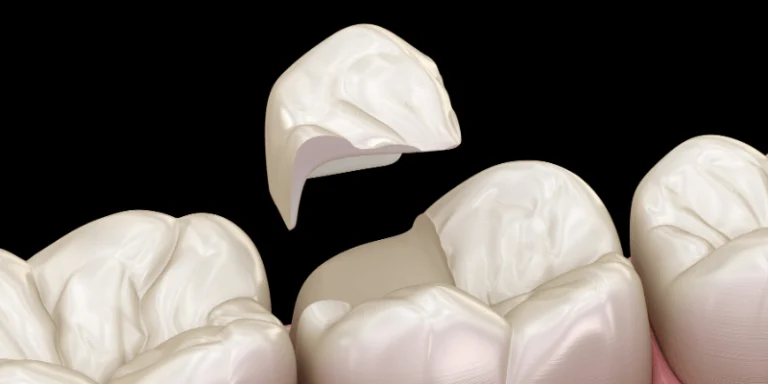
A broken tooth or lost crown can happen at any time and often needs quick attention.
Same-day crowns let emergency dentists repair damaged teeth in just one visit, giving you a permanent solution without waiting weeks for a lab.
This technology has changed how dental emergencies are handled.
You no longer need temporary fixes or multiple appointments when you chip a tooth or lose a filling. Emergency dentists can now use digital scanning and on-site machines to create your crown while you wait.
The process takes a few hours instead of several weeks.
Understanding how emergency same day crowns work helps you make better choices during a dental emergency.
This guide explains when you need immediate dental repairs, what to expect during treatment, and how these crowns compare to traditional options.
Key Takeaways
- Same-day crowns provide permanent tooth repairs in a single emergency dental visit without temporary solutions
- Digital scanning and on-site technology create custom crowns in hours instead of weeks
- Most people with broken or damaged teeth qualify for same-day emergency crown treatment
Table of Content
- When Immediate Dental Repairs Are Needed
- How Same-Day Crowns Work in Emergency Care
- Comparing Same-Day and Traditional Crown Treatments
- Who Is a Good Candidate for Same-Day Emergency Crowns?
- Insurance Coverage and Costs for Emergency Dental Crowns
- Care and Longevity of Your Emergency Dental Crown
- Frequently Asked Questions
When Immediate Dental Repairs Are Needed
Certain dental problems need quick attention to prevent lasting damage and relieve pain. Knowing when to seek emergency dental care can help you protect your teeth and avoid complications.
Recognizing Dental Emergencies
A dental emergency is any problem that needs fast treatment to stop pain, save a tooth, or prevent infection. You should contact an emergency dentist right away if you experience severe tooth pain that doesn’t go away with over-the-counter medicine.
Heavy bleeding from your mouth or gums also counts as an emergency. A tooth that gets knocked out completely requires care within 30 to 60 minutes for the best chance of saving it.
Swelling in your face, jaw, or gums can signal a serious infection. A dental abscess appears as a painful, pus-filled bump and needs immediate treatment to stop the infection from spreading.
Types of Dental Injuries Requiring Crowns
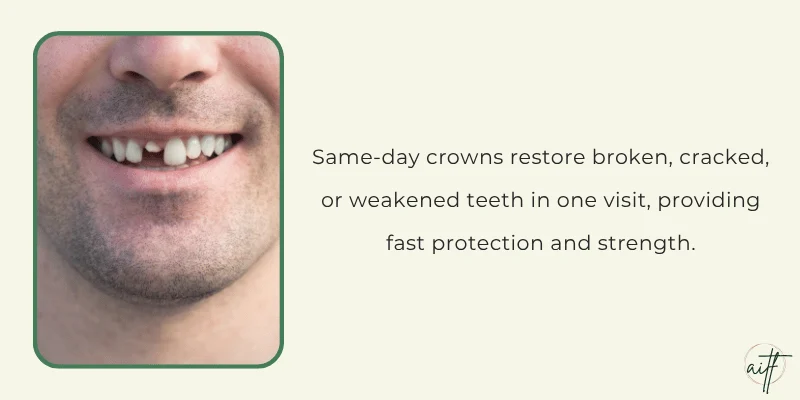
Several types of tooth damage can be fixed with same-day crowns in emergencies. A broken tooth with a large piece missing often needs a crown to restore its shape and strength.
And same day crown for a cracked tooth that goes deep into the tooth structure may need a crown to hold it together and prevent further splitting.
A fractured tooth from biting hard food or suffering an injury can benefit from immediate crown placement.
If you have a broken crown or lost crown on a previously treated tooth, you need a replacement to protect the vulnerable tooth underneath.
Teeth weakened by large cavities or root canal treatment also need crowns for protection. Emergency crown repair services can address these problems quickly, often in one visit.
Risks of Delaying Treatment
Waiting too long to fix dental emergencies can lead to serious problems. An untreated broken or cracked tooth can develop an infection that spreads to your jawbone or bloodstream.
The exposed inner tooth structure becomes more sensitive to temperature and pressure, causing ongoing pain.
A tooth without its protective crown can crack further or break completely. Bacteria can enter through cracks and damaged areas, leading to decay and possible tooth loss.
Your bite alignment can shift if damaged teeth aren’t repaired quickly. Nearby teeth may move into the gap or experience extra pressure, creating new dental problems. The longer you wait, the more complex and expensive your treatment may become.
How Same-Day Crowns Work in Emergency Care
Same-day dental crown technology uses advanced computer systems to design and create your crown while you wait.
The process combines digital scanning with in-office milling machines to deliver in one visit, so the restorative dentistry expert does the procedure.

Digital Scanning and Impressions
Your dentist uses a digital scanner to capture detailed 3D images of your damaged tooth and surrounding teeth. This process takes just a few minutes and eliminates the need for messy putty molds that can make you gag.
The digital impressions are incredibly accurate, capturing every detail of your tooth’s shape and size.
The scanner creates a virtual model of your mouth that appears on a computer screen right away. Your dentist can review these images with you and make sure everything looks correct before moving forward.
This technology allows for immediate adjustments if needed, ensuring you get the best possible fit for your new crown.
On-Site Milling and Crown Creation
Once your digital impressions are complete, the design goes to an in-office milling machine that carves your ceramic crown from a solid block of material.
CEREC technology uses CAD/CAM systems to turn the digital design into a physical crown in about 15 to 20 minutes.
The milling machine works with precision to create your crown based on the exact specifications from the digital scan. You can often watch this process happen right in the dental office.
The ceramic crown material is strong, durable, and matches the color of your natural teeth.
Most same-day crowns are made from high-quality porcelain or ceramic blocks that resist staining and wear. The CEREC system mills the crown to exact measurements, creating a precision fit that feels comfortable in your mouth.
Same-Day Crown Procedure Steps
Your emergency appointment follows a clear sequence. First, your dentist prepares the damaged tooth by removing any decay or broken parts. They then use the digital scanner to take impressions of the prepared tooth.
Next, your dentist designs the crown using specialized computer software that ensures proper shape and bite alignment. The design process typically takes 10 to 15 minutes.
After finalizing the design, the milling machine creates your crown while you relax in the waiting area.
Once milling is complete, your dentist checks the crown’s fit and makes any necessary adjustments. They polish the crown to match the shine of your natural teeth.
Finally, they cement the crown onto your prepared tooth using strong dental adhesive.
The entire process usually takes two to three hours from start to finish.
Immediate Restoration Benefits
You leave the dental office with a permanent crown on the same day as your emergency visit. This means no temporary crown that could fall out or cause discomfort while waiting for a lab-made replacement.
Your tooth is fully protected and functional right away.
The immediate restoration lets you eat and drink normally within a few hours of your appointment. You don’t need to worry about scheduling a second visit or taking more time off work.
The precision fit from digital technology means less adjustment time and better long-term comfort.
Same-day crowns also reduce your risk of infection or further damage to the tooth. Since the tooth is sealed and protected immediately, bacteria can’t enter and cause additional problems.
Lost a crown or damaged a tooth unexpectedly? Contact us to schedule urgent dental care.
Comparing Same-Day and Traditional Crown Treatments
When you need a crown for emergency dental repair, the treatment period and materials differ between same-day and traditional options.
Same-day crowns are made in your dentist’s office during one visit, while traditional crowns require a dental lab and multiple appointments with a temporary crown in between.
Temporary vs. Permanent Crowns
With traditional crown treatment, you’ll wear a temporary crown while the dental lab fabricates your permanent crown.
These temporary crowns protect your prepared tooth but can loosen, fall off, or cause sensitivity before your final restoration is ready.
Same-day crowns eliminate the need for temporary restorations entirely. You leave the office with your permanent crown already bonded to your tooth.
This means you avoid the dietary restrictions and extra caution that temporary crowns require.
Temporary crowns are often a source of patient complaints during traditional workflows. They may fracture or come loose before your second appointment, creating additional stress during an already difficult time.
Timeframe and Appointment Differences
Traditional crowns require at least two separate dental visits. During your first appointment, your dentist prepares the tooth, takes an impression, and places a temporary crown.
The permanent crown is then fabricated at an external dental lab over one to three weeks.
Same-day crowns are designed, milled, and bonded in a single appointment using CAD/CAM technology. The entire process typically takes one to two hours.
Your dentist uses a digital scanner to capture an impression, designs your crown on a computer, and mills it from a ceramic block while you wait.
For emergency situations, this time difference is significant. You can restore damaged teeth and return to normal function the same day instead of waiting weeks with a temporary solution.
Materials: Porcelain, Ceramic, and Metal Options
Traditional lab-fabricated crowns offer the widest range of materials. Your options include porcelain-fused-to-metal, full-cast gold, pressed ceramics, and lab-processed zirconia. Metal crowns work well for back teeth that handle heavy bite forces.
Same-day crowns are most commonly made from zirconia, lithium disilicate, or hybrid ceramic blocks designed for chairside milling systems. These materials provide excellent strength and appearance for most applications.
Porcelain crowns can be made using either method, though complex layering for custom shading may require traditional lab fabrication.
Zirconia has become the most popular same-day material because it combines exceptional strength with increasingly lifelike translucency.
The material you need depends on which tooth requires repair and your specific clinical situation. Your dentist can recommend the best option for your emergency dental repair.
Who Is a Good Candidate for Same-Day Emergency Crowns?
Same-day emergency crowns work best for people with specific types of tooth damage who have good overall oral health.
You need enough healthy tooth structure remaining to support the new crown, and you should be free from active gum disease or infections that could complicate the procedure.

Suitability for Broken, Cracked, and Lost Crowns
If you’ve broken or cracked a tooth, you might be a perfect candidate for a same-day crown. Patients with localized damage to one tooth typically qualify for this fast dental restoration option.
When your existing crown falls off, same-day technology can replace it immediately if the underlying tooth is still in good condition. You’ll need enough intact tooth structure to hold the new crown securely in place.
Cracked teeth that haven’t split completely through the root often respond well to same-day crowns. The dentist will evaluate the crack’s depth and location to determine if immediate crown placement is appropriate.
Deep cracks extending below the gum line may require additional treatment first.
You won’t qualify if you have severe gum disease or active infection around the damaged tooth. These conditions need treatment before any crown placement. Good oral health overall is essential for successful same-day crown procedures.
Managing Crown Repairs After Root Canal
After a root canal, your tooth becomes more fragile and typically needs a crown for protection. Same-day crowns can be placed immediately following some root canal procedures, saving you an extra dental visit.
Your dentist will assess whether your tooth can handle immediate crown placement. Factors like the extent of infection and remaining tooth structure affect this decision.
Some teeth need time to heal before receiving a permanent crown.
If your tooth is stable after the root canal, you can skip the temporary crown phase entirely. This means you leave the office with your permanent restoration in just one appointment.
You avoid the risk of your temporary crown falling off while waiting for the permanent one.
However, teeth with significant infection may need a temporary crown first. This allows the area to heal properly before placing the final restoration.
Situations Where Temporary Crowns Are Advised
Sometimes a temporary crown is the better choice despite same-day technology being available. If you have active infection or swelling, your dentist will likely place a temporary crown until the issue resolves.
Pregnant women may need to wait for permanent crown placement due to safety concerns with certain procedures. A temporary crown protects your tooth until after delivery.
When extensive gum work is needed alongside your crown repair, a temporary solution gives your gums time to heal. The final crown fits better after your tissues have fully recovered.
You might also receive a temporary crown if your bite needs adjustment or if multiple teeth require work. Your dentist can evaluate how everything fits together before committing to permanent restorations.
Budget concerns sometimes lead patients to choose temporary crowns initially, though same-day crowns can save money long-term by reducing office visits.
Insurance Coverage and Costs for Emergency Dental Crowns
Most dental insurance plans provide coverage for emergency crown repairs, though the amount you pay depends on your specific plan and the type of procedure needed.
Dental Insurance and Out-of-Pocket Solutions
Dental insurance typically covers emergency exams and a portion of restorative procedures like crown repair or replacement.
Most plans classify crowns as major dental work, which means you can expect coverage ranging from 50% to 80% of the total cost.
Your out-of-pocket expense depends on several factors. The type of crown material affects the price, with porcelain and ceramic crowns generally costing more than metal options.
Your plan’s annual maximum also plays a role in how much you’ll pay.
Some plans include waiting periods before covering major procedures. If you need urgent care, you might want to look for dental insurance that covers crowns with no waiting period.
Re-cementing a loose crown costs less than getting a full replacement. Bring your original crown to your appointment if it’s still intact, as your dentist may be able to reattach it.
Financing and Payment Options
If you don’t have insurance or face high out-of-pocket costs, financing options can help make emergency dental care more affordable. Many dental offices partner with third-party lenders that approve most applications.
Dental savings plans offer another alternative to traditional insurance. These plans provide discounted rates on procedures in exchange for an annual membership fee.
You pay reduced prices at participating dentists without dealing with deductibles or annual maximums.
Payment plans allow you to spread the cost over several months. Ask your dental office about their in-house financing options before your procedure. Some practices offer interest-free payment plans for a set period.
Credit cards designed for healthcare expenses can also help cover immediate costs. These cards often feature promotional periods with low or no interest.
What to Expect at a Dental Appointment
Your dentist will verify your insurance benefits at the start of your visit. They’ll explain what your plan covers and calculate your estimated out-of-pocket costs before beginning treatment.
The appointment typically takes about two hours for a same-day temporary crown. Your dentist will examine the damaged crown and underlying tooth to determine the best treatment approach.
They may use local anesthesia to keep you comfortable during the procedure.
If your original crown can be reattached, the process is usually quick and straightforward. For replacements, your dentist will scan your tooth and place a temporary crown. You’ll return in about two weeks for the permanent crown placement.
Your dental team will provide a detailed breakdown of all costs before starting any work. This gives you time to review your options and ask questions about payment arrangements.
Care and Longevity of Your Emergency Dental Crown
Your emergency same-day crown can last 10 to 15 years with proper care, and some even reach 20 years. Taking the right steps immediately after placement and maintaining good daily habits will protect your investment and keep your smile healthy.
Post-Placement Tips for Same-Day Crowns
You should wait at least one hour after your crown placement before eating or drinking. This gives the bonding material time to fully set and creates a strong seal.
For the first 24 hours, stick to soft foods and avoid chewing on the side with your new crown. Skip sticky foods like caramel or taffy that could pull at the crown.
You’ll also want to avoid hard foods like ice, nuts, or hard candies that might crack the ceramic material.
If you grind your teeth at night, ask your dentist about getting a night guard. Grinding can significantly shorten your crown’s lifespan and cause chips or cracks.
A custom night guard protects both your natural teeth and your new restoration.
Some sensitivity to hot or cold temperatures is normal for the first few days. This should fade as your tooth adjusts to the crown.
Brushing and Flossing Best Practices

Brush your crowned tooth twice daily using a soft-bristled toothbrush and fluoride toothpaste. While the crown itself won’t decay, the natural tooth underneath still can.
Pay special attention to where the crown meets your gum line, as this area collects bacteria.
Floss around your crown every day to remove food particles and plaque. Slide the floss gently down between your teeth, curve it around the base of the crowned tooth, and move it up and down against the tooth surface.
Don’t snap the floss in and out, as this can loosen the crown over time.
You can use a water flosser as a helpful addition to regular flossing. The water pressure reaches areas that traditional floss might miss and keeps your gums healthy around the crown.
When to Contact Your Dentist for Help
Call your dentist right away if your crown feels loose or shifts when you touch it with your tongue. A loose crown needs immediate attention to prevent it from falling out or allowing bacteria underneath.
Contact your office if you notice any of these warning signs:
- Sharp pain when biting down
- Sensitivity that lasts longer than two weeks
- Visible cracks or chips in the crown
- Swelling or tenderness in the gum around the crown
- A gap forming between the crown and your gum line
You should also reach out if food consistently gets stuck in the same spot near your crown. This might mean the fit isn’t quite right and needs adjustment.
Frequently Asked Questions
Many people worry about how quickly they can get help when a crown breaks or falls out. Understanding your treatment options and what to expect can help you feel more prepared during a dental emergency.
Can an emergency dentist repair or replace a broken crown right away?
Yes, many emergency dentists can address crown problems on the same day you call. If your crown is intact and falls out, your dentist may be able to reattach it by cleaning both the crown and tooth before re-cementing it securely.
This is often the quickest and most affordable option. However, if your crown broke into pieces or cracked badly, you’ll likely need a replacement instead of a repair.
Some dental offices use advanced technology that allows them to create and place a temporary crown during your emergency visit. The permanent crown typically gets placed about two weeks later at a follow-up appointment.
How long does it usually take to get a crown made and placed in one visit?
Most same-day crown appointments take about two to three hours from start to finish. This includes the time needed to scan your tooth, design the crown, and prepare it for placement.
During an emergency visit where you receive a temporary crown, the appointment may be slightly shorter. Your dentist will scan the affected tooth and place the temporary restoration to protect it until your permanent crown is ready.
The actual procedure time can vary based on your specific situation and the type of crown you need.
What should I do if my crown falls off and I’m in pain?
Try to find the crown immediately and rinse it gently with warm water to remove any debris. If you can, carefully slip the crown back over your tooth to protect it until you can see a dentist.
Call your dentist right away, even if the pain isn’t severe. The exposed tooth underneath is vulnerable to sensitivity, bacteria, and further damage.
Avoid chewing on that side of your mouth until you get professional care. You can take over-the-counter pain medication according to package directions to manage discomfort while you wait for your appointment.
Are same-day crowns strong enough for back teeth and chewing?
Same-day crowns are designed to withstand normal chewing forces and can work well for both front and back teeth. Same-day crown technology has transformed restorative dentistry by allowing patients to receive permanent crowns in a single appointment.
Modern materials used for these crowns are durable and can last many years with proper care. Your dentist will ensure the crown fits properly and can handle the pressure from biting and chewing.
Traditional laboratory-made crowns remain another option for certain situations. Your dentist can help you decide which type makes the most sense for your specific needs.
What are my options if I need an urgent crown replacement while visiting Kauai?
If you’re visiting Kauai and experience a dental emergency, you can look for local dental offices that accept walk-in patients or offer same-day appointments.
Many dental practices understand that emergencies happen to travelers and will try to accommodate urgent needs.
Call ahead to explain your situation and ask about availability. Some offices may be able to see you within hours, while others might have limited emergency slots.
It is possible to schedule a same-day appointment in many cases, though availability may vary by location. Bring your crown with you if it fell out, as this could give you more treatment options.
When is a tooth infection too serious to wait, and what does the “3-3-3 rule” mean?
A tooth infection becomes a serious medical emergency when it shows signs of spreading beyond the tooth.
The “3-3-3 rule” refers to warning signs that require immediate medical attention: difficulty swallowing for 3 days, difficulty breathing, or fever lasting 3 days.
You should seek emergency care right away if you notice swelling that extends to your eye, neck, or floor of your mouth. These symptoms suggest the infection is spreading and could become life-threatening.
Other red flags include high fever, severe pain that doesn’t respond to medication, and difficulty opening your mouth or swallowing. Don’t wait for a regular dental appointment if you experience any of these symptoms.