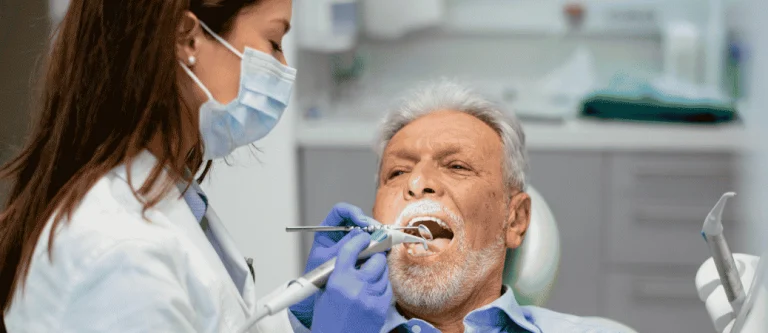
Getting All on 4 dental implants is a big decision, and knowing what happens after surgery helps you prepare and recover with confidence.
You’ll go through several healing stages, from the first 48 hours of swelling and rest to months of bone integration that make your implants strong and stable.
Most people experience the toughest recovery during the first few days after surgery, but you’ll notice steady improvement each week, with complete healing typically taking four to six months as your implants fuse with your jawbone.
During this time, you’ll move from soft foods and limited activity to gradually returning to normal eating and daily routines.
Your recovery depends on following your dentist’s instructions, managing swelling and discomfort, and attending regular check-ups.
This guide walks you through each phase of all-on-4 recovery timeline so you know what to expect at every step.
You’ll learn about managing pain and swelling, what foods to eat during each stage, when you can return to work and exercise, and how to protect your new smile for the long term.
Key Takeaways
- The first few days involve the most discomfort with swelling peaking around day 2 or 3, then gradually improving over the following weeks
- Your implants need several months to fully bond with your jawbone through a process called osseointegration before you receive final teeth
- Following your dentist’s aftercare instructions for diet, oral hygiene, and activity restrictions is essential for successful healing and long-term results
Table of Content
- What to Expect: The All on 4 Recovery Timeline
- Step-By-Step Phases of All-on-4 Dental Implant Recovery
- Essential Aftercare for Successful Healing
- Follow-Up Appointments and Long-Term Maintenance
- Factors That Influence All-on-4 Recovery Time
- Frequently Asked Questions
What to Expect: The All on 4 Recovery Timeline
Your recovery from all-on-4 dental implants happens in clear stages, starting with immediate swelling and discomfort that peaks within the first few days, followed by steady tissue healing over the next two weeks.
The implants then begin bonding to your jawbone through osseointegration over the following months until you’re ready for your final prosthesis.
Immediate Post-Surgery Milestones
The first 24 to 48 hours after implant surgery bring the most intense symptoms.
You’ll likely experience swelling in your cheeks and jaw, mild bleeding or oozing from the surgical sites, and bruising that may appear on your face or neck.
Soreness in your gums and jaw muscles is normal. Many patients describe a tight or full feeling around the mouth during this period.
Managing your symptoms during the first two days:
- Take pain medications exactly as prescribed
- Apply ice packs on and off for the first day
- Keep your head elevated when resting or sleeping
- Avoid bending over or heavy activity
- Don’t smoke or use tobacco products
Your all-on-4 recovery timeline typically shows swelling peaking around day two or three before gradually improving. If your pain gets worse instead of better after several days, contact your dental team right away.
Initial Healing Stage (First Two Weeks)
Most people notice daily improvements during the first two weeks as your tissues begin healing around the implant placement sites. Swelling and bruising fade gradually, and bleeding should be minimal by the end of week one.
You’ll need to protect your all-on-4 implants by avoiding certain activities:
- No heavy lifting or intense workouts
- No smoking or vaping
- Limited alcohol consumption
- Avoid chewing directly on your temporary teeth
Your diet should focus on soft foods that don’t require chewing. Good options include scrambled eggs, yogurt, protein shakes, mashed potatoes, and soft-cooked vegetables.
Stay away from hard, crunchy, or sticky foods that could stress your healing implants.
Gentle oral hygiene becomes important during dental implant healing. Start with saltwater rinses when instructed and brush carefully away from surgical areas.
Many patients return to work within this two-week window depending on their job requirements and how they feel.
Early Osseointegration and Adaptation (Weeks 3–6)
During weeks three through six, your jawbone begins actively fusing with the titanium implants through a process called osseointegration.
You’ll likely feel mostly normal during this stage, but important healing continues beneath the surface.
Your temporary prosthetic teeth may need adjustments as your gums settle and change shape. Some mild tenderness when pressing on the gums is common, especially in the morning when jaw tightness can occur.
You can gradually add more variety to your diet, but you should still avoid foods that require hard chewing. Soft fish, pasta, cottage cheese, and well-cooked vegetables work well during this phase.
Follow-up appointments during this period let your dentist check implant stability and make sure your bite is balanced properly.
An uneven bite that hits too hard in one spot can cause soreness and affect your all-on-4 recovery time. Light exercise is usually fine once you’re cleared, but avoid high-impact activities until approved.
Maturation to Final Restoration (Months 3–6)
The three to six month period represents the heart of implant healing as osseointegration completes and your tissues fully mature.
Your bone continues strengthening its bond with the implants, providing the stability needed for your final prosthesis.
Signs your all-on-four implants are healing well:
- No ongoing swelling or throbbing
- Pink, healthy-looking gums without puffiness
- Comfortable speaking and eating
- Stable temporary bridge that doesn’t shift
- Your dental team confirms good integration
Most patients transition from their temporary teeth to their permanent prosthetic teeth during this timeframe. The exact timing depends on your individual healing progress and your dentist’s assessment of implant stability.
Your bite may be adjusted multiple times as your mouth adapts to the restoration. If you grind your teeth at night, your provider might recommend a night guard to reduce stress on the implants.
Continue with soft-to-normal foods based on your comfort level, but listen to your body and don’t rush into eating very hard or chewy items too soon.
Have questions about healing after implants? Contact us for personalized answers.
Step-By-Step Phases of All-on-4 Dental Implant Recovery
Your recovery happens in clear stages, starting with temporary teeth right after surgery and ending with your permanent smile once bone integration is complete.
Each phase has specific diet rules and care steps that help your dental implants heal properly.
Temporary Teeth and the Soft-Food Diet
You’ll leave surgery with a temporary prosthesis already attached to your implants. These temporary teeth let you smile and eat right away, but they need gentle treatment.
Your soft-food diet is critical during the first few weeks. Stick to foods like:
- Mashed potatoes
- Scrambled eggs
- Yogurt
- Smoothies
- Well-cooked pasta
- Soups
Avoid anything crunchy, sticky, or chewy. Hard foods can put too much pressure on your dental implants before they’re ready. Don’t use straws either, as the suction can disturb healing.
The recovery process typically spans several months, but your diet becomes more flexible as you heal. Most patients stay on soft foods for at least two to four weeks.
Your dentist will tell you when it’s safe to add firmer options.
Adapting to Your Temporary Prosthesis
Getting used to your temporary teeth takes time. Your mouth needs to adjust to the new feel and function of your prosthetic teeth.
You might notice some soreness where the temporary prosthesis sits. This is normal as your gums adapt. Speaking may feel different at first, but most people adjust within a few days of practice.
Keep your temporary teeth clean with gentle brushing. Use a soft toothbrush and avoid putting pressure directly on the implant sites. Salt water rinses after meals help keep everything clean without irritating healing tissue.
Important care tips:
- Sleep with your head elevated to reduce swelling
- Take prescribed medications as directed
- Avoid strenuous activities for 7-10 days
- Don’t skip follow-up appointments
Your temporary prosthesis isn’t meant to last forever, but it protects your implants while bone integration happens underneath.
Transitioning to Your Final Teeth
Complete integration takes 3-6 months as your jawbone fuses with the implants. This process, called osseointegration, creates the strong foundation your final prosthesis needs.
Your dentist will monitor healing through regular checkups. Once bone integration is complete, you’ll switch from temporary teeth to your custom final prosthesis.
These permanent prosthetic teeth are stronger and look more natural than your temporaries.
The transition appointment is usually straightforward. Your dentist removes the temporary prosthesis and attaches your final teeth.
You might need minor adjustments to get the fit and bite just right, but most patients leave the same day with their permanent smile in place.
Essential Aftercare for Successful Healing
Taking care of your All-on-4 implants after surgery directly impacts how well they heal and how long they last. Proper oral hygiene and regular dental visits protect your investment and keep your new smile healthy.
Oral Hygiene and Cleaning Protocols
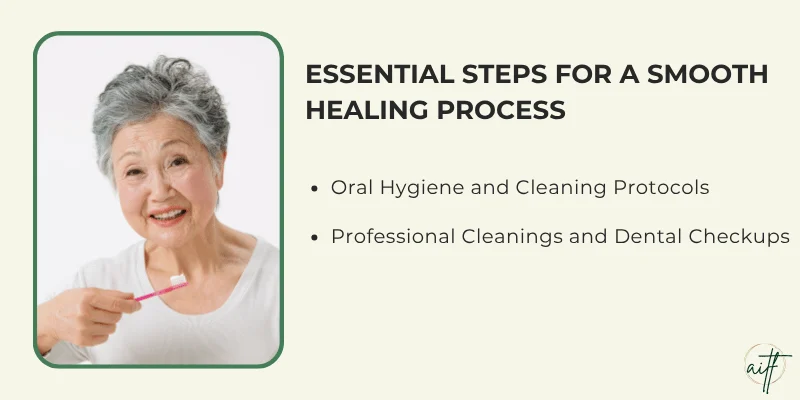
Your oral hygiene routine needs to be gentle but thorough during All-on-4 recovery. Start by using a soft-bristled toothbrush to clean around your implants twice daily.
Avoid scrubbing hard or putting pressure directly on the surgical sites.
Salt water rinses help keep your mouth clean without irritating the healing tissue.
Mix half a teaspoon of salt in warm water and gently swish it around your mouth after meals. Don’t use regular mouthwash for the first week unless your dentist approves it.
Key cleaning steps include:
- Brush gently around each implant site
- Use an antimicrobial rinse as directed by your dentist
- Clean between teeth with special floss or interdental brushes once healed
- Avoid water flossers until your dentist says it’s safe
You’ll need to clean under your temporary teeth carefully. Your dental team will show you the right technique. This prevents food buildup that could lead to infection and affect implant stability.
Professional Cleanings and Dental Checkups
Regular dental checkups become even more important after getting All-on-4 implants. Your dentist needs to monitor how your implants are integrating with your jawbone.
These visits help catch any issues before they affect your implant success rate.
Schedule your first follow-up within a week of surgery. Your dentist will check for infection, proper healing, and implant stability. Most patients need appointments at 2 weeks, 1 month, 3 months, and 6 months after surgery.
Professional cleanings remove plaque and bacteria that you can’t reach at home. Your hygienist uses special tools designed for implants that won’t scratch or damage them.
These cleanings typically start once your mouth has healed from the initial surgery.
After your implants fully heal, plan for professional cleaning and exam every 3 to 6 months. This schedule helps maintain your implants and prevents problems like peri-implantitis, which is gum disease around implants.
Ready to start your All-on-4 journey? Visit us near Evansville, IN, for a personalized consultation.
Follow-Up Appointments and Long-Term Maintenance
Your dental team will schedule regular check-ups to monitor healing and ensure your implants stay healthy for years to come. These visits track everything from initial post-surgery healing to long-term function of your new teeth.
Timeline for Follow-Ups
You should plan to visit your dentist every 3-6 months during the first year after dental implant surgery. These early appointments let your dentist check how well your implants are bonding with your jawbone.
Your dentist will look for any signs of infection or inflammation during these visits. They’ll also make sure your temporary teeth fit correctly and aren’t causing pressure points.
After the first year, most patients shift to regular maintenance visits. You’ll need a professional exam every 3-6 months to keep your implants in top shape.
These cleanings remove plaque and tartar that regular brushing can’t reach.
Maintaining a Natural-Looking Smile

Your all-on-4 recovery doesn’t end when healing finishes. Daily care keeps your implants looking and working like real teeth.
You’ll need to brush twice daily and use specialized tools like interdental brushes or water flossers. These reach the areas around your implants where bacteria can hide.
Regular flossing prevents gum disease that could affect your implants.
The prosthetic teeth attached to your implants may need periodic component replacement every 5-15 years depending on wear. Your dentist will monitor this during check-ups.
Skip hard or sticky foods that could damage your prosthetic teeth. With proper care, your implants can maintain their natural appearance for decades.
Factors That Influence All-on-4 Recovery Time
Your healing timeline depends on several personal factors. Your bone health, daily habits, and overall medical condition all affect how quickly you recover and how well your implants integrate with your jaw.
Bone Health and Bone Grafting Needs
Your jawbone quality plays a big role in your recovery speed. Patients with strong, healthy bone typically heal faster because the implants have solid foundation to attach to.
If you need bone grafting before or during your All-on-4 procedure, expect a longer recovery period. Bone grafting adds extra healing time because your body needs to build new bone tissue first.
This can extend your timeline by several months.
The bone integration process called osseointegration takes 3 to 6 months regardless of bone health. However, patients with stronger bone density often experience fewer complications.
Your age matters too since younger patients usually have better bone quality and faster healing times.
Lifestyle Choices and Recovery
What you do after surgery directly impacts your healing. Smoking slows down blood flow to your gums and can reduce implant success rate by up to 20%. If you smoke, quit at least two weeks before surgery.
Your diet choices matter during recovery. Eating soft, protein-rich foods helps your body heal faster. Foods like eggs, fish, and Greek yogurt give your body the building blocks it needs.
Recovery-friendly habits include:
- Getting 7-8 hours of sleep each night
- Staying hydrated with water
- Avoiding alcohol for the first two weeks
- Taking prescribed medications on time
- Skipping strenuous exercise for 7-10 days
Patients who follow their dentist’s care instructions closely tend to heal 30% faster than those who don’t.
Predicting Your Personal Timeline
Recovery time varies from person to person based on your unique situation. Your dentist will consider your medical history, current medications, and any chronic conditions like diabetes.
Diabetic patients need extra monitoring because high blood sugar can slow healing. If you have diabetes, keeping your glucose levels stable improves your chances of smooth recovery.
Your immune system strength affects how well you fight off infection and heal tissue. People with autoimmune conditions or who take immunosuppressant drugs may need longer recovery periods.
The all-on-4 dental implants cost often includes follow-up visits where your dentist tracks these individual factors and adjusts your care plan as needed.
Start healing with confidence. Contact us and schedule your visit near Evansville, IN.
Frequently Asked Questions
Recovery times vary by person, but most people return to light activities within days while full healing takes several months.
Pain and swelling typically improve after the first week, though mild symptoms can persist during bone integration.
How long does it usually take to heal after an All-on-4 procedure?
Most patients need 3-6 months for complete recovery, but you’ll likely feel much better long before that. The first few days are the most intense, with noticeable improvement by the end of week one.
You can return to work in 2-3 days for most desk jobs. Light activities resume within a week or two.
The longer timeline accounts for osseointegration, which is when your jawbone fuses with the implants. This process happens beneath the surface even when you feel fine. Your temporary teeth stay in place during this period while your mouth heals.
What can I expect during the first week of recovery, day by day?
Days 1-2 bring the most intense symptoms. You’ll have swelling, tightness, and fatigue during this time. Expect to rest and stick to very soft foods or liquids.
Day 3 is often when swelling peaks. After that, it starts to go down. You may notice bruising on your face or neck around this time.
By days 4-7, you should see daily improvements. Bleeding stops, swelling reduces, and you’ll have more energy. You still need to be careful with chewing and follow all activity restrictions your dentist gave you.
Most people manage pain with prescribed medications during the first few days. You’ll use ice packs and keep your head elevated to control swelling.
Is it normal to still have pain or swelling two months after surgery?
Mild tenderness at two months can be normal, but significant pain or swelling is not. During the 1 to 3 month period, your implants are still bonding with your bone.
You might feel some tightness in your jaw or small sore spots from your temporary teeth. These issues usually improve with adjustments from your dental team.
If you have persistent throbbing, new swelling, or pain that’s getting worse instead of better, contact your dentist right away. These could be signs of infection or other complications that need attention.
Some soreness after bite adjustments is normal. Your provider may need to adjust your temporary teeth more than once during this phase.
When can I go back to work, exercise, and normal daily activities after the procedure?
You can usually return to work within 2-3 days if you have a desk job. Jobs that require physical labor may need more time off.
Light exercise is often approved after the first week or two, but you need clearance from your provider first. Avoid heavy lifting, intense workouts, and impact activities during the early weeks.
Don’t bend over repeatedly or do anything that increases blood flow to your head during the first few days. This can increase bleeding and swelling.
Activity restrictions after surgery include no smoking, limited alcohol, and avoiding chewing with your temporary teeth. Even when you feel fine, your implants are still stabilizing underneath.
What foods can I eat during each stage of healing, and when can I return to a regular diet?
Days 1-2 require cool or room-temperature liquids and very soft foods. Good choices include smoothies without seeds, yogurt, protein shakes, and broth that’s not hot. Avoid using straws unless your surgeon approves them.
Week 1 continues with soft foods only. You can add applesauce, mashed potatoes, and scrambled eggs. Skip anything crunchy, spicy, or that requires real chewing.
Weeks 2-4 allow you to add more variety while staying soft. Soft fish, pasta, cottage cheese, and well-cooked vegetables work well. Avoid chips, nuts, crusty bread, tough meat, and sticky candy.
Months 1-3 bring gradual progression based on your healing. Your provider will tell you when you can slowly add firmer foods.
Most people don’t return to completely normal eating until their final teeth are placed and healing is complete.
What are the most important post-op instructions to follow to avoid complications and help healing?
Take all medications exactly as prescribed. This includes pain medication and antibiotics if given. Don’t skip doses or stop early without asking your provider.
Keep your mouth clean using gentle methods. Start saltwater rinses when instructed and brush very gently away from surgical areas. Use any special rinses or cleaning tools your dentist provided.
Rest with your head elevated for the first few days. Use ice packs as directed to control swelling. Don’t smoke or vape, as this significantly increases your risk of implant failure.
Attend all follow-up appointments even if you feel great. Your dental team needs to check healing, clean around your temporary teeth, and make bite adjustments. These visits catch small problems before they become serious.
Call your dentist immediately if you notice heavy bleeding that won’t stop, fever, severe swelling after day 3, pus, bad taste, or sudden increases in pain. Quick action prevents minor issues from turning into major complications.