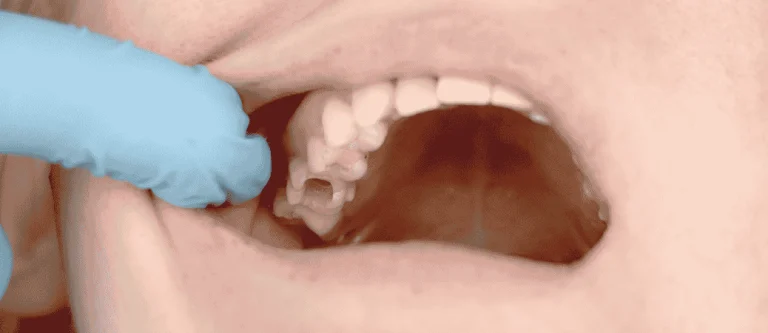
Moving to a new dentist can feel like a big step, but it does not have to be stressful.
If you are switching dentists in Evansville, IN, the easiest way to make the change smooth is to gather your dental records and bring a few key items to your first appointment.
With a little planning, you can start your new dental care experience on the right foot.
You might be switching for many reasons, like moving to a new area, needing a different type of care, or simply wanting a better fit for your family.
Whatever your reason, finding the right dentist matters for your oral health. This guide will walk you through what to expect and how to prepare so your visit feels easy and comfortable.
Your first visit sets the stage for your future dental care. Knowing what to bring and what happens during the appointment can help you feel confident and ready.
Keep reading to learn how to make your switch as simple as possible.
Key Takeaways
- Planning ahead makes it easier to move to a new dentist without stress.
- Bringing the right paperwork and requesting your records helps your new office give you the best care.
- Your first visit is a chance to build a comfortable, long-term relationship with a dental office that fits your needs.
How to Make a Smooth Change
Making a switch doesn’t have to be stressful. If you line up your new dentist first, think about what matters most to you, and book your first visit early, you can move through the process with almost no hassle.
Choose a New Dental Provider Before Leaving Your Current Office
Before you tell your old dentist goodbye, line up a new dental practice. This keeps you from going months without care.
You can start your search with sites or watch video testimonials to see what other patients say about the dental provider. Look at reviews, office hours, and location.
Many patients also check if a practice offers family dentistry, since it helps to have one office for the whole household.
If you’re not sure a practice is right for you, it’s fine to get a second opinion before committing.
This is especially smart if you’re dealing with a bigger issue, like needing orthodontics or a root canal.
Once you find a dentist near you, ask if they’re accepting new patients. Then you can learn how to switch dentists and set up the transfer of your records.
Decide What Matters Most in Your Dental Care
Think about what you want from your new dentist. Everyone has different dental care goals, so it helps to write down what matters most to you.
Some things to consider:
- Do you have dental anxiety and need a gentle team?
- Are you interested in cosmetic dentistry, like whitening or veneers?
- Do you want straighter teeth with Invisalign?
- Do you need routine checkups, or more specialized care?
If you have specific smile goals, share them during your first visit. At All in the Family Dental, our dental team takes time to understand your dental history, concerns, and goals before recommending care.
This personalized approach helps us create a treatment plan that fits your needs and gives your dental team a clear direction from day one.
Schedule Your New-Patient Appointment
Once you’ve picked a new dentist, call to book your first visit. Most offices can get you in within a few weeks.
When you call, ask what to bring. Most new-patient visits ask for your ID, insurance card, and a list of any medications you take.
If your old dentist already sent over your records, let the new office know. This helps them avoid repeat X-rays and speeds up your first visit.
Try to book your appointment before your last visit with your old office ends. This keeps your care on track and avoids any gaps between checkups.
What to Bring to Your Appointment
A little preparation goes a long way when you switch dentists in Evansville. Having the right paperwork, insurance details, and health information ready helps your new dental team get to know you faster and start your care plan sooner.

New Patient Forms and Identification
Most Evansville dental offices ask you to fill out new patient forms before your visit. You can often find these on the practice’s website and fill them out ahead of time, or you can submit your paperwork online before you arrive.
Bring a valid photo ID, like a driver’s license, to confirm your identity. This is a standard step at most medical and dental offices.
If you have any old dental records or x-rays, bring those too. Your new dentist can use them to understand your dental history without repeating tests you’ve already had.
Dental Insurance Details and Payment Questions
Bring your dental insurance card to your first appointment. The front desk staff will need it to check your coverage and figure out what your plan pays for.
If you don’t have a physical card, an app or PDF from your insurance provider usually works fine. Make sure the name and policy number are easy to read.
It also helps to write down any payment questions you have. Ask about copays, deductibles, and whether the office accepts payment plans.
Medication Lists and Health Information
Your dentist needs an accurate medical history to keep your treatment safe. Bring a list of any medications you currently take, including dosages if you know them.
Include over-the-counter drugs, vitamins, and supplements too. Some of these can affect dental treatment or interact with medications your dentist might prescribe.
Write down any allergies, especially to medications like penicillin or latex. If you have health conditions such as diabetes, heart problems, or high blood pressure, mention these as well.
A thorough medical history review helps your new dentist understand your overall health and plan treatment that fits your needs safely.
Questions About Your Smile and Treatment Priorities
Think about your dental care goals before your appointment. Are you hoping to fix a specific problem, improve your smile, or just get back on track with regular checkups?
Write down any questions about your dental health. This might include concerns about pain, sensitivity, or how your teeth look.
If you have smile goals, like whitening or straightening, mention these early. Your new dentist can build these into your treatment plan from the start.
Bringing a short list of priorities helps you and your dentist stay focused during a visit that often includes a lot of new information at once.
Transfer Records From Your Previous Office
Getting your dental records moved to your new Evansville dentist is one of the easiest parts of switching offices.
You just need to sign a form, ask for the right files, and confirm everything arrived before your appointment.
Use a Signed Records Release Form
Your old dentist needs your written permission before they can send your dental records anywhere.
This is called a records release form, and it protects your privacy while telling the office exactly where to send your files.
You can usually get this form by calling or emailing your old dentist’s office. Some offices let you fill it out online, while others ask you to stop by in person or print and mail it.
Fill it out with your full name, birth date, and your new dentist’s contact information. Once it’s signed, your old office has up to 30 days to send everything over, though most send it much faster.
Request X-Rays, Clinical Notes, and Treatment History
When you ask for your records, be specific about what you need. This helps your new dentist get a full picture of your dental history without any gaps.
Ask for:
- X-rays, including any bitewing, periapical, or panoramic x-ray images
- Clinical notes from your past visits
- Your full treatment history, including fillings, crowns, or root canals
- Any referral letters from specialists you’ve seen
Most offices now use digital x-rays, which can be sent through a secure link or email at no cost. If your old office still uses film x-rays, they may need to make copies, which can take a little longer and sometimes comes with a small fee.
Confirm Your Dental Records Transfer Before the Visit
Before your first appointment, check that your new dentist actually received everything. A quick phone call can save you time and confusion on the day of your visit.
Ask your new office directly:
- Did they receive your x-rays and clinical notes?
- Is anything missing, like a panoramic x-ray or treatment history?
- Do they need anything else from your old dentist?
A short, polite call usually gets things moving again. Confirming ahead of time means your new dentist walks into your first visit already knowing your dental background.
What Happens During the First Visit
Your first appointment at a new dental office covers a lot of ground, from getting to know your history to building a plan that fits your needs.
Here’s a simple breakdown of what usually happens once you walk through the door.
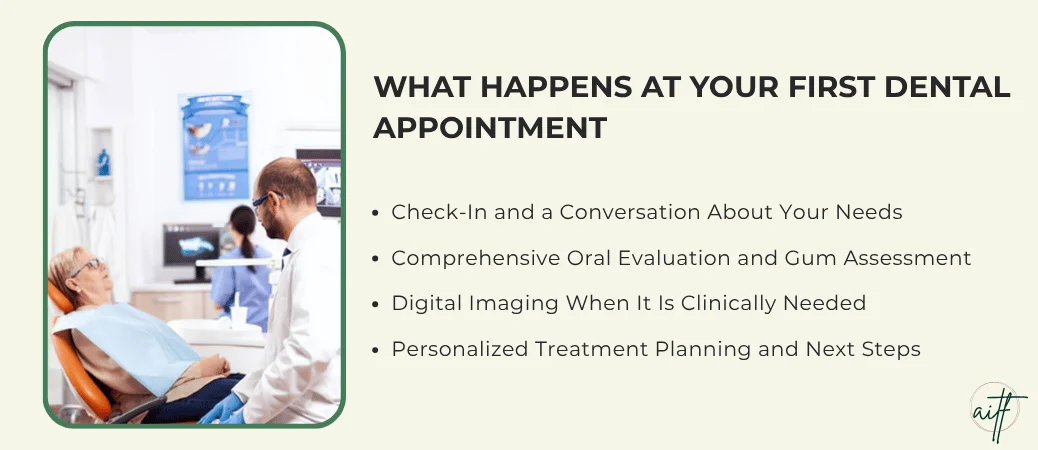
Check-In and a Conversation About Your Needs
When you arrive, you’ll fill out some basic paperwork if you haven’t already sent it in ahead of time. This includes your contact details, insurance information, and medical history.
After check-in, a staff member will likely sit down with you to talk about why you’re there. This is a good time to mention any dental anxiety you might feel, so the team can adjust their approach to help you feel more comfortable.
You can also share your goals, whether that’s fixing a specific problem or just keeping up with routine care.
This conversation helps the dentist understand your priorities before any exam begins.
Comprehensive Oral Evaluation and Gum Assessment
Next, you’ll have a comprehensive dental checkup & exam. The dentist will check your teeth, gums, tongue, and jaw for any signs of trouble.
Part of this exam includes a gum assessment to look for early signs of periodontal disease.
The dentist may measure the space between your teeth and gums using a small tool, which helps spot gum problems before they get worse.
This step matters because gum health affects your overall dental health, not just your mouth. Catching issues early often means simpler and less costly treatment down the road.
Digital Imaging When It Is Clinically Needed
If the dentist needs a closer look at what’s happening below the surface, they may recommend digital x-rays. These images show things a visual exam can’t catch, like cavities between teeth or bone loss.
Some offices also use a panoramic x-ray, which captures your entire mouth in one image. This gives the dentist a wider view of your teeth, jaw, and sinuses.
Not every patient needs x-rays at every visit. The dentist will only take x-rays when they are clinically needed, based on your history and what they find during the exam.
Personalized Treatment Planning and Next Steps
Once the exam and any imaging are done, the dentist will talk with you about what they found. This is where treatment planning comes into play.
They’ll explain any issues in plain language and walk you through your options. You’ll learn what’s urgent, what can wait, and what routine care looks like going forward.
There’s no pressure to decide everything on the spot. You can ask questions, think it over, and choose a plan that works for your schedule and budget.
Special Considerations for Ongoing or Complex Care
Some situations need extra planning before you switch, especially if you’re in the middle of treatment, working toward specific smile goals, or unsure about a diagnosis. Here’s what to think about in each of these cases.
Continuing Care During a Root Canal or Other Active Treatment
If you’re partway through a root canal, don’t panic. You can still switch dentists, but timing matters. Ask your current dentist for detailed clinical notes about what’s been done so far.
This includes X-rays, materials used, and any complications. Your new dentist needs this information to finish the job safely.
It’s best to complete a root canal with the same provider if possible. Switching mid-treatment can sometimes mean extra costs or repeat steps.
If you must switch, tell your new dentist right away so they can review your dental records and schedule you quickly. Delaying treatment on an active root canal can lead to more pain or infection.
Reviewing Cosmetic and Orthodontic Plans
If you’re working on cosmetic dentistry or orthodontics, like veneers or Invisalign, bring your full treatment plan to your new dentist. This includes photos, molds, and any notes about your smile goals.
Your dentist will want to review the original treatment planning documents before continuing. This helps avoid starting over or losing progress you’ve already made.
Ask if your new provider works with the same aligner system or lab as before. Some offices have different processes, which could affect your timeline or cost.
A quick conversation upfront can save you time and money later.
Getting Clarity When You Want a Second Opinion
Wanting a second opinion is normal, especially for costly or complex procedures. You have every right to ask another dentist to review your case before moving forward.
Bring your X-rays, treatment notes, and any proposed treatment plans to the new appointment. This gives the second dentist a clear picture without repeating tests.
Be honest about why you’re seeking another opinion. Whether it’s cost, trust, or just wanting more information, a good dentist will welcome your questions.
This step can help you feel confident in your next decision.
Preparing for a Comfortable Long-Term Dental Home
Finding a new dentist is about more than just fixing your teeth. It’s about building a relationship where you feel heard and comfortable coming back for years to come.
Communicate Dental Anxiety and Comfort Preferences
If you have dental anxiety, tell your new dentist right away. Many people feel nervous about dental care, and a good dental provider will want to know how to make your visit easier.
You can ask about options like:
- Noise-canceling headphones or music during your appointment
- Breaks during longer procedures
- A signal (like raising your hand) if you need the dentist to stop
- Sedation options for more involved work
Being open about your comfort preferences helps your dentist plan your visit around your needs. This small step can make a big difference in how you feel about future appointments.
Ask About Preventive Care, Scheduling, and Follow-Up
Good oral health starts with regular checkups. Ask your new dentist how often they recommend cleanings and exams based on your specific needs.
Most people need a cleaning every six months, but your dentist may suggest a different schedule depending on your gum health or history of cavities.
It also helps to ask about their scheduling process, like how far in advance you need to book and what happens if you need to reschedule.
Talk about your dental care goals, too. Whether you want to fix a specific problem or simply keep your smile healthy, sharing your goals helps your dentist create a plan that fits your life.
Visit Evansville Family Dentistry

If you’re looking for a dental home in the area, All in the Family Dental offers family-focused care for patients of all ages in Evansville, IN.
Choosing All in the Family Dental means you and your loved ones can receive care from the same trusted dental team over time.
This makes appointments easier to manage while helping the team become familiar with your family’s dental history, needs, and goals.
Having a consistent dental home also makes it easier to stay on track with regular checkups and ongoing dental care.
Frequently Asked Questions
Switching dentists in Evansville comes with a few common questions about paperwork, records, insurance, and what your first visit will actually look like.
Here are answers to help you feel ready and confident before you walk through the door.
What should I bring to my first appointment with a new dentist?
Bring a photo ID, your insurance card, and a list of any medications you take. It also helps to bring a short summary of your dental history, including past treatments or ongoing issues.
If you have old X-rays or dental records, bring copies if you have them.
Some offices, like All in the Family Dental, let you fill out new patient forms online ahead of time so you can skip extra paperwork in the waiting room.
How do I transfer my dental records when switching dentists?
You can request your dental records in writing from your old dentist’s office. Your records belong to you, and most offices will send them to your new dentist once you sign a release form.
This process usually takes about 30 days to complete, and the cost is often small, sometimes under $25 for copying fees.
Your new dentist’s office can also help guide you through the request if you’re not sure where to start.
What happens during a first visit with a new dentist?
Your first visit usually starts with a review of your health history and any forms you filled out ahead of time.
From there, the dentist will do an exam, check your teeth and gums, and may take X-rays if needed.
After the exam, the dentist will talk with you about any concerns and go over next steps. This is a good time to ask questions about your dental health or any treatment options.
Do I need to bring my insurance card or Medicaid information to my appointment?
Yes, it’s a good idea to bring your insurance card or Medicaid information to your first visit. This helps the office check your coverage and figure out what services are included.
If you’re switching dentists mid-year, keep in mind that some insurance plans have limits on how often certain treatments are covered.
Bringing your card upfront helps avoid any billing surprises later.
Can I schedule a same-day or walk-in dental appointment in Evansville?
Many dental offices in Evansville can fit in emergency cases, like tooth pain or a broken tooth, even without a scheduled appointment. It’s best to call ahead so the office can check their openings for the day.
Availability can depend on the office and the day of the week. Calling early in the day usually gives you the best chance of getting seen quickly.
How can I find an affordable dentist in Evansville, Indiana?
Start by checking if local dental offices accept your insurance or Medicaid plan. Many offices also offer payment plans or discounts for patients paying out of pocket.
You can also compare a few offices before choosing one. Looking at patient reviews can help you find options that fit your budget and needs.