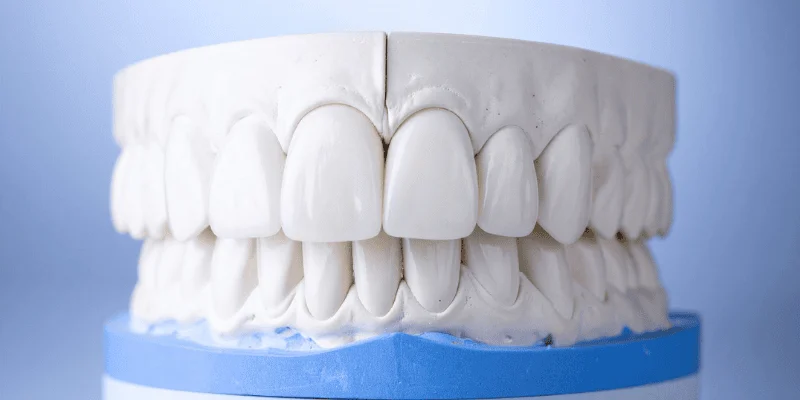
If you’re thinking about improving your smile, porcelain and composite veneers are two popular choices, but they have important differences.
Porcelain veneers are stronger, last longer, and look more natural, while composite veneers are cheaper, faster to apply, and easier to fix. Knowing these key facts can help you decide which option fits your needs and budget best.
Porcelain veneers require more steps and time to apply, but they resist stains and can last up to 20 years.
Composite veneers can usually be done in one visit but may wear down after 5 to 7 years and need more upkeep. Your lifestyle, dental goals, and budget will all influence the right choice for your smile.
Key Takeaways
- Porcelain veneers offer lasting strength and a natural look.
- Composite veneers are a faster and less expensive solution.
- Your decision depends on your budget, time, and how long you want results.
Table of Content
- Porcelain Veneers: Material, Application, and Benefits
- Composite Veneers: Material, Application, and Benefits
- Porcelain vs Composite Veneers: Side-by-Side Comparison
- Choosing the Right Option for Your Smile
- Frequently Asked Questions
Porcelain Veneers: Material, Application, and Benefits
Porcelain veneers use strong, thin shells made from a special ceramic. They fit your teeth closely, helping you get a natural look.
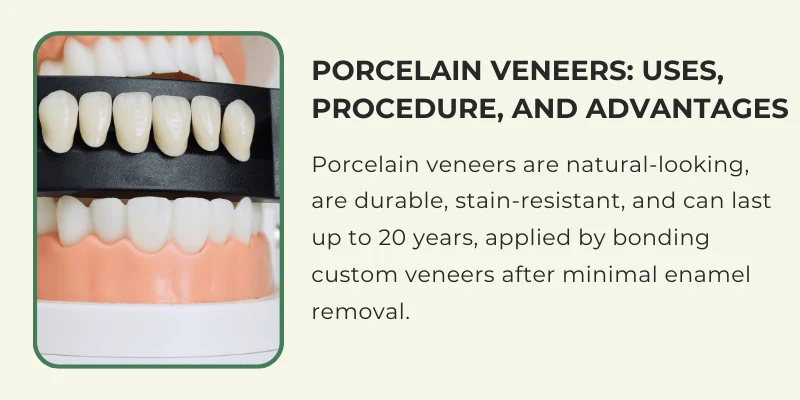
These veneers are carefully crafted for strength and shine. The process involves shaping your teeth and bonding the veneers securely, which helps them last long and resist stains.
Porcelain: Features and Aesthetics
Porcelain is a type of medical-grade ceramic. It looks very much like real tooth enamel because it reflects light in a similar way. This means your veneers will blend naturally with your other teeth.
These veneers are thin but very durable. The material is hard enough to resist chips and cracks, making them a solid option if you want a long-lasting smile upgrade.
Porcelain veneers are made in a dental lab to match your teeth’s shape and color exactly. This makes your new teeth feel and look custom-made, not fake or bulky.
The Porcelain Veneer Procedure
To get porcelain veneers, your dentist will remove some of your tooth enamel. This tiny amount matches the thickness of the veneer, so the final tooth size stays the same.
Your dentist then makes an impression or mold of your teeth and sends it to a dental lab. Lab technicians use this mold to craft the veneers precisely to fit your teeth.
When your veneers are ready, your dentist cleans and roughens your tooth surface. This helps the veneer stick better. Then, a special cement bonds the veneer permanently to your tooth, often hardened by a strong light.
Longevity and Stain Resistance
Porcelain veneers can last up to 20 years with proper care. Their strong material makes them more durable than composite veneers. They also resist stains better, so coffee, tea, or red wine won’t discolor them easily.
Because a bit of your enamel is removed, your teeth might be slightly more sensitive to hot or cold foods after the procedure. Still, keeping your regular dental hygiene and avoiding hard foods will help keep your veneers in good shape.
Composite Veneers: Material, Application, and Benefits
Composite veneers use a tooth-colored resin to improve the look of your teeth. They are applied directly to your teeth, making the process quicker and less invasive. You’ll find them useful for fixing small chips, discoloration, or gaps.
Composite Resin Explained
Composite resin is a mixture of plastic and fine glass particles. This material is designed to look like your natural teeth. It comes in different shades to match your tooth color closely.
Because it’s moldable, your dentist can shape it right on your tooth. This lets you get a custom fit and appearance. Composite resin is also used in dental bonding, where the resin is applied to repair small dental flaws.
How Composite Veneers Are Applied
Applying composite veneers usually takes just one visit. Your dentist will first clean and prepare your tooth surface. Then, they apply the composite resin layer by layer.
After shaping the resin, a special light hardens the material quickly. The dentist will polish the veneer for a smooth, natural look. Since no enamel is usually removed, the procedure is less painful and reversible compared to porcelain veneers.
Advantages and Limitations
Composite veneers cost less than porcelain ones and can be done in one appointment. They are great for minor repairs and instant improvements. Plus, repairs or changes are easier if needed.
However, composite veneers don’t last as long, typically 5 to 7 years. They stain more easily and can wear down faster. They may not be the best for large changes or heavy biting forces. Choosing them depends on your smile goals and lifestyle.

Porcelain vs Composite Veneers: Side-by-Side Comparison
Choosing between porcelain and composite veneers can affect how your smile looks, how long the veneers last, and how much you spend. You’ll want to know what each type offers in terms of appearance, strength, care, and price to make the best choice for your teeth.
Aesthetic Outcomes
Porcelain veneers look very natural because they mimic the light reflection of real teeth. They tend to be more translucent and offer a brighter, whiter appearance compared to composite veneers. This gives porcelain a clear edge if you want a Hollywood-style smile.
Composite veneers are made from a resin that is applied and shaped directly on your teeth. They can also look good, but sometimes they aren’t as shiny or lifelike.
If you want less tooth preparation and a quicker fix, composite veneers might be a good option since they don’t require as much enamel removal.
Durability and Lifespan
Porcelain veneers are the stronger and longer-lasting choice. They can easily last 10 to 20 years if you take care of them well. They are resistant to chips and cracks but still need some care to avoid damage.
Composite veneers usually last 5 to 7 years. They are more prone to chipping and wear because the resin material isn’t as strong. However, if you want a cheaper option with faster treatment, composite could work, but you may need to replace or repair them more often.
Stain Resistance and Maintenance
Porcelain veneers resist stains well. This means you can still enjoy coffee, tea, or red wine with less worry about discoloration. Normal brushing, flossing, and regular dental cleanings are enough to keep them looking good.
Composite veneers stain more easily because of the resin material. You’ll need to avoid or limit foods and drinks that cause stains and keep up good oral hygiene.
Regular brushing and flossing are very important, and your dentist might recommend extra professional cleanings to help keep them bright.
Cost Differences
Porcelain veneers cost more due to their durability and natural look. On average, they can range from $900 to $2,500 per tooth. This price includes lab work and custom fitting, which takes a few weeks.
Composite veneers are less expensive, usually about $800 per tooth when done directly by your dentist. They require less lab work and can often be completed in one visit. While they save money upfront, repairs or replacements over time can add to your overall cost.
Choosing the Right Option for Your Smile
Picking between porcelain and composite veneers depends on your daily habits, budget, and how quickly you want results. Each type has its own pros and cons related to care, cost, and timing that can affect your smile makeover.

Lifestyle and Maintenance Considerations
Porcelain veneers resist stains better than composite ones. If you drink coffee or tea often, porcelain may keep your smile brighter longer. You still need to brush and floss regularly to protect your teeth and veneers from damage.
Ready to enhance your smile with porcelain or composite veneers? Contact our Evansville, IN team for a consultation and find the best option for your needs.
Composite veneers can chip more easily but are easier to repair. If you tend to chew on hard objects or struggle with dental care, you may want to think about the maintenance each type requires.
Both types need care, but porcelain veneers usually require less frequent touch-ups. Your dentist can help you choose based on how much time and effort you’re willing to put into caring for your new smile.
Budget and Long-Term Value
Composite veneers cost less upfront, usually between $250 to $1,500 per tooth. They may last 5 to 7 years but often need replacing sooner. Porcelain veneers are more expensive but can last 10 to 15 years or longer.
Think about the cost of replacements and repairs. Porcelain’s higher price might save you money over time because it lasts longer and resists staining better.
If cost is a major factor, consider starting with composite veneers. Some dentists offer payment plans to help with the cost of porcelain, which can make your smile makeover more affordable.
Timeline and Immediate Needs
Composite veneers can often be made and placed in one visit. You get immediate results, so they’re a good option if you want a quick change.
Porcelain veneers take longer because they are custom-made in a lab, usually requiring impressions and about a week or more wait. During that time, you may wear temporary veneers to protect your teeth and keep your smile looking good.
If your teeth need only minor changes in shape or color, composite veneers provide a faster solution. But if you want a highly natural look with better durability, porcelain is worth the wait.
Not sure which veneers are right for you? Schedule a consultation in Evansville, IN to discuss your smile goals and budget with our experts.
Frequently Asked Questions
What are the pros and cons of porcelain veneers compared to composite ones?
Porcelain veneers look more natural and resist stains better. They are stronger but usually cost more and take longer to get because they are custom made.
Composite veneers are quicker to apply and cheaper. They can be repaired easily but may stain faster and don’t last as long as porcelain.
How long can I expect my composite veneers to last versus porcelain veneers?
Composite veneers typically last 5 to 7 years with good care. Porcelain veneers last longer, often 10 to 15 years or more.
What’s the cost difference between getting porcelain and composite veneers?
Composite veneers cost less, usually between $250 and $1,500 per tooth. Porcelain veneers are more expensive due to custom making and materials, often costing more per tooth.
Can you explain the aftercare needed for composite veneers over time?
You should brush gently with nonabrasive toothpaste and avoid biting hard objects like ice. Stay away from drinks like coffee or tea that might cause staining.
Regular dental check-ups can help spot any issues early and keep your veneers looking good longer.
What are the common disadvantages associated with composite veneers?
Composite veneers can chip or stain more easily than porcelain. They need more frequent replacement and may not always look as natural.
You might also find that they wear down faster, especially if you use your teeth for tough biting.
Could you show some before and after examples of composite and porcelain veneers?
You can find pictures online from dental clinics that show how veneers improve chipped, stained, or uneven teeth.
Comparing those images helps you see the difference in shine, shape, and overall look between composite and porcelain options.