Your dentist can do more than check your teeth. Some dentists now offer botox injections as part of your care. This might sound strange at first, but it can help with more than just wrinkles.
You may not know that dentists commonly use botox for jaw pain, teeth grinding, and gummy smiles. This is because dentists understand facial muscles and how your bite works.
Botox, which comes from botulinum toxin, can relax tight jaw muscles that cause clenching pain, correct a gummy smile, and smooth lip lines around your mouth.
This makes your dentist a good choice for certain cosmetic injectables tied to your oral health.
This article will walk you through how dental botox works, why it helps with jaw pain and grinding, and how it can improve your smile.
You will also learn about cosmetic dentistry near your mouth, safety tips, and what to expect during treatment.
Key Takeaways
- Botox can ease jaw pain and stop teeth grinding by relaxing tight muscles.
- Dentists can use botox to fix a gummy smile and smooth lines around your lips.
- Talking with your dentist helps you find safe, simple options to protect your smile and comfort.
How Dental Botox Works
Botox works by blocking nerve signals to specific muscles, causing them to relax without affecting how you talk, chew, or smile normally.
Your dentist targets specific muscles based on your facial anatomy, jaw alignment, and the exact problem you’re trying to fix.
Targeted Muscle Relaxation and Natural Movement
When you get a botox injection, small amounts of botulinum toxin go into specific muscles that are overworked or too tight.
The toxin blocks the nerve signals that tell those muscles to contract. This means the muscle relaxes, but it doesn’t stop working completely.
For jaw pain and clenching, your dentist usually targets the masseter muscle and temporalis muscle. These are the main muscles you use to bite and chew.
Relaxing them cuts down on clenching and grinding without messing up your ability to eat or talk. You’ll still be able to move your jaw normally. You just won’t clench as hard or as often.
Why Facial Anatomy and Occlusion Matter
Your dentist needs to understand your facial anatomy before giving you Botox. Everyone’s jaw muscles, bite, and joint structure are a little different.
Your dentist checks how your teeth fit together, which is called your occlusion, before deciding where to inject and how much toxin to use.
This step matters a lot because your bite affects how your jaw muscles work. If your teeth don’t line up right, your muscles might work harder to compensate.
That extra strain can lead to more clenching around your temporomandibular joint, the joint that connects your jaw to your skull.
Dentists are trained to look at these connections. This training is part of what makes dental Botox effective for treating TMJ disorders and bruxism rather than just a cosmetic treatment.
What Dental Botox Can and Cannot Address
Dental Botox works well for muscle-related problems like clenching, grinding, and jaw tension. It can also help with gummy smiles and fine lines around your mouth caused by muscle movement.
However, Botox won’t fix structural problems with your teeth or jaw. It also can’t correct issues caused by misaligned teeth or a joint that’s been damaged over time.
Your dentist’s scope of practice also affects what they’re allowed to treat with Botox.
Rules vary by state, and some dentists can only use Botox for muscles involved in chewing and jaw function, while cosmetic uses in other parts of the face may require a different type of provider.
If you’re choosing a cosmetic dentist, it’s worth asking what they’re licensed and trained to treat with Botox before you book an appointment.
Reducing Clenching, Grinding, and Jaw Pain
Botox can calm the muscles behind constant clenching and grinding, easing pain in your jaw, head, and face.
It works alongside other treatments like night guards and physical therapy to give you longer lasting relief.

Bruxism and Teeth Grinding
If you grind your teeth at night, you already know the toll it takes. You might wake up with a sore jaw, a headache, or even chipped teeth.
Bruxism happens when your jaw muscles clench and grind without you realizing it, often while you sleep.
Botox can help by relaxing the masseter muscle, which is the main muscle used for chewing and clenching.
When this muscle gets an injection, it can’t contract as forcefully. That means less grinding, less pressure on your teeth, and less strain on your jaw joint.
Many people notice a difference within a week or two, and the effects typically last a few months.
TMJ Disorders and Muscle-Related Pain
TMJ disorders affect the joint that connects your jawbone to your skull. When this joint or the muscles around it get overworked, you can end up with TMJ pain that makes it hard to chew, talk, or even open your mouth wide.
Botox for TMJ targets the muscles causing the strain, including the masseter and temporalis muscles. By reducing muscle activity in these areas, Botox can ease tension and give your jaw joint a break.
This isn’t a cure for TMJ disorders, but it can be a helpful part of your treatment plan.
Your dentist may also recommend bite adjustments to help your teeth fit together more comfortably, which can reduce stress on the joint over time.
Headaches, Migraines, and Muscle Tension
Jaw clenching doesn’t just affect your mouth. It can also lead to headaches and migraines that start in your temples or the back of your head.
This happens because the same muscles you use for chewing, like your temporalis muscle, connect to areas that trigger head pain when they’re overworked.
When you clench or grind for hours each night, that muscle tension has to go somewhere.
Botox injections may help reduce muscle-related headaches when jaw clenching or muscle tension is contributing to the pain.
Some people who struggle with chronic migraines find that treating their jaw muscles helps more than they expected, since jaw tension is often an overlooked trigger.
Pairing Botox With a Night Guard and Physical Therapy
Botox works best when it’s combined with other tools that support your jaw health. A night guard, or bite splint, is one of the most common ones your dentist might suggest.
It creates a barrier between your top and bottom teeth while you sleep, protecting them from the effects of grinding.
This won’t stop clenching on its own, but it does prevent damage while your muscles adjust after Botox.
Physical therapy is another helpful addition. A therapist can teach you exercises and stretches that improve jaw mobility and reduce muscle tightness between treatments.
Together, these approaches can:
- Lower how often you clench or grind
- Protect your teeth from wear
- Improve jaw movement and comfort
- Extend the benefits you get from Botox
Your dentist can help you figure out which combination works best for your specific symptoms, whether that’s occasional jaw soreness or ongoing TMJ pain.
If you notice signs of masseter hypertrophy, like a squared or bulky jawline from years of clenching, this combination approach can also help soften that look over time as the muscle relaxes.
Botox for Gummy Smile Correction
A gummy smile happens when your upper lip pulls up too high when you smile, showing more gum than you’d like.
Botox can relax the muscles causing this, giving you a smile that feels more balanced.
What Counts as Excessive Gingival Display
Your dentist may use the term “excessive gingival display” to describe a gummy smile. This means more than 3 to 4 millimeters of gum tissue shows above your teeth when you smile.
Small amounts of gum showing are normal and healthy. But when a lot of gum shows, it can make you feel self-conscious about smiling in photos or around other people.
Your dentist will measure how much gum shows and how your lip moves. This helps figure out if botox for gummy smile treatment is a good fit for you.
When Hyperactive Lip Muscles Are the Cause
Not every gummy smile comes from the same problem. Sometimes your jawbone is shaped in a way that shows more gum, and other times your teeth or gums are just longer than average.
But a common cause is a hyperactive upper lip muscle. This means the muscle that lifts your lip works too hard, pulling it up higher than it needs to go.
If your dentist finds that muscle activity is the main issue, you’re a good candidate for Botox.
This is because a hyperactive upper lip is the cause most responsive to Botox, making muscle-driven gummy smiles ideal for this type of treatment.
Careful patient selection matters here, since Botox won’t help gummy smiles caused by bone or gum tissue instead of muscle movement.
Key Upper-Lip Muscles and the Yonsei Point
Two muscles play a big role in lifting your lip too high. These are called the levator labii superioris and the levator labii superioris alaeque nasi.
Both muscles connect to your upper lip and pull it upward when you smile. When they’re overactive, they raise your lip more than needed, showing extra gum tissue.
Dentists often use a spot called the Yonsei point to guide where they place the Botox injection.
This point sits at a specific spot where both muscles overlap, so injecting Botulinum Toxin Type A here relaxes hyperactive muscles at once.
Targeting this exact area helps limit how much gum tissue shows without affecting your natural smile movement too much.
Expected Smile Changes and Patient Satisfaction
After your Botox injection, you can expect your smile to look different within a few days to about two weeks. Your lip will lift less, so less gum will show when you smile.
The treatment doesn’t stop your smile completely. It just softens the upward pull so your smile looks more balanced.
Most people who try Botox for gummy smile correction report feeling happier with how their smile looks afterward.
Patient satisfaction tends to be high because the treatment is quick, doesn’t require surgery, and has little downtime.
Since results usually last three to four months, you’ll want to plan follow-up visits to keep enjoying your improved dental aesthetics.
When Botox Is Not the Only Gummy Smile Solution
Botox works great for many gummy smiles, but it is not a fix-all. Sometimes your gum show comes from bone structure, gum tissue, lip length, or tooth shape, and each of these needs its own kind of treatment.

Vertical Maxillary Excess and Skeletal Concerns
If your upper jaw grows a bit too long, you may have what dentists call vertical maxillary excess. This means your jaw bone itself pushes your gums and teeth down too far when you smile.
Botox cannot change bone, so this issue often needs a different approach. Your dentist may send you to an oral surgeon who can look at surgical correction options for gummy smile causes like jaw surgery.
This sounds like a big step, but it is usually only needed for more severe cases. Your dentist will check your bite and jaw shape first before suggesting this path.
Altered Passive Eruption and Crown Lengthening
Sometimes your teeth are actually the right size, but your gum tissue covers too much of them.
This is called altered passive eruption, and it happens when gum tissue does not pull back as much as it should as you grow.
In this case, you might benefit from crown lengthening treatment to fix your crown length.
This means a dentist trims back extra gum tissue, and sometimes a little bone, to show more of your natural tooth.
This is a simple, one-time fix rather than a treatment you repeat every few months like Botox. It can make your teeth look longer and more balanced right away.
Short Upper Lip, Lip Enhancement, and Dermal Fillers
A short upper lip is another common reason for extra gum show. When your upper lip is shorter than average, it naturally rides up higher when you smile, showing more gum tissue.
You have a few choices here. An upper lip lift is a small surgery that shortens the space between your nose and lip, while lip enhancement with dermal fillers can add volume without surgery.
Dermal fillers for gummy smile work by adding fullness to your lip, which can help pull it down slightly and soften your nasolabial fold.
This option is quick and reversible, making it a good starting point if you are not ready for surgery.
Orthodontics, Veneers, and a Complete Smile Makeover
If your gummy smile comes from crooked teeth or a bite problem, orthodontics may be your best option.
Braces or clear aligners can shift your teeth and gums into a more even position over time.
For cosmetic concerns about tooth shape, veneers can help create better tooth proportions.
This is popular in cosmetic dentistry because it changes how long or wide your teeth look without touching your gums at all.
You can also combine treatments for a full smile makeover. To see how these options stack up, you can compare gummy smile treatments side by side and talk with your dentist about which mix fits your goals for better dental aesthetics.
Lip Lines and Facial Balance Around the Smile
Small lines around your lips can change how your smile looks, even when your teeth are healthy and straight. Botox and other cosmetic injectables can smooth these lines while keeping your smile natural and balanced.
Softening Perioral Muscle Activity
The muscles around your mouth move every time you talk, eat, or smile. Over time, this movement can create fine lines, often called lip lines or smoker’s lines, even if you’ve never smoked.
Botox works by relaxing these small muscles. This reduces muscle activity that causes the lines to form.
Your dentist will use very small doses. This helps smooth lip lines without affecting how you talk or eat.
The goal is soft, natural results. You should still be able to smile, laugh, and speak just like before treatment.
Combining Cosmetic Injectables With Dental Aesthetics
Botox often works well alongside other treatments for a full smile restoration. Many dentists now offer both botox and dermal filler in the same visit.
Dermal fillers add volume to areas like the lips or nasolabial fold, which are the lines that run from your nose to the corners of your mouth.
This can support lip enhancement goals while botox handles muscle-related lines.
Here’s how these treatments often work together:
- Botox: relaxes muscles that cause lip lines
- Dermal fillers: add volume and fullness to lips or cheeks
- Cosmetic dentistry: straightens or whitens teeth for a balanced smile
When combined, these treatments support overall facial aesthetics instead of focusing on just one area.
Maintaining Expression and Facial Harmony
Your dentist’s main goal is to keep your face looking like you, just smoother. This means using a light touch with botox around your mouth.
Too much product in this area can affect how you speak or eat. A skilled provider will avoid this by using precise, small doses placed carefully around the lip line.
Facial harmony means your smile fits well with the rest of your face. Your lips, cheeks, and jaw should look balanced together, not like one feature stands out on its own.
This balance is why many people now turn to their dentist for these treatments.
Dentists already understand facial muscles and bite function, which helps them plan botox and filler treatments that support your natural expressions.
Treatment Planning, Safety, and Maintenance
Getting Botox at the dentist’s office involves more than a quick shot, it starts with a careful exam and ends with a plan for keeping your results and your smile healthy long-term.
Knowing what to expect at each stage helps you feel confident and comfortable throughout the process.

Consultation, Diagnosis, and Patient Selection
Before any needle comes out, your dentist will ask about your symptoms, medical history, and goals. This helps them figure out if you’re a good fit for treatment.
Patient selection matters a lot here. Someone with mild jaw tension might do fine with a night guard or bite splint, while someone with chronic clenching pain may benefit more from Botox.
Your dentist will also study your facial anatomy closely. This step is key because botulinum toxin dosing and placement depend on your muscle size and how your face moves when you smile or clench.
What Happens During and After Injections
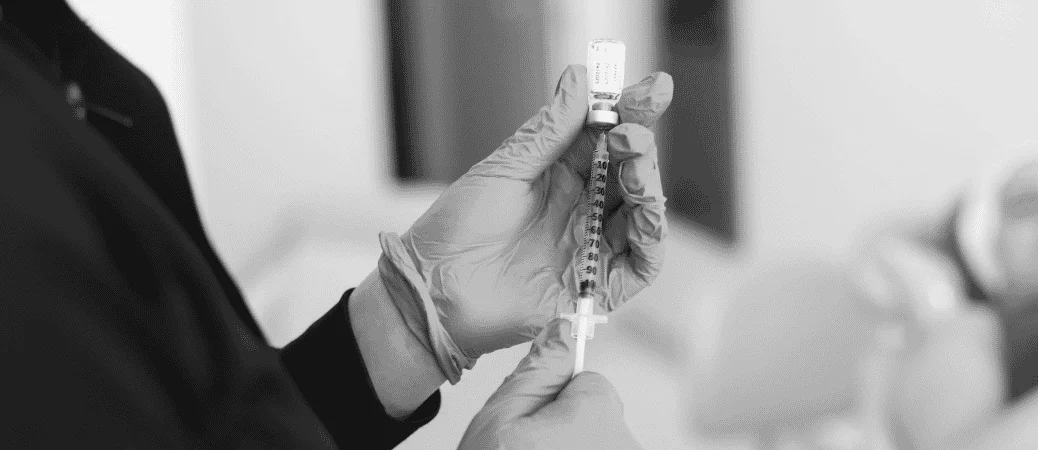
The actual botox injection is quick and doesn’t take long at all. Your dentist will clean the area, mark injection points, and use a thin needle to place small amounts of the toxin into specific muscles.
You’ll likely feel a slight pinch, but most patients say it’s less uncomfortable than a typical dental shot.
After your botox treatment, you can usually go back to your normal day right away. Your dentist may ask you to avoid rubbing the area, skip strenuous exercise for a few hours, and stay upright for a bit.
Mild swelling or small bruises can happen but usually fade within a day or two.
Side Effects, Contraindications, and Provider Qualifications
Most side effects are mild and temporary. You might notice slight swelling, redness, or a small bruise where the injection went in.
Rare side effects can include uneven muscle movement or a temporary change in your smile if the dose isn’t placed correctly. This is why choosing a skilled provider matters so much.
Botox isn’t right for everyone. People who are pregnant, breastfeeding, or have certain neuromuscular conditions should avoid it.
Dentists who offer this treatment need training that goes beyond regular dental school.
Because treating pain and improving oral function with Botox falls within their scope of practice in many states, your dentist should be able to explain their certification and experience openly.
Results Timeline, Repeat Visits, and Ongoing Dental Care
You won’t see results overnight. Most people notice changes within three to seven days, with full effects showing up around two weeks after treatment.
Results typically last three to four months before the muscles start regaining their normal activity. This means you’ll need repeat visits to keep your results steady.
Many patients report high patient satisfaction with reduced jaw pain and fewer headaches between visits.
Botox doesn’t replace good oral health habits. Keep up with regular checkups, cleanings, and any night guard use your dentist recommends.
This combined approach helps protect your teeth and keeps clenching-related pain from coming back.
Frequently Asked Questions
Here are answers to some common questions about how Botox works for jaw pain, gummy smiles, and lip lines at the dentist.
How does Botox help with jaw clenching and teeth grinding?
Botox relaxes the muscles that cause you to clench or grind your teeth. When these muscles calm down, you feel less tension and pain in your jaw.
Dentists often target the masseter muscle, which is the main muscle used for chewing.
This is sometimes called masseter reduction for face slimming, and it can also ease the strain that leads to headaches.
Is Botox for jaw clenching worth it?
If you have tried other options like night guards or physical therapy and still deal with pain, Botox might be worth trying.
It offers relief for chronic jaw pain when other treatments have not worked well enough.
You should talk with your dentist about your specific symptoms first. They can help you decide if Botox fits your needs and goals.
How much does Botox for a gummy smile typically cost?
Prices can vary quite a bit depending on where you live and how much Botox you need. In many cases, gummy smile treatment costs somewhere between $300 and $800 per session.
Your dentist can give you a more exact price after checking your smile and figuring out the right dose for you. Some offices may also offer package deals if you plan to get treatments more than once.
How long do Botox results for a gummy smile last?
Botox results usually last around three to four months before your muscles start moving the way they did before. After that, you may notice your gum line becoming more visible again when you smile.
Many people choose to schedule follow-up treatments to keep their results steady over time. Your dentist can help you plan a schedule that works for your smile goals.
Can Botox reduce the appearance of lip lines and smile lines?
Yes, Botox can help smooth out lines around your lips and mouth. It works by relaxing the muscles that cause vertical lip lines, which can also help with lip drooping.
Some patients combine this treatment with other dental work, like veneers or teeth whitening, for a more complete smile makeover.
Ask your dentist if combining treatments makes sense for your situation.
Is Botox at the dentist safe for treating clenching and cosmetic concerns?
Botox is an FDA-approved medication that has been used safely for many years. Dentists study facial anatomy in depth, which gives them a strong understanding of the muscles they are treating.
Because dentistry involves detailed knowledge of facial muscles, many dentists are well suited to give these injections. As with any treatment, it helps to ask your dentist about their training and experience with Botox before you begin.