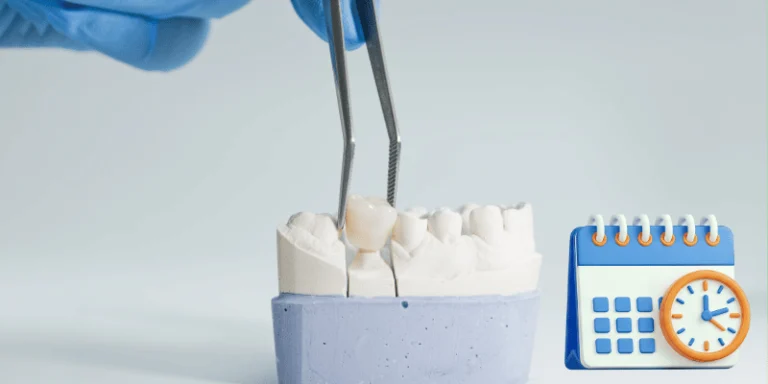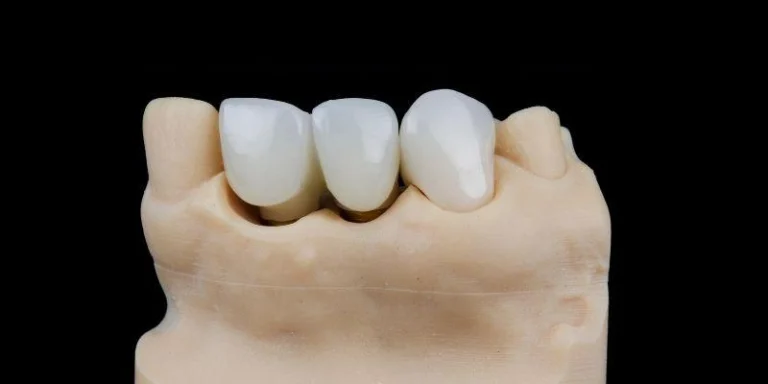
You can receive a permanent crown in one visit, or wear a temporary crown while your final crown is fabricated.
Same-day crowns are finished, fitted, and cemented during a single appointment, while temporary crowns protect your tooth between visits and are not meant to last.
If you want to save time and avoid a second trip to the dentist, same-day crowns often give a faster, more convenient fix. If your case requires lab work, complex shaping, or staged treatment, a temporary crown protects your tooth until the final restoration is in place.
When comparing same day crowns vs temporary crowns, the main difference is convenience versus treatment complexity, depending on how quickly your final restoration can be completed.
Key Takeaways
- Choose same-day crowns for one-visit permanent restoration when your tooth and schedule allow.
- Use temporary crowns when lab fabrication or phased treatment requires a short-term protective solution.
- Durability, cost, and clinical needs guide which crown option fits your situation.
Understanding Dental Crowns and Their Purpose
Dental crowns protect broken, weak, or worn teeth and restore how they look and work. They can cover a single tooth, hold a dental bridge, or cap an implant. Crowns affect your bite, chewing, and smile appearance.
What Is a Dental Crown?
A dental crown is a tooth-shaped cap that fits over a prepared tooth. It covers the visible part of the tooth above the gum line and bonds with dental cement. Crowns come in materials like ceramic, porcelain-fused-to-metal, and metal alloys.
Ceramic and porcelain match tooth color for cosmetic dentistry, while metal crowns tend to last longer in the back teeth.
You will sometimes hear “full coverage” because the crown replaces missing tooth walls. The dentist trims your tooth so the crown fits snugly and keeps your bite aligned. Crowns can be made in a lab or milled in the office for same-day placement.
Why and When Crowns Are Needed
You need a crown when a tooth is too damaged for a filling to restore strength or shape. Common reasons include large cavities, cracked or broken teeth, severe wear from grinding, and after root canal therapy. Crowns also improve appearance when a tooth is stained, misshapen, or poorly formed.
Crowns support chewing and prevent further decay by sealing the tooth. Your dentist will check X-rays, tooth structure, and bite to decide. If you want a cosmetic fix, a crown can change color and contour to match nearby teeth and boost your oral health and confidence.
What Are Same-Day Crowns?
Same-day crowns let you get a permanent crown in one appointment. They use digital scanning and in-office milling so you skip temporary crowns and a second visit.
How Same-Day Crowns Are Made
Your dentist first numbs and prepares the tooth, then captures a digital impression with a 3D scanner. This replaces gooey putty and gives a precise image of your tooth, bite, and neighboring teeth.
The digital file goes into CAD/CAM software where the crown is designed to match shape and color. You can see adjustments on-screen so the fit and look are tuned before cutting begins.
An in-office milling machine carves the crown from a solid ceramic block. Milling usually takes 10–30 minutes depending on complexity. After milling, the crown may be stained, glazed, and fired or polished to match your teeth before cementing it in place.
In-Office Technology and Materials
Most same-day crowns are made from strong ceramics like lithium disilicate or zirconia. These materials resist wear and can match tooth color closely, so the crown looks natural.
The common workflow uses CEREC-style CAD/CAM systems: a digital scanner, design software, and an in-office milling unit. Digital imaging improves accuracy and reduces adjustments at placement. Chairside Economical Restoration of Esthetic Ceramics (CEREC) is a widely used brand name for this process.
Your dentist will choose material based on the tooth’s location, bite forces, and aesthetic needs. Front teeth may need high translucency ceramic, while back teeth may need a tougher zirconia option for chewing. The whole process keeps you in the chair for about 1–3 hours.
When to Choose Same-Day Crowns
Choose same-day crowns when you want speed, fewer visits, and no temporary crown. They work well for single crowns on teeth that aren’t severely broken or in complex multi-unit cases.
Same-day crowns suit busy schedules, immediate cosmetic fixes, and situations where you want a precise fit from a digital impression. They may not be ideal if you need extensive tooth build-up, multiple connected crowns, or special lab-made layering for a perfect front-tooth match.
Ask your dentist about material choices, warranty, and whether your tooth’s condition fits same-day technology. If you value convenience and reliable aesthetics, same-day dental crowns can be a practical option for many common crown needs.
What Are Temporary Crowns and Traditional Crowns?
Temporary crowns protect your prepared tooth and keep you comfortable while a permanent crown is made. Traditional crowns are the long-term caps that replace the temporary, and they can be made in a lab or at the chairside using different materials and methods.
Temporary Crowns: Role and Process
Temporary crowns cover a prepared tooth the day your dentist trims it. They stop sensitivity, keep the tooth from shifting, and let you eat and speak normally until the permanent crown arrives.
Dentists usually make temporaries from acrylic or composite resin, which is quick to shape and easy to cement with a weaker adhesive so removal is simple.
The dentist takes the tooth down to a smaller size, fits the temporary, and checks your bite. Temporaries can last from a few days to a few weeks, but they can chip or come loose, so avoid sticky or hard foods. If a temporary falls off, call your dentist; they can re-cement it or make a new one.
How Traditional Crowns Are Created
Traditional crowns replace temporaries and are designed to last years. Most are made in a dental laboratory by technicians who use either physical impressions or digital scans of your mouth.
Common materials include full metal (gold or alloys), porcelain-fused-to-metal (PFM), and all-ceramic. Porcelain-fused-to-metal crowns combine a metal core for strength with a porcelain outer layer for a natural look.
After your dentist sends impressions to the lab, the technicians build a precise model and craft the crown to match your bite and tooth color. You return for a second visit so the dentist can try in, adjust, and cement the crown permanently.
Lab-made crowns tend to offer stronger long-term fit and color matching than quick chairside options.
Lab-Made vs. Chairside Crowns
Lab-made crowns are crafted by skilled technicians at a dental laboratory using physical impressions or digital files. They allow complex shaping, layered porcelain work, and detailed color matching.
This process can take one to three weeks but often yields superior durability and aesthetics, benefits of traditional crowns many patients value.
Chairside crowns use in-office systems to mill a crown during one visit. These are often ceramic blocks shaped by CAD/CAM machines and let you skip a temporary crown. Chairside crowns can be excellent for convenience, but some PFM or metal crowns still require lab work.
You’ll choose based on how quickly you need a final crown, the material you want, and whether you prioritize same-day convenience or the specific benefits of lab-made traditional crowns.
Not sure which option suits your case? Our Evansville, IN dental team can help you compare same day crowns vs temporary crowns confidently.
Key Differences: Same-Day Crowns vs Temporary/Traditional Crowns
Same-day crowns let you leave the office with a finished crown after one visit. Traditional crowns usually need tooth preparation, impressions, a temporary crown, and a second appointment for final cementation.
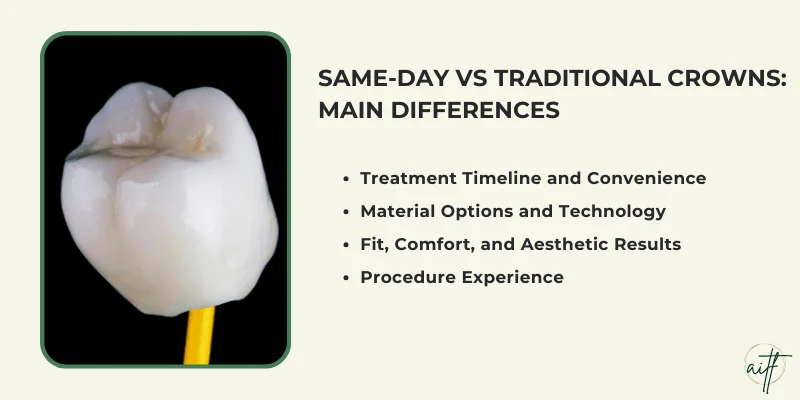
Treatment Timeline and Convenience
With a same-day crown, you typically have one longer dental appointment. Your dentist prepares the tooth, scans it with a digital scanner, mills the crown in the office, and fits it the same day. This cuts out the need for a separate visit and avoids wearing a temporary crown that can fall off.
Traditional crowns require at least two visits. After tooth preparation, the dentist takes impressions and sends them to a dental lab. You wear a temporary crown while the lab makes the final restoration, then return for cementation. That extra trip adds time off work and extra chair time.
If cost and fewer visits matter to you, same-day crowns can save time and reduce appointments. If your dentist lacks in-office milling equipment, you’ll likely get a traditional crown instead.
Material Options and Technology
Same-day crowns most often use single-block ceramic materials, like high-strength zirconia or lithium disilicate, milled by CAD/CAM machines. This digital workflow helps match shade and shape quickly and supports cosmetic dentistry goals without lab delays.
Traditional crowns offer a wider range of materials: metal alloys, porcelain-fused-to-metal, and layered ceramics made in a lab. Labs can layer porcelain for more detailed color match, which some dentists prefer for front-tooth cosmetics.
Digital impressions speed same-day work and reduce gagging from putty impressions. But labs can still craft highly customized crowns for complex cases. Discuss materials and cost with your dental practice so you know whether same-day options meet your aesthetic needs and budget.
Fit, Comfort, and Aesthetic Results
Same-day crowns use precise digital scans, which often yield a snug fit and less need for adjustment. Milling from a single ceramic block gives strong, natural-looking crowns that resist staining and blend well with adjacent teeth.
Temporary crowns can feel bulkier and less comfortable. They’re meant as short-term protection and often need replacement or adjustment. The final traditional crown made in the lab usually fits better than a temporary, but you still return for final trimming and cementing.
For front teeth, lab-made crowns may offer finer color layering for cosmetic dentistry results. For back teeth, same-day ceramic crowns provide durable function. Ask your dentist about how crown cost and desired appearance affect the final choice.
Procedure Experience
A same-day crown visit often includes local anesthesia, tooth shaping, a digital scan, and a milling step you can watch in the operatory. You get fewer injections overall and avoid the inconvenience of a temporary crown that might loosen.
Traditional crown procedures include tooth prep, physical or digital impressions, and placement of a temporary crown. You cope with a temporary for weeks, which can increase sensitivity or risk of breakage. Return visits require another local anesthetic and final cementing.
If you value fewer dental appointments and immediate completion, same-day crowns reduce time in the chair. If your case needs lab customization or complex adjustments, the traditional route may give your dentist more control over the final result.
Have questions about same day crowns vs temporary crowns? Contact our dental team for clear answers and personalized recommendations.
Durability, Longevity, and Suitability
Same-day crowns and temporary crowns serve different roles. One is made to last as a permanent restoration, while the other protects your tooth briefly. The coming points explain strength, when to pick each, and how to care for them.
Strength and Lifespan
Same-day crowns are milled from solid blocks of ceramic or zirconia. These materials resist fracture and wear better than the soft acrylic often used for temporaries. A properly placed ceramic or zirconia crown can last 10–15 years or more with good care.
Temporary crowns are usually acrylic or resin. They are not meant for heavy chewing or long-term use. Expect them to last weeks to a few months before they wear, chip, or loosen.
Porcelain-fused-to-metal and metal crowns remain the longest in many cases, but same-day ceramic crowns now match them for most front and back teeth.
If your bite is heavy or you grind your teeth, metal or porcelain-fused-to-metal may be a better long-term choice for back teeth. Discuss material choice with your dentist based on tooth location, chewing forces, and cosmetic needs.
When to Consider Each Type
Choose a same-day crown when you want a permanent dental restoration in one visit. You avoid a temporary, and the crown is designed to match shape and shade. This is a good option for single damaged teeth or when you need a quick cosmetic fix.
Use a temporary crown if your dentist needs more time to adjust the tooth, build up the core, or send work to a lab for specialized materials. Temporaries also protect teeth after root canals or while implants heal.
Pick a temporary when you need to test fit, bite, or appearance before committing to a final material like porcelain-fused-to-metal.
If you have complex restoration needs, large fillings under the crown, poor tooth structure, or implant work, a temporary gives your dentist flexibility to plan a stronger final crown. Your dentist will help you weigh durability against treatment steps.
Oral Health and Maintenance
Treat a same-day crown like a natural tooth. Brush twice daily with fluoride toothpaste, floss carefully at the gum line, and use a soft-bristle brush to protect the ceramic surface. Keep regular dental visits so your dentist can check the crown margin for decay or wear.
For temporary crowns, avoid sticky or hard foods and do not bite fingernails or chew ice. Use floss with a gentle slide technique to avoid pulling a temporary off. If the temporary loosens, call your dental office, repair is usually simple.
Good oral hygiene prevents decay under any crown type. If you have gum disease, poor oral hygiene, or bruxism, tell your dentist. They may recommend a night guard, periodontal care, or a different crown material to protect your long-term dental restoration and your smile.
Costs, Insurance, and Decision Factors
You’ll need to balance price, your insurance plan, and how quickly you want the crown placed. Costs vary by material, the dental practice’s equipment, and whether you need one or more appointments.
Factors Influencing Crowns Cost
The main cost drivers are the crown material, the dental practice’s location, and whether the lab does the work. Materials range from ceramic or zirconia to porcelain-fused-to-metal and gold.
All-ceramic options often cost more in a same-day setup when the practice uses in-office milling blocks designed for strength and shade match.
Complex cases raise the price. If your tooth needs a root canal, a post, or extra preparation, expect higher fees and possibly more than one dental appointment. Same-day crowns can reduce lab fees and save you time, but some practices charge more for the equipment and training required.
Ask the dental practice for a written estimate that lists material, lab fees (if any), and any follow-up visits. Compare that to the cost of a temporary crown plus a separate permanent-crown visit to see total expenses.
Dental Insurance Considerations
Most dental plans that cover permanent crowns treat same-day crowns and traditional crowns similarly, but coverage details vary. Many plans cover around 50% of crown costs after your deductible, while others set a yearly maximum that affects your out-of-pocket expense.
Verify benefits before treatment. Call your insurance or ask the dental office to check coverage for specific materials (e.g., zirconia vs. gold) and whether same-day milling is considered in-network or out-of-network. Get pre-authorization when possible to avoid surprise bills.
If you’re near your plan’s annual maximum, consider timing the procedure. Financing options like CareCredit or in-office payment plans can bridge gaps if insurance won’t cover the full cost.
How to Choose the Right Crown for You
Decide based on budget, appearance needs, and how many visits you can make. If you need a quick solution and want fewer visits, a same-day ceramic crown from a practice with an in-office milling system may suit you.
If you want specific materials like gold or porcelain fused to metal, a traditional lab-made crown might be better.
Ask the dental practice about warranties, expected lifespan (often 10–15 years for ceramic crowns), and who will adjust bite issues after placement. Consider location of the tooth: front teeth favor esthetic all-ceramic options; back teeth may benefit from stronger materials.
Request a clear plan that includes a cost breakdown, the number of dental appointments, and post-placement care. That helps you compare practices and pick the option that fits your needs and schedule.
Save time and avoid extra appointments. Contact All In The Family Dental to schedule a crown consultation designed around your comfort and schedule.
Frequently Asked Questions
Same-day crowns give you a finished, color-matched crown in a single visit using digital scans and in-office milling. Temporary crowns protect a prepared tooth while a lab makes the final crown and require a second appointment for placement.
What are the benefits of same-day crowns compared to temporary ones?
Same-day crowns remove the need for a temporary piece and a second visit. You leave with a permanent crown that fits and looks like your other teeth.
You also avoid risks tied to temporaries, such as loosening, breakage, or food getting trapped. That saves time and reduces the chance of follow-up fixes.
Do same-day crowns tend to be more costly than traditional crowns?
Costs vary by practice and materials. Some offices charge more for the equipment and convenience, while others price same-day crowns similarly to lab-made crowns.
Check with your dentist about fees and whether your dental plan covers in-office milling. Payment details and insurance rules can change what you actually pay.
How do same-day CEREC crowns differ from lab-made crowns?
CEREC crowns use a digital scan and an in-office milling machine to cut a crown from a ceramic block during one visit. Lab-made crowns use physical impressions sent to a dental lab where technicians layer and fire materials over days or weeks.
CEREC crowns are typically single-block ceramic; lab crowns may offer more material choices like gold, porcelain-fused-to-metal, or layered ceramics for fine shading.
Can you tell me about the longevity of same-day crowns versus traditional crowns?
Both types can last many years if you keep good oral hygiene and avoid heavy grinding. Ceramic same-day crowns are strong and resistant to wear, and lab-made crowns made from metal or layered ceramics can be very durable for heavy-chewing teeth.
Longevity depends on material choice, tooth position, bite forces, and how well you care for the crown.
What are the potential downsides to choosing a same-day crown?
Same-day crowns may offer fewer material options than lab-made crowns, which can matter for back teeth that need extreme strength or for very detailed cosmetic matching. Some complex cases still need lab work.
Also, not all offices have the CAD/CAM equipment or the clinical experience to handle every situation with same-day crowns.
How does the convenience of same-day crowns compare to the traditional multi-visit process?
Same-day crowns finish in one appointment, so you avoid a temporary crown, extra visits, and a second round of local anesthesia. This suits busy schedules and reduces time away from work or school.
Traditional crowns take at least two visits and require a temporary, but they let a lab technician fine-tune color and fit for complex cosmetic or restorative needs.