Keeping your family’s smiles healthy is easier than you might think, and regular dental checkups play a key role. These visits do more than just clean teeth. They help catch problems early, prevent pain, and support your overall health.
Whether you have toddlers or adults, regular dental visits create a chance to spot hidden problems that you might miss at home. They also teach everyone good habits that last a lifetime.
When you visit the dentist regularly, you’re giving your family a strong foundation for healthy smiles and more confident days. Staying on top of dental visits can save you time and money by avoiding costly treatments later on.
Plus, clean, bright teeth boost self-esteem and keep your family feeling great. Learning what happens during these visits and how they benefit each member can help you feel more comfortable and committed to your family’s dental health.
Key Takeaways
- Regular dental checkups help prevent major dental problems.
- Dental visits support lifelong healthy habits for your family.
- Early care saves money and improves overall wellness.
Table of Content
- The Role of Regular Dental Checkups in Family Health
- Benefits for Every Family Member
- What Happens During a Dental Visit
- Healthy Habits That Support Regular Checkups
- Oral Health Connections to Overall Wellness
- Frequently Asked Questions
The Role of Regular Dental Checkups in Family Health
Keeping your family’s teeth and gums healthy takes more than just brushing at home. Routine visits to the dentist help catch problems early and stop issues before they start.
This care supports strong teeth, fresh breath, and overall well-being for everyone.
Why Consistency Matters for Oral Health
Regular dental checkups create a strong habit that benefits everyone in your family. When you schedule visits every six months, dentists can monitor changes in your teeth and gums over time.
This helps spot small concerns, like plaque buildup or gum inflammation, before they become bigger problems. In fact, more than 80% of people have experienced at least one cavity by age 34, highlighting how common tooth decay is without consistent preventive care.
Consistency also encourages good habits at home. Your dentist can remind everyone in your family about proper brushing and flossing techniques suited to their age. This ongoing attention helps keep your smile looking its best and reduces the chance of tooth decay or gum disease.
Early Detection of Dental Issues
One of the biggest benefits of routine dental checkups is catching problems early. Many dental issues, like cavities, gum disease, or even signs of oral cancer, don’t show clear symptoms at first.
Dentists use professional tools and exams to find these issues when they’re easier to treat. For children, early detection is key to preventing more serious problems later.
Teeth alignment or jaw growth concerns can be addressed early with the right advice. For adults, regular screenings help identify conditions like teeth grinding or gum disease before they cause pain or tooth loss.
Prevention Versus Treatment
By focusing on prevention, regular dental visits save your family discomfort and money. Professional cleanings remove plaque and tartar that you can’t get rid of with brushing alone.
This helps prevent cavities and gum disease, reducing the need for fillings, root canals, or surgery. Preventive care also gives you and your family personalized advice.
Dentists can recommend products or techniques that fit your needs, like special toothpaste or floss types. Sticking to a schedule of checkups keeps small dental issues from turning into expensive and painful treatments later.
Benefits for Every Family Member
Regular checkups help prevent dental problems before they start and keep each person’s smile strong. They target the unique needs of growing kids, busy teens and adults, as well as seniors who face different oral health challenges.
You get expert care that fits your family’s stage of life.
Caring for Children’s Growing Smiles
Your child’s smile needs gentle care as their teeth develop. A pediatric dentist knows how to make visits fun and comfortable, helping your little one get used to dental visits early on.
Regular checkups catch cavities before they cause pain. According to the CDC, about 50% of children aged 6 to 9 years have had at least one cavity in their primary or permanent teeth, making early preventive care especially important.
Dentists also apply sealants and fluoride treatments to protect kids’ teeth from decay, especially in hard-to-clean spots.
This builds good oral hygiene habits that last a lifetime. Since kids can’t always clean teeth perfectly, your dentist will guide you on brushing and flossing tips.
Starting early means your child learns how to take care of their smile with confidence.
Teen and Adult Checkup Needs
As you reach your teen and adult years, your dental needs change. Teens may struggle with braces or sports injuries, so your family dentist will monitor how teeth and jaws grow.
Adults often face challenges like gum disease and dry mouth, which can increase due to medications or stress. Regular visits help catch these issues early before they cause serious damage.
Your dentist can recommend personalized tips for keeping your teeth bright and healthy. This includes advice on diet, flossing, and ways to avoid staining.
They can also spot early signs of issues like oral cancer.
Protecting Senior Oral Health
Seniors often experience more complex oral health issues that need careful attention. Conditions like gum disease and tooth loss are common as you age, but regular dental checkups make a big difference.
Your dentist will screen for problems caused by medications that cause dry mouth, which can increase cavities and discomfort. They can offer solutions to ease these effects.
For seniors, maintaining strong teeth is key to chewing food properly and enjoying everyday activities. Dentures or implants may need adjustments over time, which professional checkups handle with care and precision.
Keeping up these visits helps preserve your comfort, health, and confidence well into later years.
If you or a loved one needs attentive senior dental care in Evansville, IN, our experienced team is here to help.

What Happens During a Dental Visit
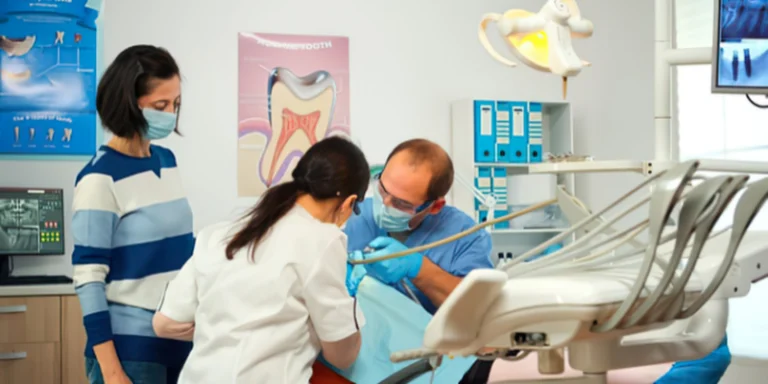
Your dental visit includes a detailed check of your mouth to find any problems early and a thorough cleaning to remove buildup that brushing can’t reach. You’ll also have screenings to catch any signs of oral cancer and may have x-rays taken to see what’s below the surface.

Comprehensive Oral Examinations
During the exam, your dentist will look closely at your teeth, gums, and tongue. They check for cavities, signs of gum disease, and other issues like tooth wear or cracks.
Your dentist also checks how your teeth fit together when you bite and looks for any changes since your last visit. The exam isn’t just about teeth; your dentist will check your mouth and throat for unusual spots or lumps that could show early signs of problems.
This careful review helps spot issues before they become painful or costly to fix.
Professional Cleanings and Tartar Removal
A dental hygienist will clean your teeth to remove plaque and tartar, which are the hard deposits that brushing and flossing can’t remove. Tartar buildup can cause gum irritation and lead to disease, so cleaning it away is important.
During the cleaning, they will also polish your teeth to remove surface stains and leave your smile feeling fresh. This professional cleaning helps lower your risk of cavities and keeps your gums healthy.
Oral Cancer Screenings and X-Rays
Your dentist will perform an oral cancer screening by looking for unusual signs in your mouth and throat. This screening is quick but important because early detection of oral cancer can save lives.
X-rays may be taken to find hidden issues like cavities between teeth, bone loss, or problems with wisdom teeth. These images give your dentist a full picture of your oral health that can’t be seen with the naked eye.
Healthy Habits That Support Regular Checkups
Keeping your family’s smile healthy means practicing good daily habits and making smart choices. Simple changes in how you care for your teeth, what you eat, and the example you set can make your checkups more effective and your teeth stronger.
Brushing and Flossing Tips for Families
Brushing twice a day with fluoride toothpaste is the foundation of good oral hygiene. Use a soft-bristled toothbrush and replace it every 3 months or sooner if the bristles look worn.
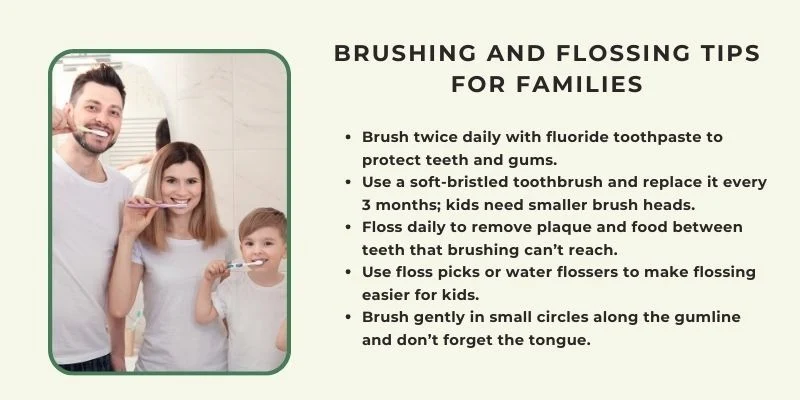
For kids, choose a smaller brush head to fit their mouths well. Flossing daily removes plaque and food stuck between teeth where the brush can’t reach.
Teaching kids to floss early helps build a lifelong habit. You can make flossing easier by using floss picks or water flossers.
Remember to brush gently in small circles along the gumline to clean both teeth and gums without causing damage. Don’t forget your tongue, as it holds bacteria that can cause bad breath.
These habits prepare you for your dental visits and help keep your smile bright.
Diet and Lifestyle Recommendations
Your diet plays a big role in your oral health. Sugary snacks and drinks feed harmful bacteria, causing cavities.
Swap them for crunchy fruits, vegetables, and nuts that naturally clean teeth and boost saliva flow. Drinking plenty of water helps wash away food particles and acids.
Fluoride in tap water or added treatments during checkups can strengthen tooth enamel, making it more resistant to decay. Limit acidic foods like soda and citrus that can wear down enamel.
Also, avoid tobacco products and try to reduce alcohol, as both increase risks of gum disease and other oral problems. By combining a balanced diet with good oral care, you help your family’s teeth stay strong and ready for each checkup.
Setting a Positive Example for Children
Children learn most by watching their parents. When you prioritize brushing, flossing, and going to the dentist, it sends a clear message about the importance of oral health.
Make oral hygiene fun and part of your daily routine by brushing together or setting a timer to reach the recommended two minutes. Praise your kids for their efforts and explain how these habits protect their smiles.
Scheduling regular dental visits for yourself shows children that checkups are normal and necessary. This can reduce fear and help them develop their own healthy habits.
Showing care and consistency in your family’s oral hygiene encourages kids to take responsibility for their teeth now and later in life.
Book a family checkup today and help your children build habits that last a lifetime.
Oral Health Connections to Overall Wellness
Taking care of your teeth goes beyond just having a bright smile. Your mouth can show signs of other health issues, and keeping it healthy helps protect your whole body from bigger problems.
Gum Disease and Systemic Health Problems
Gum disease starts when plaque builds up on your teeth and irritates your gums. If left untreated, it can lead to redness, swelling, or even bleeding.
The effects don’t stop in your mouth. Research shows gum disease can be linked to serious health issues like heart disease, diabetes, and stroke.
When your gums are inflamed, harmful bacteria can enter your bloodstream. This can cause inflammation in other parts of your body and make some health problems worse.
For example, if you have diabetes, gum disease can make it harder for you to control your blood sugar. Regular dental checkups help spot early signs of gum disease before it causes damage.
Your dentist can also guide you on how to keep your gums healthy to protect more than just your teeth.
Monitoring Jaw Alignment and Bite Issues
Your jaw alignment and bite affect how you chew, speak, and even how comfortable your mouth feels. If your teeth don’t fit together properly, it can cause problems like jaw pain, headaches, or uneven wear on your teeth.
Checking your jaw alignment is especially important for kids and teens since their bones are still growing. Early detection of bite issues, like overbite or underbite, means treatment can start sooner.
This can prevent bigger problems later, like difficulty chewing or speech challenges. During dental visits, your dentist can monitor how your bite develops and may recommend orthodontics if needed.
Taking care of jaw alignment keeps your mouth working well and can avoid discomfort down the road.
Preventing and Managing Oral Infections
Oral infections, like cavities or abscesses, can cause pain and lead to bigger health problems if ignored. Bacteria can collect in damaged areas of your teeth or gums, causing infections that could spread.
Keeping good habits like brushing, flossing, and regular dental cleanings helps stop infections before they start. If an infection develops, your dentist can treat it quickly with fillings, antibiotics, or other care to avoid more serious issues.
Untreated oral infections may even affect your immune system or cause inflammation elsewhere in your body. Looking after your dental health protects you from painful infections and helps your whole body stay healthy.
Don’t let small dental issues turn into serious infections. Schedule a preventive visit with our Evansville, IN dental team to protect your smile and overall health.
Frequently Asked Questions
What benefits do children receive from routine dental visits?
Children develop healthy habits when they visit the dentist regularly. They get early treatments like fluoride and sealants that protect their teeth from cavities.
Regular checkups also help kids feel comfortable at the dentist and reduce fear over time.
How often should our family see the dentist for optimal oral health?
Most people should visit the dentist every six months. This schedule helps prevent many dental issues and keeps your smile bright.
Some family members may need more frequent visits depending on their health or specific needs.
Can preventive dental care help avoid future dental issues?
Yes. Preventive care stops problems before they start by removing plaque, checking for early signs of decay, and advising on better habits.
It can save you from painful treatments and extra costs later.
What types of problems can be detected during a routine dental examination?
Dentists can spot cavities, gum disease, and infections early. They also check for issues like tooth wear, oral cancer signs, and problems with braces or dentures.
Early detection means easier and less expensive care.
How do regular dental cleanings contribute to overall health?
Cleanings remove tartar and plaque that brushing misses, which reduces the chance of gum disease.
Good oral health supports your body’s health by lowering risks for heart disease and diabetes.
What should you expect during a regular dental checkup visit?
You’ll get a full cleaning, an exam, and sometimes X-rays.
The dentist will check your teeth, gums, and mouth for any problems.
They will also share tips on brushing, flossing, and diet to keep your smile strong between visits.