Dental implants are a popular option for replacing missing teeth, but many people have questions or doubts about them. You might have heard things that make you unsure if implants are right for you.
It’s important to know what’s true and what isn’t so you can make the best choice for your smile. Understanding the facts will help you feel more confident about dental implants and how they can improve your dental health.
1) Dental implants are painful—Most patients report minimal discomfort during and after the procedure
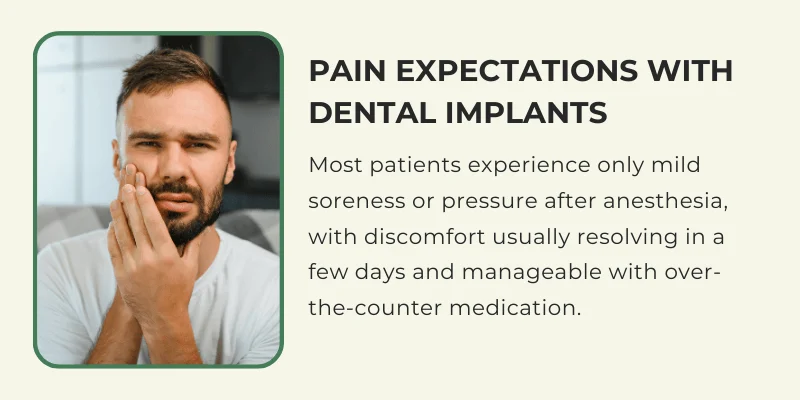
You might worry that getting a dental implant will hurt a lot. The good news is that most people feel only mild discomfort during the process. Local anesthesia is used, so you won’t feel pain while the implant is being placed.
After the procedure, you could experience some soreness or pressure, but it’s usually mild. This discomfort often feels similar to the pain of a tooth extraction. It tends to go away quickly, often within a few days.
You can manage any pain with simple over-the-counter medicine. Many patients say the recovery is easier than they expected. If you want to learn more, this page about common myths and facts on dental implants gives useful details on what to expect from the procedure.
2) Implants are too expensive—They are a long-term investment often costing less over time than other options
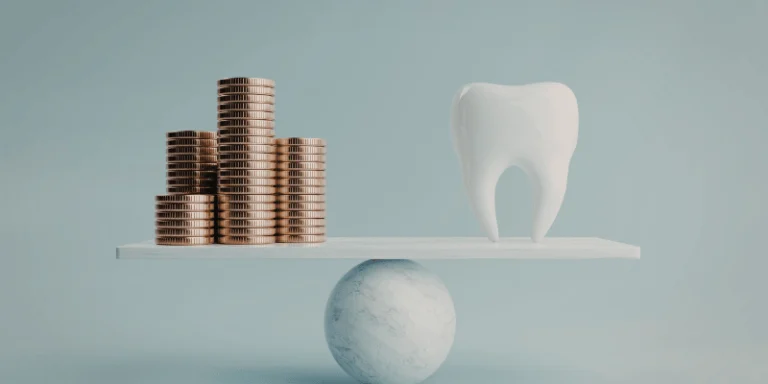
You might think dental implants are too expensive at first. The upfront cost is usually higher than dentures or bridges. But implants are made to last a long time.
Because they are durable, you won’t need to replace them often. Other options may cost less now but can require repairs or replacements later. Over time, implants can save you money.
Implants also help keep your jawbone strong. This benefit can protect your other teeth and avoid future dental problems. This means fewer costs down the road.
Thinking of dental implants as a long-term investment can help you see their true value. They can improve your quality of life and reduce future dental work.
3) Dental implants don’t last—With proper care, they can last decades or even a lifetime
You might hear that dental implants don’t last long, but that’s not true. With good care, implants can last for many years, even a lifetime. Unlike dentures or bridges, implants are made to be a long-term solution.
Taking care of your implants is simple. You just need to keep up with regular brushing, flossing, and dental check-ups. They don’t need any special cleaning beyond what you do for your natural teeth.
Implants also have a high success rate. Studies show they last 95-98% over the first 5 to 10 years. Many people do not need them replaced even after decades.
If an implant doesn’t last, it is usually because of poor oral hygiene or other health problems. You can avoid this by following your dentist’s advice and keeping your mouth healthy.
4) Implants require high maintenance—Care is similar to natural teeth with regular brushing and flossing

You might think dental implants need extra care, but that’s not true. Taking care of implants is just like caring for your real teeth.
All you need to do is brush your teeth twice a day and floss once a day. These simple habits help keep your implants clean and healthy.
You don’t need special tools or products. Just use a regular toothbrush and floss.
Visiting your dentist regularly is important, too. They will check your implants and clean areas you might miss at home.
With a little routine care, implants can last a long time and stay in good shape. They’re easier to look after than many people believe.
5) Anyone can get dental implants—Eligibility depends on bone density and overall oral health
You might think dental implants are only for certain people, but that’s not true. Most people can get implants if they have healthy gums and enough bone to support the implant.
Your age alone doesn’t stop you from getting implants. What matters more is the health of your mouth and jawbone. If your bone isn’t strong enough, there are treatments like bone grafting that can help.
Good overall health is important too. If you take care of your teeth and gums, your chances of a successful implant are much better. You should talk with your dentist to see if implants are right for you.
6) Implants look artificial—They are designed to match your natural teeth perfectly
You might worry that dental implants will look fake or stand out in your mouth. But implants are made to blend in with your natural teeth. Dentists take great care to match the color, shape, and size to fit your smile.
Each implant crown is custom-made. This means it is designed to fit your mouth just right. It won’t look like a shiny, artificial tooth.
When you smile, no one should notice the difference between your real teeth and implants. They are meant to feel and look natural, so you can feel confident showing your smile.
7) The procedure is risky—Dental implants have a high success rate and are very safe
You might worry that getting dental implants is dangerous. But actually, the procedure is very safe when done by a qualified dentist or oral surgeon. Most people do not experience major problems.
Dental implants have been used for decades, and doctors have learned how to make the process low risk. There are clear steps to follow before, during, and after the surgery to protect your health.
Like any surgery, there are small risks like infection or discomfort. But these are rare and easy to manage with the right care. Your dentist will guide you through how to prepare and how to heal well.
The success rate of dental implants is usually around 95%. This means most people get implants that last many years. If you take care of your dental health, your new teeth will stay strong and work well.
Frequently Asked Questions
Is it true that dental implants are noticeable to others?
No, dental implants are designed to look natural. They blend in with your other teeth, so most people won’t notice them.
Can anyone tell me if getting an implant is a very painful process?
Most people feel only mild discomfort during and after the procedure. Dentists use numbing medicine, and pain usually fades quickly.
I’ve heard dental implants can take a long time to heal; is that the case?
Healing does take some time, usually a few months, because the implant needs to bond with your bone. But this process is important for strong, lasting support.
Someone mentioned that implants often get rejected by the body, is that common?
Implant rejection is very rare. Your body usually accepts the implant well if you meet the health and bone requirements.
Is it true that you can’t get an implant if you’re a certain age?
There’s no strict age limit for implants. What matters more is your bone health and mouth condition, not your age.
I’m worried about the cost—are dental implants generally more expensive than other options?
Dental implants can cost more upfront. But they often last longer and need less maintenance, so they can save you money over time.