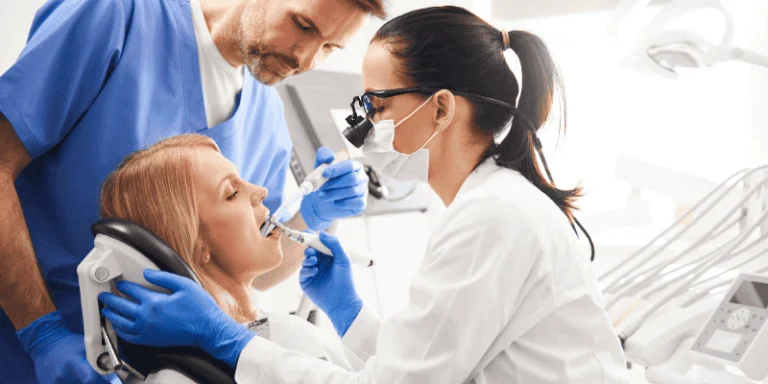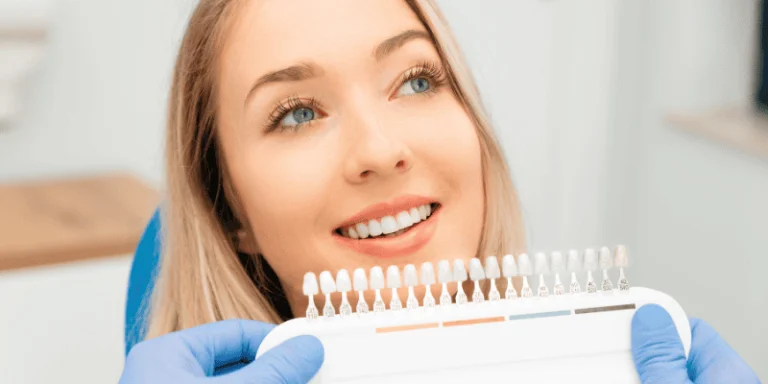
Cosmetic dentistry (elective dental procedures aimed at improving the appearance of teeth and smiles) has seen notable growth in demand across the United States in recent years.
This research guide examines how that demand has evolved nationally and in the Midwest over the past five years, and what the future may hold beyond 2026.
It compiles data from academic studies, dental industry reports, and market research to provide a comprehensive picture of cosmetic dentistry trends.
Key topics include national demand trends, regional insights with a focus on Midwestern states, a localized look at Evansville, Indiana, demographic and economic drivers of demand (such as age, income, and lifestyle), and market forecasts for the coming years.
The goal is to offer a structured, evidence-based overview suitable for academic or policy research purposes.
National Demand Trends in Cosmetic Dentistry
Steady Growth in Cosmetic Dental Services: Nationwide, the cosmetic dentistry sector has expanded steadily in the past five years. Industry analyses show that U.S. cosmetic dental revenues grew at an annual rate of about 3.6% from 2020 to 2025.
In dollar terms, the cosmetic dentistry services market reached an estimated $7.1 billion in 2025, up significantly from earlier in the decade.
This growth reflects increasing patient interest in elective procedures like teeth whitening, veneers, bonding, and implants. Notably, Americans spend roughly $2.75 billion out-of-pocket each year on purely elective dental work (since cosmetic treatments are typically not covered by insurance).
Overall dental spending has rebounded strongly post-pandemic – total U.S. dental expenditures were about 8% higher in 2025 than pre-2020 levels – indicating a robust recovery that includes the cosmetic segment.
Popular Cosmetic Treatments: Whitening remains the most common cosmetic dental treatment nationally, as many Americans desire a brighter smile. Surveys indicate that roughly 80% of adults aged 18–49 would like to whiten their teeth, making it a ubiquitous “entry-level” cosmetic procedure.
However, higher-cost procedures like porcelain veneers, dental crowns, and implants account for a large share of cosmetic dentistry revenue due to their higher per-case cost. In fact, crowns and bridgework (often done with cosmetic intent) constitute the single largest revenue segment for cosmetic-focused dental practices in the U.S.
Veneers and implants have also grown in popularity as patients seek more durable, transformative smile makeovers instead of temporary fixes.
This is evidenced by rising veneer market growth and the placement of about 5 million dental implants annually in the U.S., a number that has surged with improvements in implant technology.
Post-Pandemic “Zoom Boom” and Social Media Influence: A unique national trend driving cosmetic dentistry has been the influence of social media and virtual communication on personal appearance awareness.
The increase in video conferencing during the COVID-19 era (the so-called “Zoom boom”) led many individuals to scrutinize their own smiles on screen. Dental market researchers documented a 43% surge in elective dental inquiries attributed to this “Zoom dysmorphia” effect.
Social media has had an even broader impact: in one survey, 90.7% of dental practitioners cited social media as the primary driver of increased cosmetic dentistry demand in their practice.
Platforms like Instagram and TikTok bombard younger adults with images of perfect smiles, fueling interest in whitening, straightening, and veneers to achieve an ideal look.
At the same time, celebrity culture and media coverage of “smile makeovers” have normalized cosmetic dentistry – nearly three in four Americans believe an unattractive smile can hurt career success, reflecting the cultural premium placed on dental aesthetics.
These factors together have significantly boosted national demand for cosmetic dental services in recent years.
Rising Patient Expenditures: Another indicator of growing demand is the increase in how much patients are willing to spend on cosmetic dentistry.
The American Academy of Cosmetic Dentistry (AACD) conducts periodic surveys of cosmetic dental practices. Its latest (2022) survey found that average cosmetic case spending has risen compared to pre-pandemic levels. For instance, the proportion of AACD member dentists who reported an average patient spending over $10,000 on cosmetic treatments grew from 22% in 2019 to 30% in 2022.
This suggests that more patients are investing in comprehensive smile makeovers involving multiple procedures. Industry observers note that cosmetic-focused dental practices tend to generate higher revenues (often $1.5–2.5 million annually) than general dentistry offices, which average under $1 million.
Profit margins are also higher (40–60% in cosmetics vs. 30–40% general), incentivizing many general dentists to offer cosmetic services to meet patient demand and boost income.
In summary, national trends point to robust and sustained growth in cosmetic dentistry utilization over the past five years, driven by greater aesthetic awareness and acceptance of these services.
Regional Insights: Cosmetic Dentistry in the Midwest
Cosmetic dentistry demand varies across different U.S. regions, influenced by cultural attitudes, demographics, and economic factors. Broadly, coastal and high-income regions have led the cosmetic dentistry boom, while the Midwest has historically trailed slightly in adoption of purely aesthetic dental procedures.
The table below summarizes regional variations in cosmetic dentistry interest and emphasizes where the Midwest stands:
Table: Cosmetic Dentistry Demand Variations by U.S. Region
| Region | Characteristics of Cosmetic Dentistry Demand |
| West Coast | Highest demand and provider concentration. Trend-focused populations (e.g. California) and high incomes drive a thriving cosmetic dentistry market. The West has the greatest search interest in cosmetic dental treatments, influenced by Hollywood’s emphasis on perfect smiles. |
| Northeast | Strong demand for cosmetic procedures, especially in urban centers. Patients prioritize treatments like porcelain veneers and teeth whitening, reflecting a professional, polished aesthetic in cities like New York and Boston. High population density and income levels support many cosmetic dentists. |
| South (Southeast) | Moderate interest in cosmetic dentistry. Procedures like clear aligners (Invisalign) and teeth whitening are popular in states such as Florida and Georgia. The preference leans toward less invasive enhancements, perhaps aligned with a more relaxed regional culture. Demand is growing but not as pronounced as in the West/Northeast. |
| Midwest | Lowest overall emphasis on cosmetic dentistry among regions. The Midwest shows the lowest search volumes for cosmetic dental procedures overall, suggesting a smaller segment of the population actively seeks these services. Cultural norms in many Midwestern communities prioritize basic oral health over purely cosmetic enhancements. However, there are notable urban exceptions – for example, the Chicago area shows high interest in certain treatments (like dental bonding). Other Midwestern metro areas with affluent populations (e.g. Minneapolis/St. Paul suburbs, suburban Chicago, etc.) also report growing cosmetic dentistry cases, indicating pockets of strong demand within the region. |
| Southwest | Diverse trends in demand. States like Texas and Arizona have mixed cosmetic interests – Texas leaning towards high use of Invisalign and orthodontics, while Arizona sees more demand for whitening procedures. This reflects the varied demographics of the Southwest. |
As the table illustrates, the Midwest’s cosmetic dentistry market has been comparatively subdued relative to other regions. Several factors contribute to this. Midwestern states generally have lower average incomes than the national average, which can limit spending on discretionary services like cosmetic dentistry.
There may also be a cultural tendency in the Midwest to pursue dental treatments for functional or health reasons more so than for aesthetics alone, compared to the image-conscious ethos prevalent in areas like California or New York.
Despite these historical patterns, the past five years have seen growth in Midwest cosmetic dentistry demand as well. Dentists in the region report that patients are increasingly inquiring about cosmetic options (whiter teeth, minor orthodontic corrections, smile makeovers) in numbers greater than before.
In Minnesota, for example, cosmetic dentistry mirrors national trends: dentists note “robust cosmetic case acceptance” in wealthier suburbs, with strong interest in veneers, whitening, and aligners among higher-income patients.
There may not be extensive published data specific to each Midwestern state, but anecdotal evidence suggests an upward trajectory in cosmetic procedures even in this traditionally more conservative region.
Notably, Midwestern baby boomers are seeking cosmetic restorative work (like implants or cosmetic dentures) as they age, and younger adults influenced by social media are more open to enhancing their smiles. These forces are slowly closing the gap between the Midwest and other regions.
Urban vs. Rural Divide: Within the Midwest, demand for cosmetic dentistry is much higher in metropolitan areas than in rural communities. Major cities such as Chicago, Detroit, Minneapolis–St. Paul, Cleveland, and Indianapolis host the majority of cosmetic dentistry providers in the region.
For instance, the Indianapolis metro area (population ~2 million) supports over 1,500 dental practices in total, and many of these offer cosmetic services to stay competitive. Affluent suburban pockets – e.g., Carmel, IN or suburban Chicago’s North Shore – are known to have patients willing to invest in veneers or orthodontic aligners.
By contrast, smaller towns and rural counties in the Midwest may have few or no dedicated cosmetic dentists, with general dentists only occasionally performing cosmetic treatments. This urban concentration aligns with the finding that even in lower-interest regions, dense, high-income urban centers drive cosmetic dentistry demand.
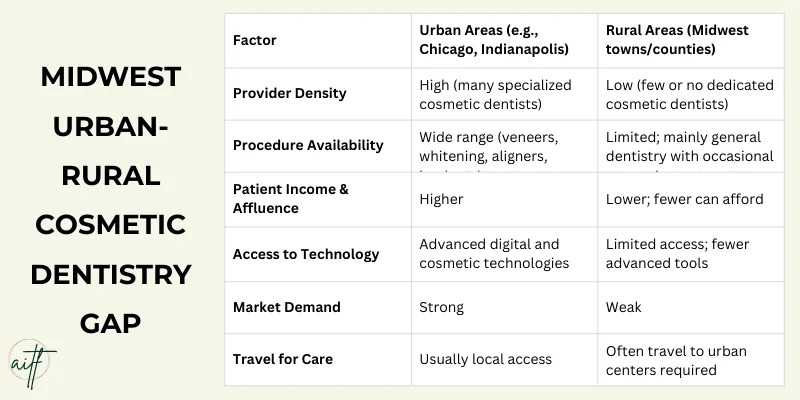
In summary, the Midwest is experiencing growth in cosmetic dentistry demand albeit from a lower baseline. Regional characteristics temper that growth (lower disposable incomes, different cultural priorities), but interest in having an attractive smile is clearly rising among Midwesterners.
The region is likely to continue catching up as younger generations in the Midwest place more value on aesthetic dental services and as providers increase the availability of modern cosmetic treatments.
Local Spotlight: Evansville, Indiana
Evansville, Indiana, provides a localized case study of cosmetic dentistry trends within the Midwest. As a mid-sized city (population ~118,000 in 2020) on the southern edge of Indiana, Evansville’s demographics and economy can shed light on the demand for cosmetic dental services in a smaller Midwestern community.
Demographic and Economic Context: The Evansville metro area (encompassing Vanderburgh County) has a median age around 39 years and a median household income of approximately $60,000 as of 2023.
These figures indicate a slightly older and less affluent population than the U.S. averages (the national median income is roughly $70,000). In fact, Census data (2020–2024) put the city of Evansville’s median household income at just $53,387, well below the U.S. median.
This is significant because age and income are key factors in cosmetic dentistry utilization. Evansville’s older median age suggests a sizeable market for restorative cosmetic treatments (for example, implants or cosmetic dentures for seniors), while the lower income levels imply that cost-sensitive procedures (like basic whitening or bonding) might be more in demand than high-end full-mouth reconstructions.
Availability of Cosmetic Dentistry Services: Being a regional hub, Evansville does have dental practices that offer cosmetic services, though the selection is more limited than in larger cities.
A search of local providers shows a handful of practices marketing treatments such as porcelain veneers, teeth whitening, Invisalign (clear aligners), and dental implants in the Evansville area.
These services are often provided by general dentists with an interest in cosmetics, rather than by exclusive cosmetic dentistry boutiques that one might find in wealthier metropolitan markets.
Patients in Evansville seeking very specialized or extensive cosmetic work might even travel to bigger cities (like Indianapolis, Louisville, or Nashville) where a greater number of cosmetic specialists practice. Nonetheless, local demand exists and is growing.
Evansville dentists frequently advertise “smile makeover” consultations, indicating that a portion of the population is actively seeking to improve their smile aesthetics.
Trends and Patient Interest: While hard data specific to Evansville are scarce, local dentists’ marketing and national trends allow for some inference. Common cosmetic requests in Evansville likely mirror broader trends – teeth whitening is probably the most sought-after cosmetic treatment given its relative affordability and quick results.
Orthodontic aligners (e.g. Invisalign) are also popular, as adults in the area look for discreet ways to straighten teeth (one Evansville practice explicitly promotes clear aligner therapy on its website).
Veneers and bonding see interest among patients looking for more dramatic improvements, though the cost (several hundred to a few thousand dollars per tooth) means these are less frequent in a moderate-income market.
Dental implants have strong appeal to older adults in Evansville, as in the rest of the country, for replacing missing teeth – this is both a functional and cosmetic solution, and the data show implant usage has been rising consistently nationwide.
It’s also worth noting that Evansville’s local culture and economy (historically industrial and healthcare-driven) do not emphasize appearance to the same degree as, say, Hollywood or Manhattan.
However, the city’s residents likely experience the same social media influences and desire for self-confidence as elsewhere.
As one indicator, the percentage of women in Evansville’s population (~51%) and the national pattern of women driving cosmetic dental demand (discussed below) suggest that a significant number of Evansville residents – especially professional women and young adults – may be seeking cosmetic dentistry to enhance their appearance and confidence.
In conclusion, Evansville exemplifies a Midwestern locale with gradually increasing cosmetic dentistry engagement.
The city’s demand is growing in line with national trends but is moderated by local demographics. For policymakers or dental providers, Evansville highlights the importance of considering income and age factors when assessing the potential for cosmetic dental services in smaller markets.
Efforts such as patient financing plans or education about affordable cosmetic options could be key to unlocking latent demand in communities like Evansville.
Demographic and Economic Drivers of Cosmetic Dentistry Demand
Several demographic and economic factors underlie the rising demand for cosmetic dentistry. Understanding who is seeking cosmetic dental care – and why – is crucial for interpreting market trends:

- Age Groups: Cosmetic dentistry is in demand across a broad age spectrum, with two key groups leading growth. Young adults in their 20s and 30s are increasingly influenced by social media “smile ideals” and want quick, often minimally invasive enhancements (like whitening or minor orthodontics). Simultaneously, older adults (Baby Boomers and Generation X) are a driving force, as many seek to restore and refresh their smiles with implants, crowns, or cosmetic dentures. An aging population means more people need restorative work for worn or missing teeth, and they often choose options that also improve appearance. This convergence has expanded the cosmetic dentistry customer base to both younger and older patients. For example, the prevalence of dental implants (often considered a restorative-cosmetic hybrid) has risen sharply among seniors – from only 0.7% of U.S. adults having implants in 1999 to about 5.7% by 2016 – reflecting how older Americans are embracing procedures that give both functional and aesthetic benefits.
- Gender: The overwhelming majority of cosmetic dentistry patients are female. The AACD estimates (from a 2020 survey) that roughly 96% of cosmetic dentistry patients are women, and over 70% of those women are between the ages of 31 and 50. This suggests that middle-aged women are the single largest demographic segment pursuing cosmetic dental treatments. Possible explanations include women’s greater overall utilization of healthcare services, higher likelihood to invest in personal appearance, and targeted marketing of cosmetic procedures (like veneers or teeth whitening) toward female consumers. Men also get cosmetic dentistry, of course, but in far fewer numbers – only about 4% of patients according to the AACD data. However, there are signs that men’s interest is slowly growing, especially for procedures like clear aligners and bonding that can improve appearance subtly. Gender dynamics are important for practitioners to consider in tailoring their services and for forecasting which patient groups will drive demand.
- Income and Socioeconomic Status: Cosmetic dentistry is largely an out-of-pocket expense, so demand correlates strongly with disposable income. Higher-income individuals are far more likely to afford elective treatments not covered by insurance. Market research confirms that rising disposable incomes have been a key driver of cosmetic dentistry market growth in recent years. Households with more financial flexibility can spend on veneers, implants, or orthodontic aligners that can cost thousands of dollars. Conversely, in lower-income populations, cosmetic dental care may be viewed as a luxury. This economic divide contributes to regional differences (wealthy areas see more demand) and is also evident within communities (e.g., in Evansville, more affluent neighborhoods will have greater uptake of cosmetic services). That said, financing options and competitive pricing are making some cosmetic procedures more accessible to the middle class. Many dental offices now offer payment plans or credit options (such as CareCredit) to spread out the cost of cosmetic treatments. As these financing tools become common, they can widen the patient pool by enabling those with moderate incomes to pursue smile improvements. Overall, though, the economic profile of an area is one of the strongest predictors of cosmetic dentistry demand – areas with higher incomes and robust private dental spending tend to have higher demand.
- Social Media and Lifestyle Trends: The cultural shift toward valuing a photo-ready, “Instagram-worthy” smile cannot be overstated as a demand driver. We live in an era of constant selfies, video calls, and online profiles, which has heightened people’s awareness of dental aesthetics. Surveys of dentists underscore this: nearly 91% report social media as a primary factor driving patients to request cosmetic procedures. Terms like “Snapchat dysmorphia” have been coined to describe individuals seeking dental or facial treatments to look like filtered images of themselves. Additionally, the celebrity effect plays a role – when famous actors or influencers showcase their smile makeovers, it sparks interest among the public. The Midwest family dentist report noted that as celebrities publicly celebrate their veneers or tooth whitening, it inspires wider adoption of these treatments among average Americans. Lifestyle considerations also matter: in communities where personal appearance is linked to professional success or social opportunities, people are more inclined to invest in cosmetic dentistry. For instance, urban professionals or those in public-facing careers may feel more pressure to fix a crooked or stained smile to enhance their image. In summary, pervasive media images and lifestyle aspirations have created what some call a “cosmetic dentistry boom,” as looking good has become closely tied to self-esteem and even career prospects in modern society.
- Dental Technology and Availability: Advancements in dental technology have lowered barriers to cosmetic treatments, indirectly boosting demand. Innovations such as digital smile design, 3D printing, and CAD/CAM milling allow dentists to provide faster, more precise cosmetic restorations (like same-day crowns or custom veneers). These technologies improve treatment outcomes and patient experience, making people more willing to undergo elective procedures. Moreover, the proliferation of cosmetic dental services – more general dentists learning cosmetic techniques and more corporate dental chains offering cosmetic options – has increased availability. Patients today are likely to find at least basic cosmetic services (whitening, bonding, minor orthodontics) at their regular dental office, which was not always the case decades ago. This increased accessibility and convenience can stimulate demand: if a patient knows they can get a quick whitening or a set of veneers from a trusted local dentist, they may be more inclined to do so. Additionally, some insurance plans have slowly started expanding coverage for “functional cosmetic” procedures (for example, adult orthodontics or single-tooth implants that improve function and appearance), which can also encourage more patients to consider treatment. In essence, better technology and greater provider adoption of cosmetic dentistry have made it easier for consumers to say “yes” to these services, reinforcing the trend of growing demand.
In combination, these demographic and economic factors paint a picture of who is fueling the cosmetic dentistry trend: predominantly working-age women, often with above-average incomes, influenced by social norms around appearance, and empowered by new treatment options.
However, the landscape is broadening as technology lowers costs and awareness increases – younger people, men, and middle-class families are gradually becoming part of the cosmetic dentistry customer base. Any projections of future demand must account for these drivers continuing to evolve.
Market Forecasts and Projections Beyond 2026

Looking ahead, industry forecasts universally predict that the demand for cosmetic dentistry will continue rising beyond 2026, both nationally and in the Midwest. While exact numbers differ by source (depending on how the “cosmetic dentistry market” is defined), all signs point to robust growth through the late 2020s and early 2030s.
Continued Market Growth: According to one analysis, the U.S. cosmetic dentistry market (including cosmetic dental products and services) was about $11.5 billion in 2022 and is projected to reach $33.8 billion by 2030, growing at an exceptionally high compound annual growth rate (CAGR) of 14.4% from 2023 to 2030.
This forecast suggests that the cosmetic sector of dentistry will expand much faster than general dental services, reflecting surging consumer interest. Another market research report, with a more conservative scope, projects the U.S. cosmetic dentistry services segment will still roughly double over the next decade.
For instance, the Precedence Research estimates show the U.S. cosmetic dentistry market size increasing from around $4–5 billion in mid-2020s to nearly $9 billion by 2034, which equates to a healthy ~7–8% annual growth. Even more strikingly, global market projections (which include developing markets in Asia and beyond) foresee the global cosmetic dentistry market nearly tripling from about $32–33 billion in 2025 to ~$98 billion by 2034.
In simpler terms, experts agree that demand for aesthetic dental treatments will grow strongly for the foreseeable future, as societal trends and dental innovations continue to fuel interest.
Midwestern Outlook: Specific forecasts for the Midwest region are not commonly published, but it is reasonable to expect that the Midwest will follow the national growth trajectory, albeit at a slightly moderated pace. As of 2025, the Midwest’s share of cosmetic dentistry business is smaller relative to its population share, but this could change if the region’s demand accelerates.
Dentists in Midwestern states are anticipating higher cosmetic caseloads – for example, with younger patients seeking pre-wedding smile makeovers or older patients investing in implants as they become more affordable.
We can infer growth in the Midwest from related trends: the Midwest is experiencing economic growth in many metro areas (e.g. tech and healthcare booms in cities like Indianapolis, Columbus, and Minneapolis), which could raise disposable incomes and interest in personal care services.
Additionally, as mentioned, social media has a national reach – a teenager in Ohio is seeing the same TikTok videos about teeth whitening as a teenager in California. This cultural leveling effect means the gap in cosmetic dentistry uptake between regions may narrow in the coming years.
Therefore, while we might expect the coasts to remain the largest markets, the Midwest in absolute terms will likely see significant increases in cosmetic dental spending and procedure volumes through and beyond 2026.
Industry and Practice Trends: The period beyond 2026 will also be shaped by changes in how dental services are delivered, which can impact cosmetic dentistry availability.
One notable trend is the rise of dental service organizations (DSOs) and corporate dentistry. Already, about 35% of U.S. dental practices are part of DSOs or chains, and that penetration is forecast to reach 60–70% by the early 2030s.
Larger dental organizations often have more resources to market cosmetic services and invest in new cosmetic technologies (like in-house 3D printing or laser dentistry equipment).
This consolidation could lead to cosmetic dentistry being offered in a more standardized and widely promoted way, even in smaller cities. On the other hand, consolidation might also intensify competition – independent dentists may need to differentiate by offering boutique cosmetic services or personalized care to maintain an edge.
Either way, the competitive landscape in the late 2020s is expected to emphasize cosmetic dentistry as a growth area, since it’s a high-margin service line.
Technological and Material Advances: By 2027 and beyond, we anticipate further improvements in cosmetic dental materials (for instance, even more lifelike and durable porcelains or composite resins) and digital tools (AI-driven smile simulations, etc.).
These advances tend to lower costs or improve outcomes, which historically correlates with higher patient acceptance.
For example, if new materials extend the lifespan of veneers or make teeth whitening safer for enamel, more patients might opt in, knowing they are getting better value and results.
The FDA’s regulatory stance can also play a role – recent rule changes have reclassified certain whitening products as higher-risk devices requiring more oversight, but so far this has not dampened demand; instead it has prompted the use of professional-grade products.
Environmental and safety regulations (like the 2025 Minnesota ban on PFAS in dental products) could eliminate some older cosmetic products, but likely they will be replaced with safer alternatives.
Overall, technology and regulation are expected to further integrate cosmetic considerations into routine dental care, making the distinction between “necessary” and “elective” dentistry blur in some cases (e.g., tooth-colored fillings that improve appearance are now standard).
Forecast Bottom Line: Multiple reputable sources converge on the expectation of strong growth in cosmetic dentistry through 2030 and beyond. To cite one concrete forecast: Grand View Research projects the U.S. cosmetic dentistry market to grow at double-digit rates annually, reaching about $34 billion by 2030.
Meanwhile, Cervicorn Consulting (2025 report) projects the global market to reach $59.2 billion by 2034 (8.2% CAGR) and the U.S. market to about $17.3 billion by 2034 (roughly 8.0% CAGR). Differences in figures aside, the trajectory is clear: upward.
For the Midwest, one can anticipate incremental year-over-year growth in demand, potentially accelerating as awareness and income factors improve.
By the late 2020s, cosmetic dentistry may well be a mainstream part of dental practice even in Midwestern communities that once lagged, as younger generations age into the prime cosmetic-consumer demographic and overall public expectations for an attractive smile continue to rise.
Conclusion
In summary, the demand for cosmetic dentistry has grown substantially over the past five years across the United States and is projected to continue growing beyond 2026.
Nationally, factors like higher consumer spending on elective care, social media influence, and technological advancements have led to sustained growth in cosmetic dental services (with industry revenue rising and expected to keep climbing).
Regionally, the Midwest illustrates both the challenges and potential of this market – historically lower demand, yet with clear signs of growth and untapped opportunity as cultural attitudes evolve.
Locally, areas like Evansville, IN show how demographics and economics can influence the level of cosmetic dentistry uptake, but even there interest is on the rise. Demographic drivers (age, gender) and economic drivers (income, lifestyle trends) play a pivotal role in shaping who seeks treatment and what they seek.
Looking ahead, the convergence of rising aesthetic expectations, improved dental technology, and broader availability of services points toward a vibrant future for cosmetic dentistry.
By all indications, both the nation and the Midwest region will see increasing numbers of people investing in their smiles, making cosmetic dentistry an important facet of oral healthcare policy and practice in the years to come.
Sources:
- American Academy of Cosmetic Dentistry (AACD) Industry Surveys and Inside Dentistry reports
- American Dental Association (ADA) Health Policy Institute data on dental spending and utilization
- IBISWorld Industry Report on Cosmetic Dentists in the U.S., 2025 (market size and trends)
- Market research by Grand View Research and Fortune Business Insights on U.S. and global cosmetic dentistry market size
- Des Moines Cosmetic Dentistry Center analysis of cosmetic dentistry statistics (consumer spending, social media impact, implant trends)
- Imagine Your Smile (Woodbury, MN) 2026 trends overview (technology adoption, insurance factors)
- Data USA and U.S. Census Bureau – Evansville, IN demographics (age, income)