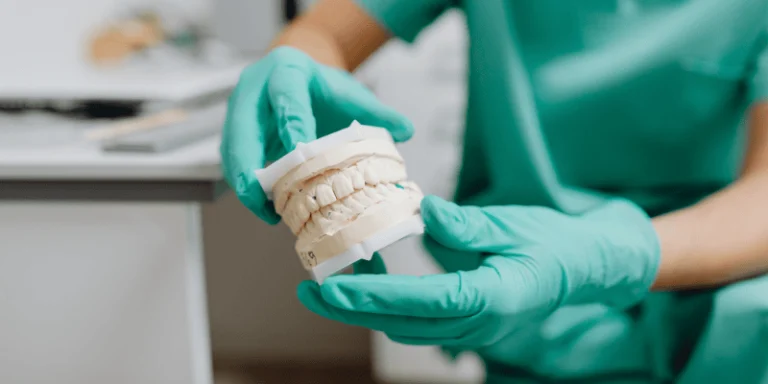
If you’re considering replacing a full set of teeth, understanding the cost of All-on-4 dental implants is important. These implants offer a solution where just four implants support a full arch of permanent teeth.
The average cost for one arch typically ranges from $15,000 to $40,000, depending on factors like location, materials, and additional procedures.
This method is often more affordable and quicker than traditional implants, which require one implant per tooth. Knowing what influences the price can help you plan your budget and find ways to make the treatment more affordable.
You’ll also find options for financing and tips to reduce costs without sacrificing quality. Learning more about these implants allows you to make an informed decision about restoring your smile.
Key Takeaways
- All-on-4 implants cost between $15,000 and $40,000 per arch.
- Price varies based on location, expertise, and materials used.
- Financing and cost-saving options can help manage the expense.
All-on-4 Dental Implants Overview
All-on-4 dental implants provide a way to replace a full set of teeth using only four implants per arch. This method can save time, avoid some surgeries, and give you strong, fixed teeth that look natural.
You’ll learn how All-on-4 is different from traditional implants, what benefits you can expect, and who is a good candidate for the procedure.
How All-on-4 Differs from Traditional Dental Implants
Traditional dental implants usually need one implant for each missing tooth. If you need a full arch replaced, that can mean 8 to 12 implants.
All-on-4 uses only four implants to support an entire arch of teeth, cutting down on surgery time. Two implants are placed straight in the front, and two are angled in the back.
This angle helps use more jawbone, often avoiding the need for bone grafting. Because fewer implants are used, healing time is usually faster.
You can often get temporary teeth on the same day as the implant surgery. This is different from traditional implants, which may require months before permanent teeth are placed.
Key Benefits of All-on-4 Dental Implants
One big benefit is that All-on-4 gives you a full, fixed set of teeth without needing an implant for every tooth. This makes the treatment quicker and usually less expensive than replacing each tooth with its own implant.
The implants offer strong support, so you can chew better and speak clearly. Unlike dentures, these teeth don’t slip or need adhesives.
All-on-4 implants help keep your jawbone healthy by preventing bone loss. The procedure often has a faster recovery than traditional full-mouth implants.
Because the teeth are fixed, maintenance is simple, just like caring for natural teeth with regular brushing and dental visits.
Ideal Candidates for All-on-4 Procedures
If you are missing many or all of your teeth in one or both jaws, All-on-4 could be a good option for you. It works well if you have enough bone in the front of your jaw, even if the back bone is thinner.
People who want a stable, non-removable solution instead of dentures benefit from this treatment. It’s also suitable if you want to avoid bone grafts, as All-on-4 often uses angled implants for better support.
Good overall health is important to heal well after the procedure. Your dentist will check your oral health and bone condition before recommending All-on-4 dental implants.
If you smoke or have certain health problems, you might need to discuss these issues with your dentist first.
Contact us to learn more about All-on-4 dental implants.
Average All-on-4 Dental Implant Cost in 2025
When thinking about the cost of All-on-4 dental implants, you should know what typical price ranges look like, what’s usually covered, and which extra fees might surprise you.
These details will help you plan your budget and avoid surprises during your treatment.
Typical Price Range Per Arch
The cost for All-on-4 dental implants in 2025 generally ranges between $18,000 and $38,000 per arch. Most patients pay around $24,000 to $32,000, depending on where you live and the clinic you choose.
Prices can change based on factors such as your dentist’s experience, the materials used for your teeth, and any special procedures you might need. In some places, prices may be a bit lower around $15,000, while others with higher fees may reach closer to $35,000.
What’s Included in the Quoted Cost
Most quotes for All-on-4 implants cover several key parts of the process. This usually includes:
- The implant surgery where the four implants are placed
- Abutments, which connect the implants to the prosthetic teeth
- The fixed set of replacement teeth or bridge
Sometimes, these costs also cover initial exams and X-rays, but this varies by clinic. The quoted prices generally do not include extra treatments like bone grafts or tooth extractions if you need them.
Hidden and Additional Fees to Consider
Besides the standard costs, there may be extra fees you should plan for. These can include:
- Bone grafting or sinus lifts if your jawbone needs strengthening
- Tooth extractions if you have damaged teeth needing removal
- Temporary dentures or healing caps while your implants settle
- CT scans or special imaging for precise implant placement
- Follow-up visits and adjustments after surgery
Insurance often does not cover all these extra costs, so it’s smart to ask your dentist about any possible fees before you start. Using financing options might help manage these unexpected expenses.
Major Factors That Affect All-on-4 Dental Implant Pricing
The total cost of All on 4 dental implants can vary based on several specific factors. These include the material used for your replacement teeth, the skill and location of your dental surgeon, any extra procedures like bone grafting or sinus lifts you might need, and the type of preparation and sedation chosen before surgery.
Choice of Prosthesis Material
The material used for your new teeth plays a big role in the price. Common options include acrylic, composite, and zirconia.
Acrylic is the most affordable but less durable and may wear faster over time. Composite offers a balance between cost and strength.
If you want something strong and natural-looking, zirconia is the best choice. Zirconia is a ceramic that mimics real teeth with high durability but costs more.
The type of material chosen affects not only the initial price but also how long your implants last without needing repairs or replacements.
Dental Surgeon Expertise and Location
The experience of your dental surgeon affects the quality and price of your All on 4 implants. Highly trained specialists with many successful implant cases usually charge more.
Their skill can reduce risks during surgery and improve final results. Where you get treatment also matters.
Clinics in big cities or well-known dental centers often have higher costs because of operating expenses. They may use advanced tools like 3D scans and digital planning.
Smaller clinics or locations outside major cities tend to be less expensive but may offer fewer services.
Need for Bone Grafting or Sinus Lifts
Some patients need extra procedures like bone grafting or sinus lifts. If your jawbone is weak or too thin, bone grafting adds material to create a strong base for implants.
This procedure increases costs and recovery time. Sinus lifts are needed if you’re getting implants in the upper jaw and there isn’t enough bone below the sinus.
This surgery lifts the sinus membrane and places bone material to support the implants. Both bone grafting and sinus lifts require expert care but are important for implant success, and they add to your overall All on 4 cost.
Pre-Surgery Preparation and Sedation Options
Before the implants are placed, you might need teeth removed or gum disease treated. These preparatory steps can raise your treatment cost.
For example, extracting damaged teeth or treating infections ensures a safer surgery. Sedation choice also impacts cost.
Simple local anesthesia is the least expensive, while options like IV sedation or general anesthesia cost more. Sedation helps make the procedure comfortable, especially if you feel anxious or require longer surgery time.
Discuss these options with your dentist to decide what fits your needs and budget.
Comparing All-on-4 to Alternative Full-Arch Solutions
When choosing full-mouth restoration, understanding how All-on-4 implants compare with other options can help you find the right balance of cost, stability, and maintenance.
Different methods offer various benefits based on your bone health, lifestyle, and budget.
All-on-4 vs All-on-6 Implants
Both All-on-4 and All-on-6 use dental implants to support a full arch of teeth. The key difference is the number of implants: four versus six.
All-on-6 implants provide extra support by spreading out the chewing load. This can be better if you have good bone density and want stronger stability.
However, it also means a higher upfront cost because more implants need to be placed and maintained. All-on-4 implants often avoid bone grafting by angling the rear implants and can be a good fit if you want a less invasive procedure.
The extra cost of All-on-6 might be worth it if you use your teeth a lot for heavy chewing.
All-on-4 vs Conventional Implants
Conventional dental implants usually require placing one implant for each missing tooth. For full-mouth restoration, this means many implants and often higher cost and longer treatment time.
All-on-4 offers a fixed arch with just four implants, making it less complex and typically faster to complete. You avoid needing bone grafts in many cases, which lowers costs and recovery time.
However, conventional implants can feel more like natural teeth since each tooth is supported individually. If you want maximum customization or have specific dental needs, conventional implants might be best for you.
All-on-4 vs Dentures
Traditional dentures are removable and widely used but don’t offer the same stability as implants. They may need adhesives and can cause sore spots or slipping.
All-on-4 dental implants are a permanent solution, anchored firmly in your jawbone. This means your bite and chewing feel more natural, and you don’t have to deal with denture slips.
Dentures usually cost less upfront, but they require ongoing replacements and maintenance. With All-on-4 implants, you pay more ahead, but you get a longer-lasting and more comfortable option that feels like real teeth.
Schedule your All-on-4 consultation today in Evansville, IN, and restore your smile with confidence.
Financing, Insurance, and Ways to Lower All-on-4 Implant Costs
Paying for all-on-4 dental implants can be a big investment. There are options like dental insurance, financing plans, and ways to save money that can make it easier for you to afford this treatment without stretching your budget too much.
Dental Insurance and What’s Covered
Most dental insurance plans do not fully cover all-on-4 dental implants since they are often seen as cosmetic or elective. However, some plans might cover parts like tooth extractions, X-rays, or bone grafts if these are medically necessary.
It’s important to check your insurance policy carefully. Call your provider and ask if they cover implant surgery or prosthetic devices.
Sometimes, insurance pays for a percentage, and you’ll be responsible for the rest. If your insurance does not cover all-on-4 implants, ask about pre-authorization.
This process can help you understand your out-of-pocket costs upfront, avoiding surprise bills later.
Financing Plans and Payment Options
Many dentists offer financing plans to help you spread out the cost of your all-on-4 implants. These can include monthly payment plans with no interest or low-interest loans.
Look for options like Denefits, which provide flexible payment schedules with no credit check. You might be able to choose how long you want to pay, anywhere from 3 to 48 months.
If you use medical credit cards like CareCredit, make sure you understand the interest rates and payment deadlines. Missing payments can lead to high fees and hurt your credit.
Using your FSA (Flexible Spending Account) or HSA (Health Savings Account) funds is another smart way to pay. These accounts use pre-tax dollars, which can save you money.
Cost-Saving Tips and Dental Tourism
There are ways to cut down your all-on-4 implant cost. One popular option is dental tourism, where you travel to countries with lower dental fees like Mexico, Costa Rica, or Thailand.
You can save 30-70% compared to prices in the U.S. Just make sure to research the clinic’s reputation and check reviews.
Ask about the dentist’s qualifications and what materials they use. Another tip: some dental offices offer discounts if you pay in full upfront.
Also, ask if you can get a free consultation or X-rays before deciding. Using discount dental plans could lower the price.
These annual fee plans let you get care at a reduced rate from network dentists. It’s different from insurance and can be a good alternative if you don’t have coverage.
Ready to explore All-on-4 options? Schedule a consultation today in Evansville, IN, and take the first step toward a confident, lasting smile.
Frequently Asked Questions
You’ll find that prices for All-on-4 dental implants can vary a lot based on where you go, your insurance, and the materials your dentist uses. Knowing these details helps you plan your budget and find the right fit for your needs.
How much do All-on-4 dental implants typically cost?
The cost usually ranges from $12,000 to $16,000 per arch. If you need both upper and lower arches done, expect to pay between $24,000 and $32,000.
These prices often include the implants, surgery, and fixed teeth.
What is the average cost of All-on-4 dental implants with insurance?
Most dental insurance plans don’t cover the full cost since All-on-4 implants are often seen as cosmetic. Some plans may pay for parts like extractions or X-rays.
You should check with your provider to see what percentage they might cover.
Are there any more affordable places to get All-on-4 dental implants?
Some clinics offer competitive pricing, especially outside big cities. You might find lower costs abroad or in smaller towns.
Some places also provide flexible payment plans to help spread out the cost.
What can I expect to pay for All-on-4 dental implants near me?
Prices vary by location, so costs in large cities tend to be higher than in smaller towns. The experience of your dentist and the lab work they use also affect the price.
It’s a good idea to get quotes from several clinics nearby.
How do All-on-4 dental implant costs compare in the U.S. versus abroad?
Implants in the U.S. tend to be more expensive than in many other countries. Traveling abroad for treatment can save you money, but you should consider travel costs and aftercare.
Some international clinics offer lower prices with similar quality.
Can you explain the variation in All-on-4 dental implant pricing between different clinics?
Prices change based on factors like the dentist’s experience and the materials used.
Whether procedures like bone grafts are needed can also affect the cost.
Clinics that do all work in-house might charge differently than those that outsource lab work.